The weather is warming in our part of the world, which means many of us are working on plans to spend time on or near the Mississippi River. And now we’ve got a couple of excellent ways to kick it off, two events that have quickly become central to celebrating the river and doing our part to help restore the health and beauty of the river: River Days of Action (June 1-15) and National Mississippi River Day (June 2).
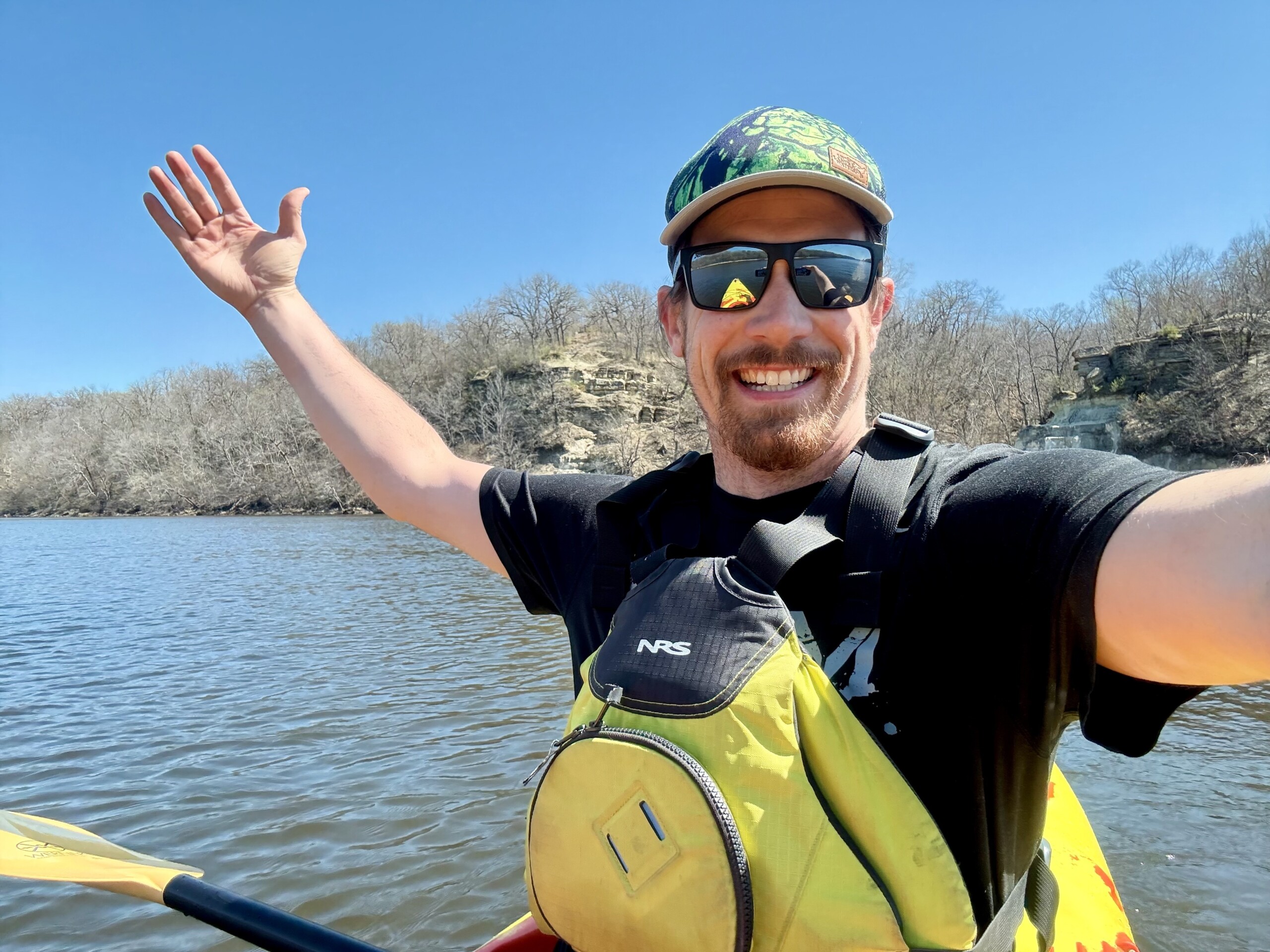
In this episode, I talk with Michael Anderson, the Director of Outreach and Education for One Mississippi, and one of the prime forces making them happen. He describes each event’s unique focus, what events are happening to mark them, why these events are important to the present and future of the River, and what he’s learned from his years working so diligently on issues related to the Mississippi River.
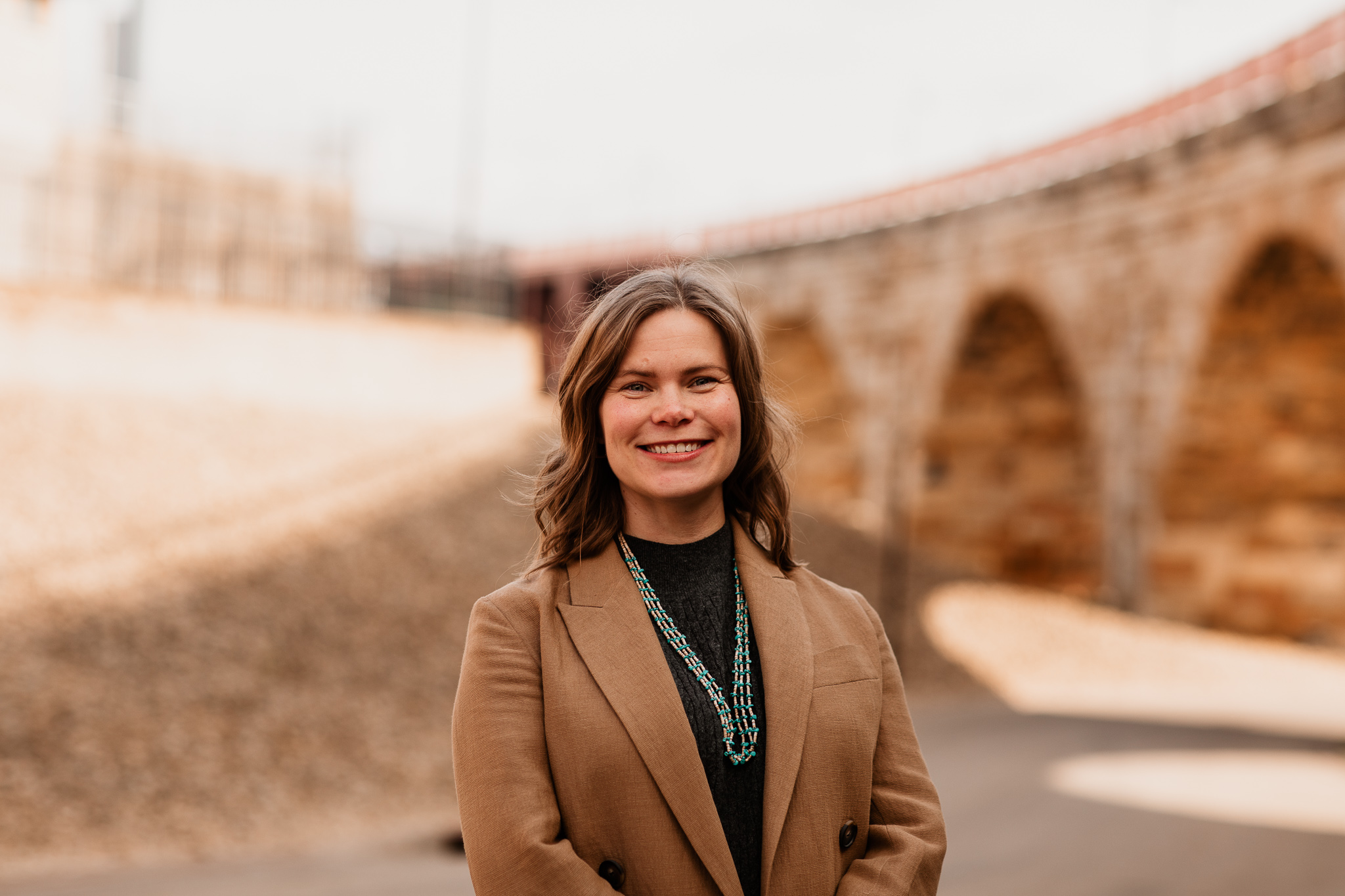
After the discussion with Michael, you’ll hear a couple of other people describe why the Mississippi matters to them and the organizations they are affiliated with, and why they believe carving out time to celebrate the Mississippi and give something back to the river are important. You’ll hear from Amanda Wigen from Owámniyomni Okhódayapi and avid kayaker Perry Whitaker who also volunteers with many river-related groups, including the Mississippi River Water Association.
To find out more about these events and to see the full schedule of events and opportunities to help the river, head to mississippiriver.org.
Show Notes
More about National Mississippi River Day with info on helping with proclamations
Support the Show
If you are enjoying the podcast, please consider showing your support by making a one-time contribution or by supporting as a regular contributor through Patreon. Every dollar you contribute makes it possible for me to continue sharing stories about America’s Greatest River.
Don’t want to deal with Patreon? No worries. You can show some love by buying me a coffee (which I drink a lot of!). Just click on the link below.
Transcript
Sun, May 10, 2026 3:19PM • 58:27
SUMMARY KEYWORDS
National Mississippi River Day, River Days of Action, Mississippi River, water quality, environmental stewardship, community engagement, cultural significance, agricultural runoff, flooding, proclamations, river restoration, Native American history, river cleanups, river events, river conservation.
SPEAKERS
Dean Klinkenberg, Michael Anderson, Perry Whitaker, Amanda Wigen
Michael Anderson 00:00
But it’s a day to give back to the river that made us, right? One Mississippi, we are on a mission to protect, strengthen and restore the Mississippi River, not just for today, but as a vital resource for future generations. And so this day is a key day that raises the profile or raises awareness of the Mississippi River. It’s a day to acknowledge some of the serious threats and and issues and problems that we are experiencing. And so this day emphasizes the urgent need for collective action on behalf of the river.
Dean Klinkenberg 00:55
Welcome to the Mississippi Valley Traveler Podcast. I’m Dean Klinkenberg, and I’ve been exploring the deep history and rich culture of the people and places along America’s greatest river, the Mississippi, since 2007. Join me as I go deep into the characters and places along the river, and occasionally wander into other stories from the Midwest and other rivers. Read the episode show notes and get more information on the Mississippi at MississippiValleyTraveler.com. Let’s get going.
Dean Klinkenberg 01:27
Welcome to Episode 76 of the Mississippi Valley Traveler podcast. Well, the ice has finally melted everywhere, even up north off of Lake Bemidji and Lake Pepin, the river is running free of ice, finally, after a long winter, which means a lot of us are beginning to dream about days and evenings on the river, enjoying sunsets next to the river, cookouts on sandbars, going for a little refreshing swim in the summer heat. Well, there’s no better way to kick off the summer rivertime season then with a couple of events that are just around the corner, River Days of Action and National Mississippi River Day. In this episode, we’re going to talk about both of those, but we’re going to focus mostly on National Mississippi River Day.
Dean Klinkenberg 02:15
For those of you who haven’t been keeping track, River Days of Action will run from June 1st to 15th, and National Mississippi River Day is on June 2nd. For both of these there are events and commemorations happening all along the length of the main stem of the Mississippi from northern Minnesota down to Louisiana. So in this episode, to kick things off, I talked with Michael Anderson, my second Michael Anderson to interview this year about why these events matter, what’s going on, and how we can both celebrate the river while also taking steps to deal with threats facing the river’s health and future. And there are plenty of those. You can find out more about both River Days of Action and National Mississippi River Days at MississippiRiver.org and then, after my discussion with Michael, you’ll hear from two more people who talk about the importance of the river to them and to the organizations they work with. You’ll hear first from Amanda Wigen, from Owámniyomni Okhódayapi and Perry Whitaker, an avid kayaker from St Louis. But I’ll be back with a quick introduction for the two of them after we hear from Michael.
Dean Klinkenberg 03:31
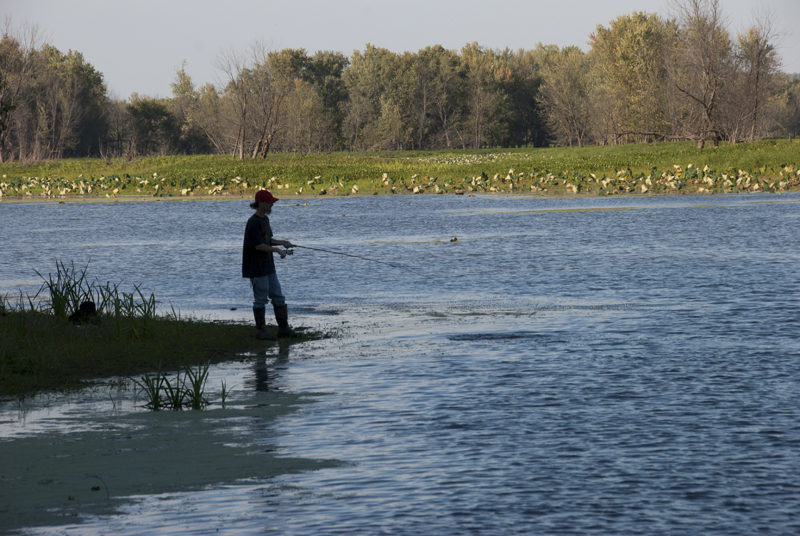
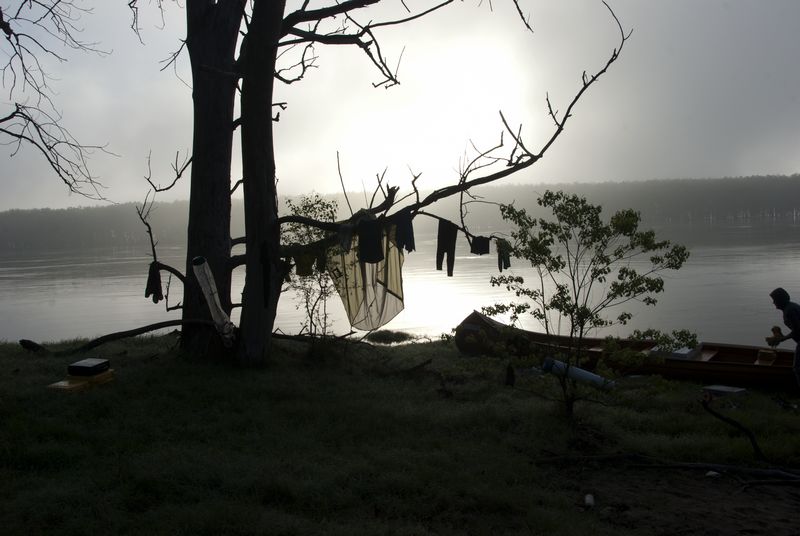
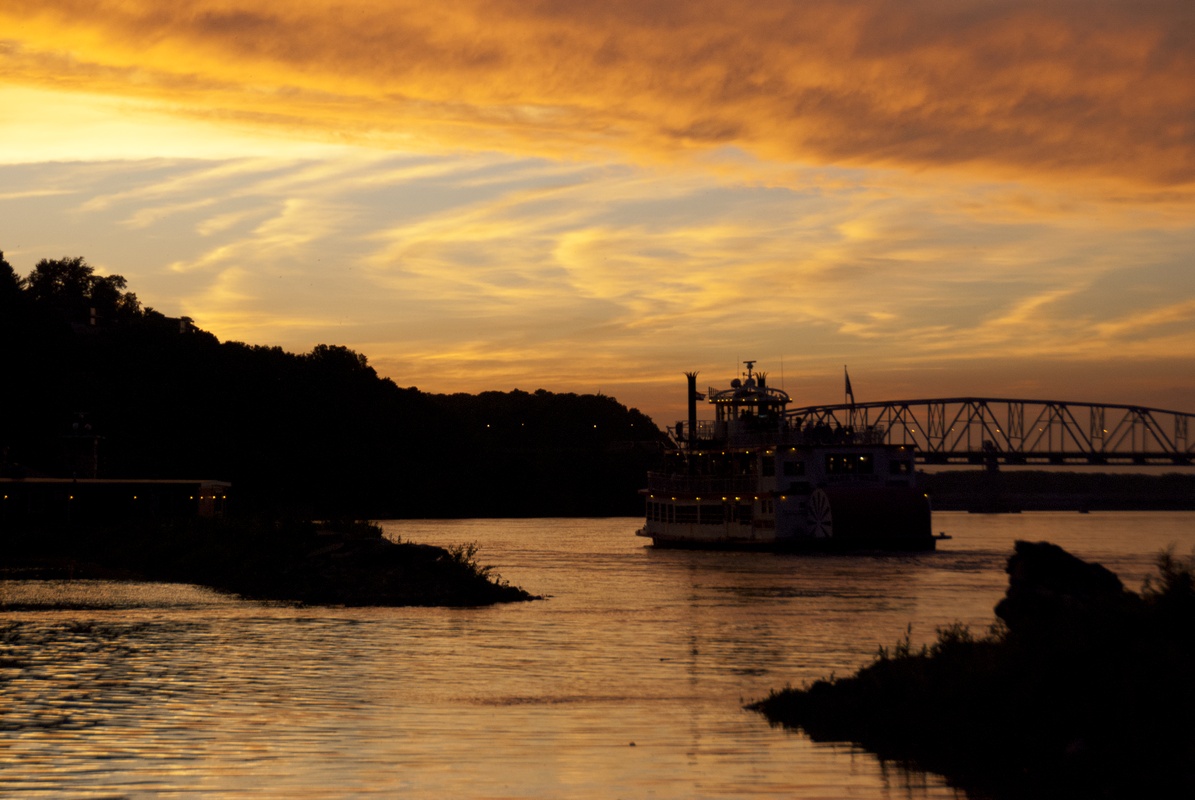
If you want to know more about what’s happening, if you want other links to what’s going along on the river, for River Days of Action, if you want to see some pretty pictures of the river, go to the show notes, which are at MississippiValleyTraveler.com/podcast. At that same link, you will find links to all previous 75 episodes so you can go crazy binging about the Mississippi River to help celebrate National Mississippi River Day and River Days of Action.
Dean Klinkenberg 04:02
Thanks to those of you who continue to show me some love through Patreon. For as little as $1 a month, you can join the community. Go to patreon.com/deanklinkenberg. For that modest contribution, you get early access to each of those episodes and the satisfaction of knowing you are one of the people keeping this podcast alive. Not into Patreon, buy me a cup of coffee. You can go to MississippiValleyTraveler.com/podcast and there you will also find out how to buy me a cup of coffee. All right, let’s get on with the interviews.
Dean Klinkenberg 04:48
Michael Anderson is a lifelong student of the Mississippi and 16 years ago, the river literally saved his life. If you get a chance, ask him how and sit back for an inspiring story and finding solace during a mental health crisis. Michael’s happy place is out in his canoe, and he’s paddled the river from Minnesota to Louisiana while removing over 7000 pounds of trash along the way. As a river guide and educator, he’s connected over 10,000 people with the river through work with outfits including the National Park Service and Wilderness Inquiry. Over the last seven years, Michael has served as the Director of Outreach and Education for One Mississippi where he helps lead a community of 20,000 river citizens and coordinates the 80 member Mississippi River Network. He’s also the driving force behind River Days of Action, happening June 1 through June 15, and the newest annual tradition, National Mississippi River Day on June 2nd. Michael, welcome back to the podcast.
Michael Anderson 05:49
Thank you so much, Dean. It’s good to be back.
Dean Klinkenberg 05:52
Hard to believe this is your third time on the podcast. You are now the current record holder for most appearances. I think so maybe we’ll get you a gold star or something for that.
Michael Anderson 06:03
Oh, well, that’s a fun fact. Thank you so much, Dean. Just send me a book in the mail then I can put it on the shelf and show it to people.
Dean Klinkenberg 06:10
Yes, certainly people named Michael Anderson will be the clear cut winner on all these since I just last week, had a chance to interview it the other Michael Anderson and talk about Lake Pepin. Well, let’s get right into the purpose of this today. We are here to talk about, mostly about National Mississippi River Day, which is coming up on June 2, because it happens every year now on June 2. Tell us why does the Mississippi need its own day?
Michael Anderson 06:39
Yeah, wonderful Dean, well, let me just zoom out for a second here. Okay, because the significance of the Mighty Mississippi is often it’s often not get receiving the credit it deserves. Okay? The as you all know, and I’m sure folks listening to this podcast would would agree with, the Mississippi River is not just a waterway. It is a lifeline. Right? This Mississippi River, it’s in the heart of America, spanning approximately 2350 miles, flowing through or bordering 10 states while draining 32 states in its basin, from the Rocky Mountains in the west to the Appalachia to Appalachia in the east the Mississippi River provides home and habitat for hundreds and hundreds of fish, bird and other wildlife and plant species, and, of course, drinking water for over 20 million people. Throughout time, the river has also been has had extreme cultural significance, right? For 1000s of years, Mississippi has been integral to indigenous communities through through providing sustenance, trade, connection. However, the river faces problems. The river has its issues. Water quality. We have big pollution issues, of course, namely from agriculture runoff that creating these harmful algal blooms, particularly where the Mississippi River drains into the Gulf of Mexico, creating a dead zone. These blooms are these algal blooms are areas where no oxygen remains, causing fish and marine life to either suffocate or have to flee. We are experiencing extreme flooding and drought like never before. In fact, we’re just a few years from the 2019 flood, which was the longest flood in recorded history of the Mississippi River, running from late December of 2018 well into April of 2019 and it ended up having over a billion dollar economic impact to our communities up and down, up and down the Mississippi. But solutions exist, Dean, as you well know, solutions exist, and so the National Mississippi River Day is one of our newest ideas, and now has become a cemented tradition for the Mighty Mississippi, and I’m looking forward to sharing more about that today.
Dean Klinkenberg 09:06
Fantastic. So So tell us a little bit about what to expect from this day. Then, what are some of the things that are going on to mark the the river’s special day?
Michael Anderson 09:17
Yeah, thanks, Dean. So launched in 2025 just last year, National Mississippi River Day is celebrated now annually on June 2. This day invites communities to come together to honor this vital waterway and its significance to our nation, right? It’s a day to recognize the river’s cultural, economic and ecological importance. It’s a day to foster community engagement and environmental stewardship. In a few minutes here, I’ll share ways that people can get involved in every and things that people can do on June 2 and throughout their day to day life to make a difference. But it’s a day to give back to the river that made us, right? One Mississippi, we are on a mission to protect, strengthen and restore the Mississippi River, not just for today, but as a vital resource for future generations. And so this day is a key day that raises the profile or raises awareness of the Mississippi River. It’s a day to acknowledge some of the serious threats and and issues and problems that we are experiencing. I mentioned a couple of them, but as well as water quality standpoint and impacts to our communities, and so this day emphasizes the urgent need for collective action on behalf of the river, and we have a couple neat tactics that we’ve been deploying as part of, as part of this new initiative.
Dean Klinkenberg 10:44
Do tell.
Michael Anderson 10:47
All right, thanks, Dean. Well, you know, at a time where division seems to be ever present in our day to day lives, this day is about finding common ground or common water, if you will. Okay. It’s about protecting clean water. It’s about celebrating the river that unites us as individuals and communities across diverse backgrounds. It’s a day to turn back toward each other and toward what we have in common around our shared values. We all, of course, need clean water. We know the significance that this river provides, in that sense, with over 20 million people getting their drinking water, and so it’s strategically placed on June 2 as well, because it kicks off two weeks of events and opportunities called River Days of Action. This is a program that One Mississippi delivers in coordination with our 80 plus organization, Mississippi River Network members of which, Dean, the Mississippi Valley traveler, you yourself are very engaged member, I might add. And so we work together right this, this River Days of Action framework provides an opportunity for us to work together, from headwaters to gulf through a series of hands on restoration events, recreation events, educational opportunities, online captivating webinars, as well as more in person opportunities to take action and make a difference. I will just add that over the past six years that River Days has been in effect, we’ve brought together more than 8,000 people at nearly 200 events hosted by approximately 250 partner organizations. And so it just showcases the real need and appetite that people have to work together to make a difference. And we couldn’t be more thrilled with this centerpiece that is now National Mississippi River Day on June 2nd, which again kicks off these two weeks of River Days of Action.
Dean Klinkenberg 12:53
So give us some idea of the different kinds of activities. I know, like the National Mississippi River Day is important in and of to itself, and we’ll come back to that in just a minute. But in these past few years, the variety of activities that have happened during this whole period of time, these couple of weeks, is pretty impressive. Can you just give a sense of some of the highlights, maybe a little bit from previous years, but also what we know is going to be happening for this year, for those first couple of weeks in June?
Michael Anderson 13:21
Yeah, absolutely. So things that have occurred in previous years again as part of these nearly 200 events. I mean, we’ve had everything from farm tours right taking out in particular elected officials to farm tours so they can see the the impact that sustainable or regenerative agricultural practices, what they look like in the field, how they are improving water quality. Because, of course, let’s just remind everyone what happens on the land is what ends up in the river, what’s what ends up in our waterways. And so as I mentioned earlier, agricultural runoff, urban runoff, these, these, these different types of pollutions running off the land, goes into our water, ultimately ends up in the Mississippi. So having these farm tours has been really instrumental. We’ve had a lot of online webinars that I’ll just uplift for a moment here, because I think they’ve been really interesting. Everything from environmental justice focused panels. We’ve had folks from the upper, middle and lower river coming together to talk about environmental justice specific issues that they’re facing in their communities. We’ve talked about legislative solutions, right? We’ve had some great panels, I think of some of our Gulf Coast members talking about sort of the lay of the land in Louisiana, and the different issues and solutions that they are really working on from a legislative standpoint. We’ve held a in person town hall focused on Mississippi River issues and solutions we have every year recreation events, people taking out canoes and kayaks. Often the National Park Service gets involved up here in Minnesota, providing accessible paddling opportunities for folks to get out on the river. We’ve had plant walks with Dakota Native American leaders here in Minnesota and as well as other parts of the river. Oh, what else? I could just keep going and going, pretty much, if there is an opportunity that’s related to making a difference for the people, land, water and wildlife of the Mississippi River, it can end up in River Days of Action.
Dean Klinkenberg 15:36
Absolutely. And I know, like, off the top of my head this, these aren’t all necessarily time for River Days of Action. But I know in St Paul the Wakáŋ Tipi Center, the brand new center, Bruce Vento / Wakáŋ Tipi Centerwalk, that is a beautiful area restoration in progress, but they have a brand new visitor center that’s opening up at the end of May, close to River Days of Action. I know down here in St Louis, the Mississippi River Water Trail is partnering with the St Louis Aquarium to get some people out for a paddle. Down in New Orleans at the Hip Hop Caucus and other there must be some events in New Orleans going on as well. So it’s amazing to me how we have gotten to a point where, for these couple of weeks of time, we can concentrate activity along the entire length of the river. So if you’re if you’re living in Memphis or New Orleans or the Quad Cities or someplace, where should they go to find out of what events are happening in their area?
Michael Anderson 16:38
Yeah, wonderful. Thank you so much, Dean. Thanks for adding some more like good examples as well of where, where this program has been. Go to MississippiRiver.org. You’ll have a pop up that is River Days of Action and National Mississippi River Day. Click that. It’ll bring you right to the events calendar. We already have 10 events on there. This is we’re still a couple months out. The deadline for event submission is coming up here. So do expect by the time folks are listening to this episode that that events calendar will be completely full. And I’ll just share a quick story, because it’s getting to the point where I receive random emails, like, literally, one I just received last week was from someone that is planning a road trip from Minneapolis to St Louis during the beginning of June, and they’ve heard about river days of action, and they’re like, Okay, tell me the key events that are happening along the way. I’m literally going to make my road trip to coincide and stop and attend as many events as possible, and so.
Dean Klinkenberg 17:42
Awesome.
Michael Anderson 17:42
You know, stories like that just really bring show how this is, this is coming to life and rooting down in our communities and having the impact that that we all seek.
Dean Klinkenberg 17:51
So I guess I probably should emphasize too, like you don’t have to go to a specific event to do something for the river or to show your appreciation for the river. Folks are certainly welcome do anything on their own as well, if they just want to stop by and say hi to the river, pay tribute, you know, or if they want to go out on the river for a paddle on their own or hike somewhere next to the river, of course, please feel free to do so. You don’t need a group of people to do that, to celebrate that with you. And so what about back to the National Mississippi River Day in particular, you do have a couple of very specific things happening for that day, so tell us about that.
Michael Anderson 18:31
Yeah, that’s right. So one way that we are continuing to establish and grow the momentum for National Mississippi River Day is by having governing bodies issue proclamations or resolutions declaring June 2nd as National Mississippi River Day for their community. And so last year again was the inaugural year of National Mississippi River Day, and we had a goal. We’re like, okay, if we could get one proclamation passed in like one city, one town on the river, then it’s that’d be a success. Well, Dean, as you well know, we ended up with 15 in its inaugural year that included four states, Minnesota, Illinois, Wisconsin and Missouri, your home state, of course, all did make declarations or proclamations for National Mississippi River Day, and we just saw that and that response of like, okay, this is this is going to catch. This is really taking, taking has the opportunity to just take off like wildfire. So this year we’re aiming even higher. We are doubling, not even doubling our goal, because it’s a huge from last year of just one. We are aiming for 30 this year, 30 proclamations in cities, towns and states along the Mississippi River or in its basin, and in particular this year. We are focused on passing proclamations in all 10 of the main stem states of the Mississippi River. Pop quiz to your to everyone listening today. Pause this episode and in your head say out loud, or just say the 10 states if you know them. Write them down, if not, look them up, or go to MississippiRiver.org to find out. And so, yeah, we’re really it’s ambitious this year. We think we can move in that direction and reach this goal. And this is only possible if people get on board. Okay, because communities really need to own this, right? This really needs to be a thing that we rally around and we let grow from year to year. So, for example, Earth Day, I believe, was last year, the year before, celebrated its 50th anniversary of having having Earth Days. Well, Dean, what could this? What could National Mississippi River day look like in 50 years from now?
Dean Klinkenberg 21:06
Right.
Michael Anderson 21:07
And so let’s, let’s, we’re going to keep building that year after year. And yeah, toward the end of our program here today, I’ll share some more ways that folks can can participate. But the proclamation piece has been really vital of growing this day and also decentralizing the movement, right? If one organization, say, One Mississippi, you know, wanted to declare this, and you know this National Mississippi River Day and make it happen, it’s only going to get so far. And the reality is that this needs to be a decentralized, grassroots movement to grow this and proclamations are a great way that municipalities, meaning cities, towns and counties as well as states, and working with tribal governments and the federal government as well to issue these proclamations, because when we when those are issued, it signals that it’s a priority for that governing body, right? They say the river is important to our community. We understand the issues it’s facing. We reaffirm our commitments to working together to make it make make a difference.
Dean Klinkenberg 22:14
As we like to say, It elevates the visibility of the river. It emphasizes how much it matters, rather than taking it for granted. You took the words out of my mouth there, because one of the things I was just thinking as you were talking, as part of what I like about this, this day in particular, but also all River Days of Action, is that there’s not one organization telling everybody how to celebrate. It’s up to individual communities to decide what makes most sense for you to mark this day to you know what, how you want to show your appreciation, you know, the river might mean something different to you down in New Orleans than it does in Minneapolis, and that’s fine. So the celebrations or the events are going to look different. And I really like that, that there’s not this puppet master directing the show, so thanks for that, and thanks for emphasizing that decentralized and people centric approach to this. I’m kind of mindful of the time we were kind of setting a time limit for ourselves because we’ve got other people we’ll be talking to as well for this episode. I’m just kind of curious now you’ve been with One Mississippi for over seven years, and I’m curious in this time, how has your relationship with the river changed, or your perceptions of the river changed during those seven years of working so closely on river related issues?
Michael Anderson 23:39
Whew, yeah, that is a question that definitely warrants a lot of journaling and reflection, but yeah, Dean, really good question. Thank you. I think that a key piece is what you just shared right before, when talking about the decentralized approach and just really how different all of these different places are, yes, we’re connected by this river, right, this lifeline of the nation, this, this blue and brown ribbon running through the center of the country, connecting, you know, the East and the West. But it would be very silly kind of to your point, to think that it’s exactly the same in New Orleans as is in St Louis, as is Minneapolis, as it is in the rural setting, in the urban setting, like the it’s very important. Something I’ve learned in this work is that these regional differences matter, and the way that communities and individuals connect with the river matter, and they are important. And it’s really, I think, just to broaden it way out, just in the field of conservation, it’s really vital at this moment, and as we move into the future, to be much more welcoming in our movement, to really realize that there are different issues that matter most to people, and even as environmentalists, part of our job, you know, if someone’s more concerned with housing, like a housing crisis, or, you know, lead pipes, or, I don’t know, these different, these different things, where does the where does water, and where does the river intersect with that? Because it does, because these things aren’t in isolation. Issues that our communities are facing are issues that the river is facing, and vice versa. And so that’s something I just continue to learn about in this work, and no doubt we’ll have a lot more to learn. And just thrilled to have the opportunity to keep keep meeting people and keep learning and growing.
Dean Klinkenberg 25:42
Fantastic. Well, we need a lot more Michael Anderson’s to help keep bending the curve and in bringing the health of the river back up to where we’d like to we would all like to see it. So thank you for all that. Before we wrap up, any last things you want to say about the National Mississippi River Day or River Days of Action. I will post links in the show notes to One Mississippi site for those events so people can look up what’s going on there. But any final thoughts,
Michael Anderson 26:09
Well, I wouldn’t be a good Director of Outreach if I didn’t leave everyone with a call to action. Okay? And so I want to leave folks with some key ways that they can get involved with River Days of Action, June 1 through June 15, as well as the centerpiece that is National Mississippi River Day on June 2. And spoiler, a lot of these things I’m about to say you can do year round, okay, but join in during this concerted time period, because our collective our collective action really makes a difference. So first and foremost, I’ve already mentioned this, participate in River Days of Action events. We have them online and in person. That these events inspire action for the river, from cleanups to educational webinars. MississippiRiver.org, River Days of Action is going to be your spot to find those events. Number two, I talked about passing proclamations. That opportunity this year is now available to anyone. Okay, so go to the website, find my contact. Dean can put in the show notes, email, email me to get involved. Okay, we have the proclamation submission guide we’ve put together, as well as a template proclamation. And I promise you, it is so much easier than I would have ever imagined, and it just takes a short bit of time, really, to take this action, and now just a few other ways that folks can get involved and make a difference. On June 2nd, we really believe in an all angles approach to conservation in which no effort is too small or too simple. And the first one I want to share here is what you said, Dean, about connecting with the river, right? We know that people take action and care about what, what they what they know, right? And so if you are building a relationship with the Mississippi, whether that be through visiting it, walking along it, bird watching, reading Dean’s, reading Mississippi Valley Traveler books about it, and the travel guides and the Frank Dodge, you know, mystery series. All of these are different ways to really understand the impact that the Mississippi River has in our lives and in our culture and in our society. It’s, it’s, it cannot be understated the the role that it plays. So there’s so many ways to connect with the river, more than you might just think, more than just like, let’s go down to go down to the banks and go for a walk. That, of course, is wonderful, but there are so many ways to build that relationship. A couple other quick ones. We’ve talked about water quality today. Some great ways that you can help with that. Is cutting back on lawn and garden fertilizers. I know if you are going to use them like this, is not a shame thing. Do your research about applying the right amount at the right time. It’ll benefit whatever you’re trying to grow, as well as our water quality. This goes hand in hand with planting native species. A lot of native plants actually have much deeper roots, which are vital for water filtration and purifying the water and reducing flooding and droughts, as we’ve talked about. Keep the river clean by cleaning up trash in your neighborhood. Yes, go down to the riverbanks, of course, whether that’s the Mississippi or your local tributary, local stream, whatever it may be, get out there. Pick up trash. This is a great way to help, and I think I’ll leave it there for now, Dean. Yeah, those are some great ways that folks can just make a difference in their day to day life, as well as specific things to do on June 2nd, National Mississippi River Day.
Dean Klinkenberg 29:45
Thank you very much. Michael, great ideas. People can have some practical, easy steps they can take for themselves and their own lives that will make a difference. I love those tips. Well, always delight. Michael, great to see you. Thanks for coming and sharing the word about what’s coming up this summer for National Mississippi River Day and River Days of Action.
Michael Anderson 30:08
Thank you so much, Dean.
Dean Klinkenberg 30:11
Hey. Dean Klinkenberg here, interrupting myself, just wanted to remind you that if you’d like to know more about the Mississippi River, check out my books, I write the Mississippi Valley Traveler guide books for people who want to get to know the Mississippi better. I also write the Frank Dodge mystery series that is set in places along the Mississippi. My newest book, The Wild Mississippi, goes deep into the world of Old Man River learn about the varied and complex ecosystems supported by the Mississippi, the plant and animal life that depends on them, and where you can go to experience it all. Find any of these wherever books are sold.
Dean Klinkenberg 30:51
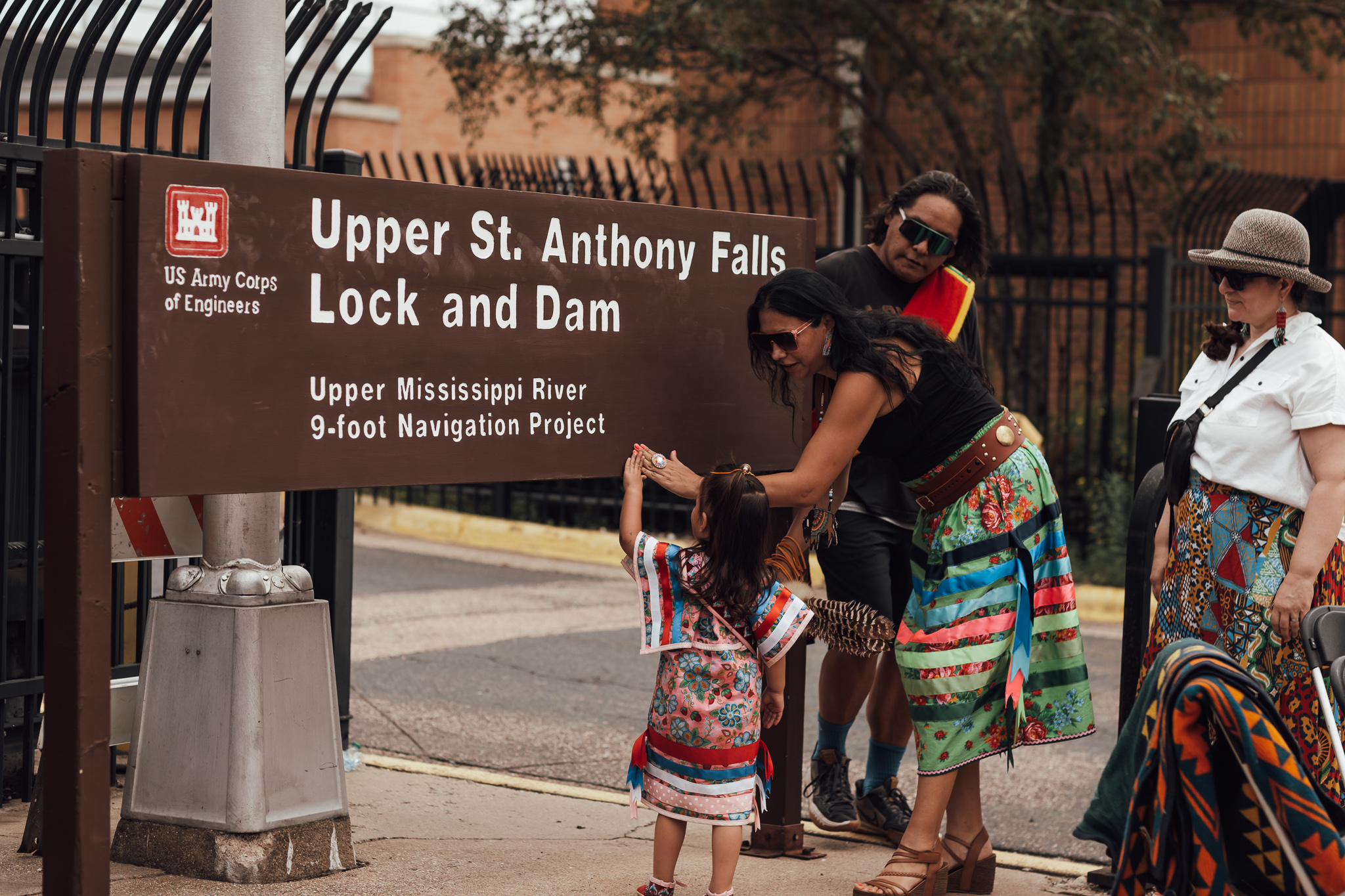
All right, as I said, Now you get to hear from two other people about National Mississippi River Day and why it matters to them. I have clipped out the questions that I ask so you will hear from these two people without me interrupting them. First up is Amanda Wigen, who leads communications, public relations and storytelling efforts at Owámniyomni Okhódayapi, changing the narrative about Dakota history and living culture in Minnesota in the process. She brings extensive experience in nonprofit management, strategic planning, program development, brand building and fundraising. She’s also a board member of the Mississippi Park connection, a nonprofit partner to the National Park Service. Owámniyomni Okhódayapi is transforming Minneapolis, most iconic riverfront location, St. Anthony Falls from a desecrated industrial site into a living monument that says, “This is Dakota land”. The Owámniyomni Okhódayapi project will restore native plantings, uplift Dakota land management and cultural practices and rebuild connections to the water. Perry Whitaker is an avid kayaker who lives in St Louis and is active in many river themed or river adjacent organizations, including the Mississippi River Water Trail Association. Every summer, he leads a group of scouts on a paddling trip down the Mississippi River from St Louis to Cape Girardeau, where they cover a lot of history and ecology along the way. Like I said, you won’t hear again from me. So enjoy hearing these two folks talk about what the Mississippi and National Mississippi River Day means to them.
Amanda Wigen 32:36
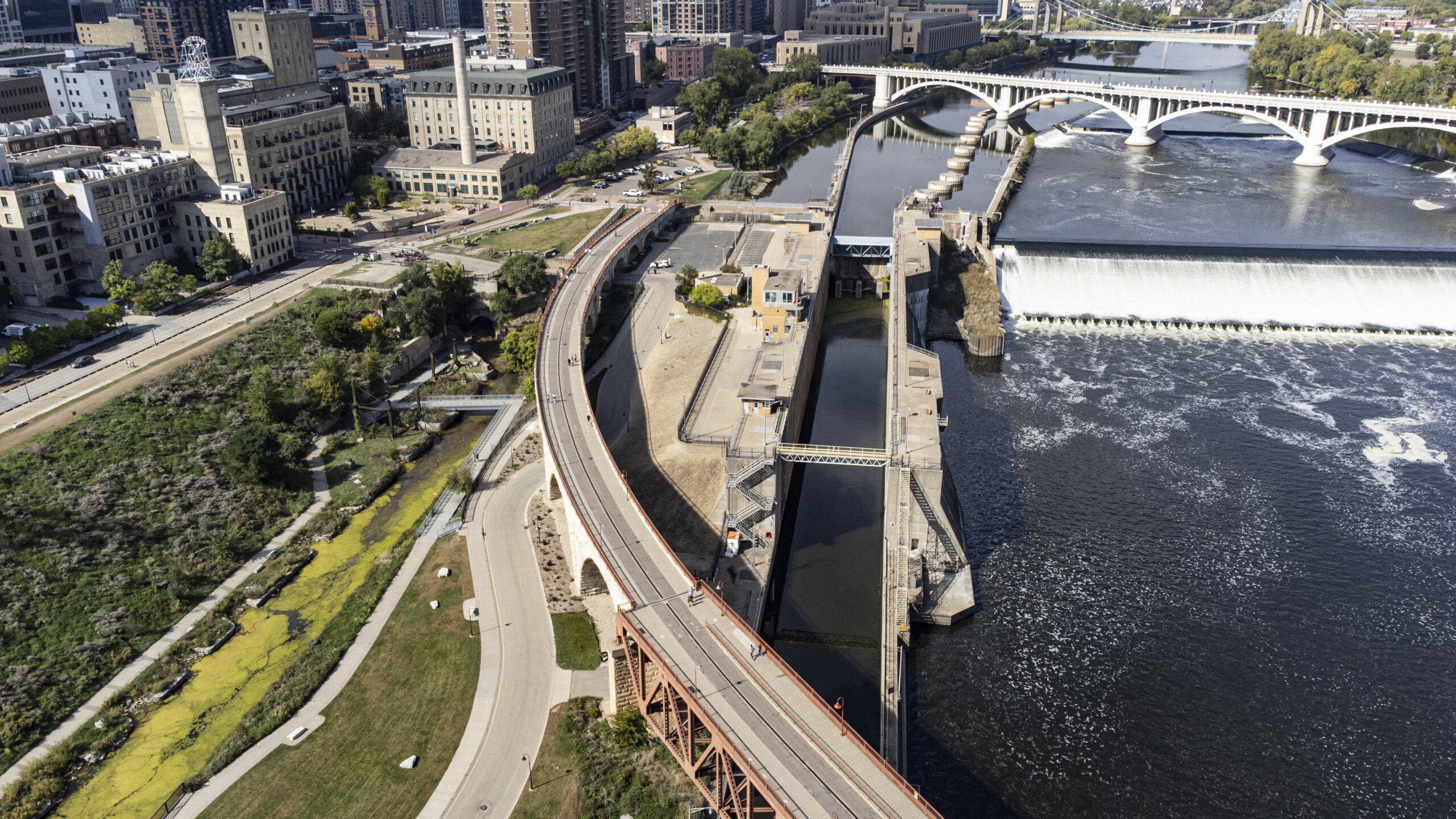
So I’m Amanda Wigen. I’m communications director and non native staff for Owámniyomni Okhódayapi, so I work quite a bit with our programming team, but also our project team to be able to communicate with our stakeholders about how the project is developing, and get their input and really understand how people can connect to the river in a different way, and how we can help make Dakota people more connected to the river in particular. Owámniyomni, the falls here is the largest elevation drop on the entire length of the Mississippi. It’s about 50 feet high, and the original falls would have been about 1250 feet wide. It’s now about a third of that size, and has really been narrowed and engineered through the lock and dam process, and also some of the tunneling and damage that happened during industrialization. The falls was also is also a living being, and moved and evolved and changed through time and over, you know, 1000s of years move from what is now St Paul to its current location in downtown Minneapolis. The concrete apron there is holding her in place now, but she’s looking to move. She’s looking to flow where she wants to flow, and that’s part of what we’re trying to respect in our design is that some things can be prescriptive, but really we need to let the water speak for itself and go where it wants to go.
Amanda Wigen 34:11
Well, we talk about restoring a story disrupted, but really, I think the vision is to bring back some of the energy and love that really was into the river before colonization and industrialization. We are doing environmental and cultural restoration at the site. So there’s certainly a planting element, a landscape element, but there’s also a real cultural component about how people care for and maintain the land and connect with each other. And that’s where I think the love piece comes in. It’s it’s not necessarily about the visual change of the site, but how we are interacting with each other and our other relatives.
Amanda Wigen 34:53
My understanding through oral history and connecting through others is it was really a gathering place. For many tribes, a place of trade, but also a place of power. The falls itself just a very powerful being. The water, certainly the lifeblood for Dakota people coming from the waters here in Minnesota. And I think what we recognize is colonizers, industrializers saw that power too, but through a very different lens, and unfortunately, were looking to extract that power for their own benefit. So we think a lot about the language and what those words mean from a Dakota perspective and from a more traditional western perspective.
Amanda Wigen 35:43
Well, our site in particular is located next to the upper lock. This is a lock that is no longer used for commercial navigation, and so there’s quite a bit of excess property that’s owned by the federal government. In general terms, it’s a parking lot, it’s a lot of concrete and stone, it’s a lot of fencing and brick. And so part of what we’re trying to do is remove that layer that’s been put on top of the land, but to also think about what was there before. And in our case, the location of the lock would have been an island. And so one of the key changes we’re trying to make is to have water flow again between the shoreline and that piece of land, and to a certain extent, recreate the feeling of the waterfall there. There is a piece of the original escarpment. And so we’re able to kind of reconnect the water and get a sense of what that would have felt like. It’ll be about a 25 foot drop, not a 50 foot drop, but we do expect you’ll be able to hear the water and hear kind of the rumbling, tumbling sound that that the original falls would have had.
Amanda Wigen 36:57
Located between here in Minneapolis, what we call Water Works Park and Mill Ruins Park, but it’s really just steps from the downtown, just near the location of the stone arch bridge. So it’s incredibly highly trafficked area for the Twin Cities. It’s a big visitor location. As a as an out of towner, you may see it in the pan over when they do sports scenes and news and those sorts of things. So this is not only a key site for the City of Minneapolis, but it’s this key site for Dakota people. And in that sense, that kind of the confluence of those two things makes it incredibly visible and incredibly powerful to connect with both audiences, native and non native alike.
Amanda Wigen 37:45
We are in our 10th year, celebrating our 10th Anniversary. But you’re right. It has been a very long time coming and a lot of evolution. We were actually founded, the nonprofit, as the Saint Anthony Falls Lock and Dam Conservancy. And I like to mention that because I think it shows really the mindset of the organization. At the time we were thinking about the lock, we were thinking about how we could repurpose that space, and we are thinking about the structure itself. Over time the organization. I’ll keep showing the names, because I think it helps. But we transition to Friends of the Lock and Dam, and then Friends of the Falls, really recognizing our attention needed to be on the water. What does the river need? How can we really nurture her? And finally, in 2023 our name changed to Owámniyomni Okhódayapi, and that was under our new leadership, Shelly Buck. She’s a Prairie Island tribal member, also a former president of Prairie Island. But recognizing that we need to lead with Dakota language to Dakota place, and it needs to be recognized as such in our own vernacular.
Amanda Wigen 38:56
It translates to “friends of the falls.” So Owámniyomni is really a name for the area, not necessarily the falls itself, and Okhódaya iis to befriend or be friendly. And so it’s still very much the spirit of the organization. But embedded in it is the fact that organization is Dakota lead. Our board is over 50% Dakota representatives. Our president is Dakota, and that voice really comes first in all the work that we do.
Amanda Wigen 39:30
There are a number of people providing input for the project, not only community members, but we also have civic partners who are involved as well. City of Minneapolis. Minneapolis Park and Recreation Board are key players and how we were able to transition the land from the federal government to our own ownership, which will really complete at the end of this year. But it is, it’s it’s a project for everyone. I think the the thought that we can all have a better relationship with the land is something that it’s not solely a Dakota thought. And one of my colleagues says, “When Dakota eat, everybody eat.” So it’s it’s the goal is to broaden the table and just really bring the voices that have been silenced in a race to the fore.
Amanda Wigen 40:16
First and foremost, we’re working with the federal government. So even the idea of a land transfer required an act of Congress. There’s years of work to really bring all the stakeholders along at every level of government to be able to do that. Another challenge is, no, I think we and many others want this to be a land back project. We want this to represent the Dakota people, the Dakota tribes. We presented that to the four Dakota Nations in Minnesota, and they weren’t ready to accept ownership. They said, it’s not our job to restore stolen land. So we needed to find a solution that really gave them the voice and the power, but where there was no financial liability, there’s no legal liability, and we still met all the requirements of the City and the Army Corps. So Owámniyomni Okhódayapi, this nonprofit structure, has really stepped in as a bridge to accept that liability, to restore the land and bring it back to this healthy place and give the tribes that choice again. Would they like to own it at that point? But that in itself, is developing that structure, developing the trust between all of those parties to be able to move forward has been a challenge, but also one of the greatest successes of the project.
Amanda Wigen 41:41
Well, it’s interesting. I So, I grew up on the Mississippi, but a little further north, I was born in Monticello, and there, you know, the falls are not present. The river is very silent, very quiet, very still, and also very accessible. I mean, here in the Upper Mississippi, you can wade in. It’s very safe to certain extent, I guess, depending where you are. But we spent a lot of time in the river, and I take for granted how how rare that is in our state and throughout the entire length of the river. So when I think of a special place, I do tend to think of home more than downtown, but I think that’s just a lot of years there and a lot of time spent in the water.
Amanda Wigen 42:30
Looking ahead into the future, one of the main goals is that if you really interconnected with relatives, again, both human relatives, plant relatives, right now, it feels very isolated, particularly in our area, and as you said, cut off from from access. And so taking that wall down and making things more permeable and connected to the water, I think, is where I would like to see things. For our site in particular, maybe that means the physical lock has gone away. The dam itself probably cannot be removed, but there are things we could do to make the lock less invasive. I think there’s also an understanding that there isn’t a set vision of what it will look like, because there are too many factors in between. You know, a lower lock could be removed. There’s climate change, there’s flooding, there are all these factors. And so even our project, can I tell you what it will look like in 10 years or 20 years or 30 years? No, but as long as we’re developing that relationship in tandem, then I think there’s a comfort there that we’re moving in the right direction.
Amanda Wigen 43:39
Correct. We’ve really established different tactics for integrating Dakota voices and challenging kind of our bureaucratic Western process, and for community engagement, in particular, for design, and now we’re really working on how to integrate that into our maintenance principles. A key part of that is who’s doing the work. So we need to do trash pickup, we need to do snow removal, we need to do weeding, we need to do planting. And some of that makes sense to work with an outside contractor. But when we really want to get our hands in the dirt, we want to, we say, building a relationship with the land. It needs to be Dakota people touching Dakota land. And so we’re training staff in house. We’re working with volunteers. We’re hoping to bring in a lot of tribal members to help do that work. And so it’s it’s a different structure, it has different costs. There are a lot of different logistics involved that a normal park system or a normal land manager would approach in a different way. First and foremost, go see the water. Go touch the water. And I think, thank her. That’s that has really been a change in perspective since I’ve been working with the Owámniyomni Okhódayapi under its Dakota leadership is is giving the river. Personhood, acknowledging that she has a life of her own. So getting out, you know, recreating on the river is one thing, but really doing it together. How, what does the river get from my experience, and what do I get from the river’s experience? I think is a an important perspective for people to take on National Mississippi River Day.
Amanda Wigen 45:08
First and foremost, go see the water. Go touch the water. And I think, thank her. That’s that has really been a change in perspective since I’ve been working with the Owámniyomni Okhódayapi under its Dakota leadership is is giving the river personhood, acknowledging that she has a life of her own. So getting out, you know, recreating on the river is one thing, but really doing it together. How, what does the river get from my experience, and what do I get from the river’s experience? I think is a an important perspective for people to take on National Mississippi River Day.
Perry Whitaker 45:27
I’m Perry Whitaker, and I’m a kayaker. I’ve paddled the whole Mississippi, most of it multiple times. I’ve through paddled a few other rivers as well. I serve on a few outdoor related nonprofit boards, most related to rivers. And I just love being out there and introducing other people to this incredible resource. I think most people get started packing on the big river by packing on smaller rivers. I didn’t do that. Friend one day. Just said, “Hey, Perry, do you want to go kayaking?” I said, “Yes, sure.” And yeah, we started on the Mississippi, and then I found out about paddling on all these other rivers, and I just never looked back. It’s just been my favorite ever since I started there.
Perry Whitaker 46:24
About five or six times a year I take Scout troops on a multi day trip down the Mississippi, St Louis to Cape Girardeau, usually four days, three nights. We have done it faster than that, camping out on islands. There’s like 40 islands between St Louis and Cape, and we just plant our flag on any of them. Some of those islands are these big, beautiful sandy beaches that seem tropical in nature, and others are mosquito infested hell holes. And after I’ve made the trip a few times, I figured out which is which and basically it’s just a few days of of the kids learning about Native Americans and steamboats and early explorers. And I think a lot of times it’s the parents that want to go on this trip. And then my challenge is make sure the kids enjoy it, whether they want to or not.
Perry Whitaker 47:23
I was doing the trip by myself, and every time I went on that trip, I would learn something. And one day, I was just talking to a scout troop. It was a first aid class for a scout troop, and I mentioned that I did that, and one of the parents said, you should take us and, yeah, it kind of went downhill from there.
Perry Whitaker 47:45
A vast majority of the kids will find Native American artifacts, projectile points, arrowheads atlatl points. We’ll find fossils. I found a mastodon tooth out there, and when the river’s low, there’s steamboat wrecks along the Mississippi, 150 year old, 100, 150 year old steamboat wrecks. And it’s just an opportunity for the kids to really touch history. And one of the islands we camp out on is Hanging Dog Island. And it’s actually where the Cherokees, I don’t want to call it camped. It’s where they were as they’re waiting to cross the river during the Trail of Tears. And so we sit around the campfire and we tell that story. I think a lot of times the kids don’t fully appreciate this trip while we’re doing it, but my thought is, at some point they’ll be sitting in a college class and somebody will mention Trail of Tears, and that light’s going to come on, or they’re going to talk about this steamboat era, and the kids are going to remember that one steamboat they touched. And that’s that’s kind of my goal with it, is it’s kind of a slow burn teaching method.
Perry Whitaker 49:16
At some points, I’ll just get them to huddle up as we’re floating down the river, and I’ll just talk as we float, and other times we’ll pull over an island and we’ll search for arrowheads, or we’ll pull over to a steamboat wreck. When the river is low, and after I’ve done after I had done the trip a few times, I knew where all those places were, so it kind of put itself together for me.
Perry Whitaker 49:54
I’ve had absolute beginners out there. If. If they want to be there, they’ll enjoy it. If they don’t want to be there, then I still try to make them enjoy it. You know, there’s always that one kid that is kind of difficult to reach, but no experience really is necessary. The river does most of the work. I mean, it’s a long day, but the river does most of the work, and we just, they just need to control their kayaks. I see a lot of light bulbs above people’s heads. I mean, obviously not real light bulbs. But you know what I mean when we talk about some of the early explorers they had to learn about in school, and we say, Yeah, well, this is where Marquette and Jolliet stopped, and this is where Lewis and Clark stopped as they’re going to the Missouri River, and the kids will make that connection a lot of times. And sometimes when we there’s like, one steamboat wreck in particular I like to talk about, and it’s this, the Stonewall. And the kids really it seems like they really have a connection with that particular wreck, because the people who died on that steamboat wreck were buried right there by the river. So we, we have that whole conversation.
Perry Whitaker 51:39
I think a lot of times it’s the same impressions that everybody get. You know, we we’ve, we’ve lost our connection with this river. If you ask people about the Mississippi River, they’re going to say, well, there’s this bridge and then there’s that bridge, and they won’t make the connection. It’s this river is why St Louis is here, and that river is why Memphis is where it is. They tend to separate the historical Mississippi and the current Mississippi. And as I take kids or adults down there, I think a lot of times they start to make that connection that this is the Mississippi and it’s not two separate entities. Most of the scouts, and actually, I guess all of the scouts who go on this trip, they have experience with backpacking or car camping, and so camping, in and of itself, isn’t a new thing for them. And I, camping from a kayak or canoe is easier than backpacking. You know, the rivers carrying your weight for you and and I think it’s, it’s simpler than than backpacking.
Perry Whitaker 53:00
Well, earlier I mentioned Hanging Dog Island, and for me, that’s like one of my favorite places. It’s just because the history surrounding it, and I can’t find out how the island got its name, but that was my initial attraction to it. That’s such a cool name. I want to camp out there. But then I learned, well, yeah, this is where the Trail of Tears, this is where they camped as they were waiting to cross the river in the winter after they lost everything. And just, it’s very humbling, you know, to to sit there, and as a direct result of me camping there, I I hiked the northern route of the Trail of Tears, from eastern Tennessee down into Oklahoma. It’s like 800 miles. And the prime mover behind that was camping out on that island. And so I like that place a lot. And then Kaskaskia, where the Kaskaskia River runs into the Mississippi, the first capital of Illinois, was right there. It’s gone now, but my great, great, great, great grandfather served in the first Illinois House of Representatives there in Kaskaskia. I didn’t find that out until after I’d been there a few times. And you know, the the village of Kaskaskia, the fort there at Kaskaskia, and just a little bit upstream of their Fort de Chartres, I’m just, I’m just blown away about that history that I’d read about for so long, and it’s right here. I’m just, yeah, I just love it.
Perry Whitaker 55:02
So it might be hard for a lot of people to grasp this, but the river is in so much better shape than it was just a few decades ago. It’s cleaner now than it was, and I hope that trajectory continues. Rivers aren’t catching on fire like they did just a few decades ago. Yeah, there’s still way too much trash out there. And I’m river I’m at river cleanups all the time. Basically 31 states drain into the Mississippi River. And what that means is that if someone in one of those 31 states, if they throw a plastic bottle into the ditch behind their house, that that bottle floats down that ditch into a creek, into a bigger creek, into a river, and it ends up in the Mississippi and then to the Gulf of Mexico. And if we could just educate some people about how everyone lives upstream. I mean, everybody lives downstream, and it’s not a victimless crime to throw your trash in into a creek or into a river, because you’re affecting people downstream. And I don’t think people worry about that too much, until they realize that that trash they see out there came from somebody upstream, from throwing it in there. My friends and a lot of the organizations I work with, we pull out tons, literally tons of trash every year, out of the rivers. And it’s not tons like here’s a car and here’s some machinery. It’s 1000s and 1000s of plastic bottles. It’s tires, and because we can’t pull out the big, heavy stuff, otherwise it would be 1000s more tons. Yeah, and sometimes I feel I worry that we’re not even making a dent in the problem, but at the same time, I realized that we are making a dent in it.
Dean Klinkenberg 57:27
Thanks for listening. If you enjoyed this episode, subscribe to the series on your favorite podcast app so you don’t miss out on future episodes. I offer the podcast for free, but when you support the show with a few bucks through Patreon to help keep the program going, just go to patreon.com/deanklinkenberg. If you want to know more about the Mississippi River, check out my books. I write the Mississippi Valley Traveler guidebooks for people who want to get to know the Mississippi better. I also write the Frank Dodge mystery series that’s set in places along the river. Find them wherever books are sold. The Mississippi Valley Traveler podcast is written and produced by me, Dean Klinkenberg. Original Music by Noah Fence. See you next time.