Lake Pepin is a natural widening in the main channel of the Mississippi River and one of the most popular sections of the river. In this episode, I have a wide-ranging conversation about the lake with Michael Anderson, Executive Director of the Lake Pepin Legacy Alliance. After we cover the basics about the lake (where it is, how it formed), we talk about the long human history in the region and delve into the lore about monsters that many believe inhabit the lake. We then take a virtual tour around the 100-mile perimeter of the lake, highlighting the communities and offering tips about what to visit, including recreational options such as paddling and hiking. We also take a brief detour to talk about one of my favorite events, Grumpy Old Men Days in Wabasha, which celebrates the joys of winter. We finish by talking about threats to the health of the lake, focusing mostly on sedimentation, and what the Lake Pepin Legacy Alliance and others are doing to address those threats. In the introduction, I offer a few additional tips on making the most of a visit to Lake Pepin.
Show Notes
Support the Show
If you are enjoying the podcast, please consider showing your support by making a one-time contribution or by supporting as a regular contributor through Patreon. Every dollar you contribute makes it possible for me to continue sharing stories about America’s Greatest River.
Don’t want to deal with Patreon? No worries. You can show some love by buying me a coffee (which I drink a lot of!). Just click on the link below.
Transcript
Sun, Apr 26, 2026 8:25AM • 1:13:35
SUMMARY KEYWORDS
Lake Pepin, sedimentation, Mississippi River, Michael Anderson, Lake Pepin Legacy Alliance, outdoor recreation, ecological issues, human history, small towns, water quality, agricultural practices, wildlife, paddling, environmental advocacy, tourism.
SPEAKERS
Dean Klinkenberg, Speaker 1, Michael Anderson
Michael Anderson 00:00
Oh, yeah, monsters are real. We got monsters in the lake. We got fish monsters here. There, I mean, there are big fish, no doubt, there is the legend of Pepie, who is a, I would if I said a play on the Loch Ness monster that doesn’t give Pepie his full due. Because we all know Pepie is, of course, he looks like the Loch Ness monster, but, and he’s very real. I couldn’t say that about Loch Ness monster, but Pepie is a very real monster who lives in Lake Pepin.
Dean Klinkenberg 00:53
Welcome to the Mississippi Valley Traveler podcast. I’m Dean Klinkenberg, and I’ve been exploring the deep history and rich culture of the people and places along America’s greatest river, the Mississippi, since 2007. Join me as I go deep into the characters and places along the river, and occasionally wander into other stories from the Midwest and other rivers. Read the episode show notes and get more information on the Mississippi at MississippiValleyTraveler.com, let’s get going.
Dean Klinkenberg 01:26
Welcome to Episode 75 of the Mississippi Valley Traveler podcast, while the summer travel season is just around the corner, and in this episode, we’re going to offer a peek into one of the more popular sections of the Mississippi to explore, and that is the area we call Lake Pepin. Lake Pepin, as we discussed in this episode, is a natural lake that formed in the river’s main channel. My guest will explain more about the formation of the lake and talk some about the geology and the life in the lake. And that guest is Michael Anderson, who is the Executive Director of the Lake Pepin Legacy Alliance, in this episode.
Dean Klinkenberg 02:07
Then, besides those basics on the lake, we talk a little bit about monsters that might live in the lake. There have been a lot of there’s a lot of lore about monsters that inhabit Lake Pepin. So I had to ask him about that.
Dean Klinkenberg 02:20
Michael will also describe the long human history in the area around Lake Pepin, and we take a virtual trip around the lake with a few quick highlights of towns along the way, and some some tips for visiting the lake. And some of these communities. There are lots of opportunities for outdoor recreation. We talk about that as well.
Dean Klinkenberg 02:40
And then we get into more of the ecology issues. We talk about some of the threats that currently face Lake Pepin, which is mostly sedimentation. And Michael goes into some detail describing why sedimentation is a concern and how that has become an issue. He describes some of the work of the Lake Pepin Legacy Alliance and others to protect the health of Lake Pepin for future generations, and some current projects underway to restore areas that have silted in heavily.
Dean Klinkenberg 03:11
I do want to offer just a few more tips of my own for those of you who are thinking about maybe traveling up to that part of the lake, or that part of the Mississippi. So the area we’re talking about is just a little south of the Twin Cities. It’s a very popular place to visit, especially for folks with Twin Cities, summers can be very busy. So if you’re going to go, probably you need to do some advanced planning in the summer and into the fall, which is probably even busier if you’re going to be there on a weekend, especially, I highly recommend booking your accommodations in advance, and once you get there, you’ll see why this is such a popular place.
Dean Klinkenberg 03:48
There are scenic small towns all around the lake on both sides, in Minnesota and in Wisconsin, there are good places to eat, artist shops, and plenty of opportunities to get outside and enjoy yourself, whether it’s hiking or actually getting on the water. Two to three days feels like an ideal pace to me, although I know there are people who will try to drive the entire 100 mile loop in a few hours, I think that’s a shame. I think you really want to have some time to settle in and explore at a slower pace, to have the opportunity to enjoy a sunset or a sunrise, whichever is more your vibe, and just really take time to go deeper into appreciating what’s around this part of the Mississippi.
Dean Klinkenberg 04:31
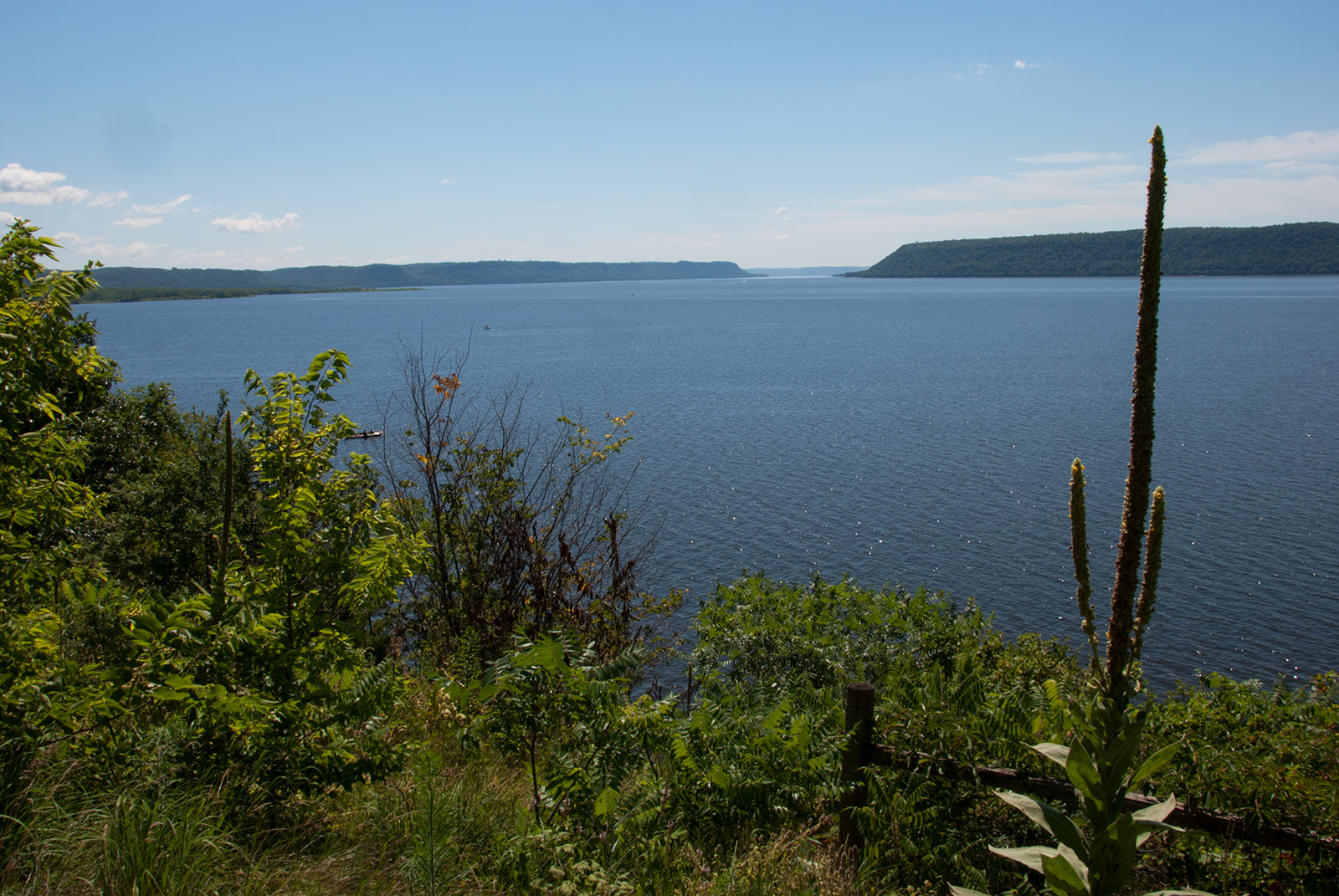
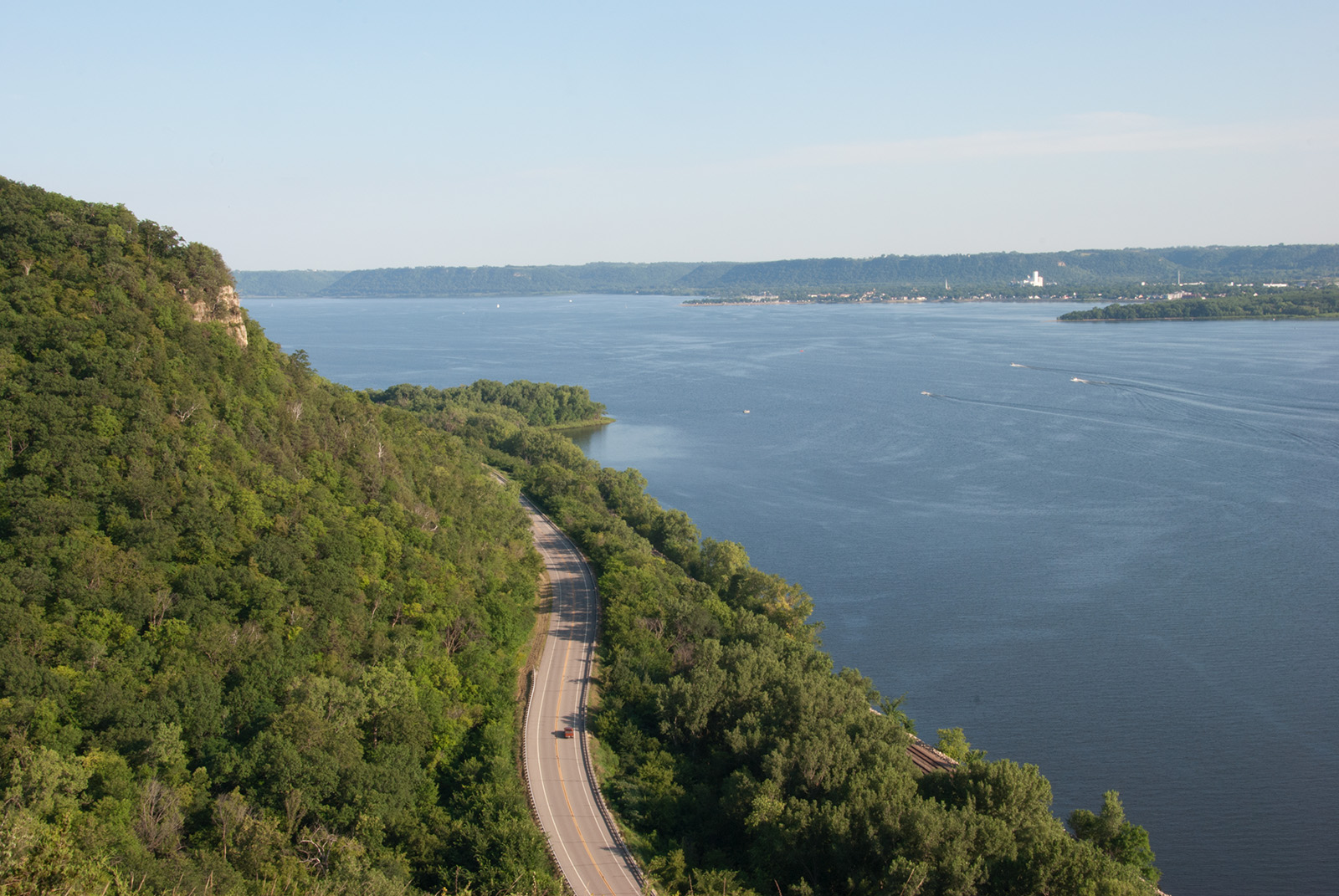
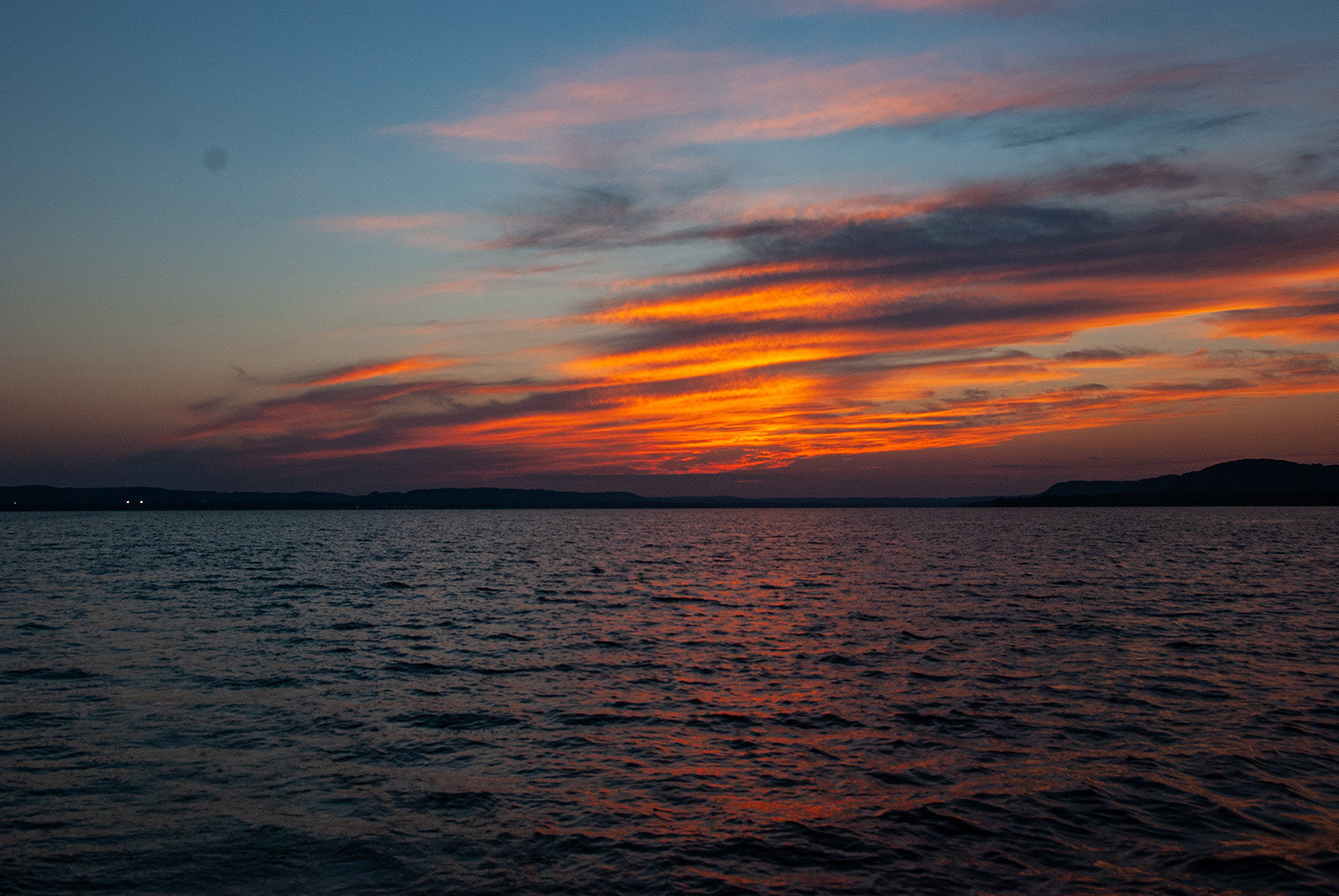
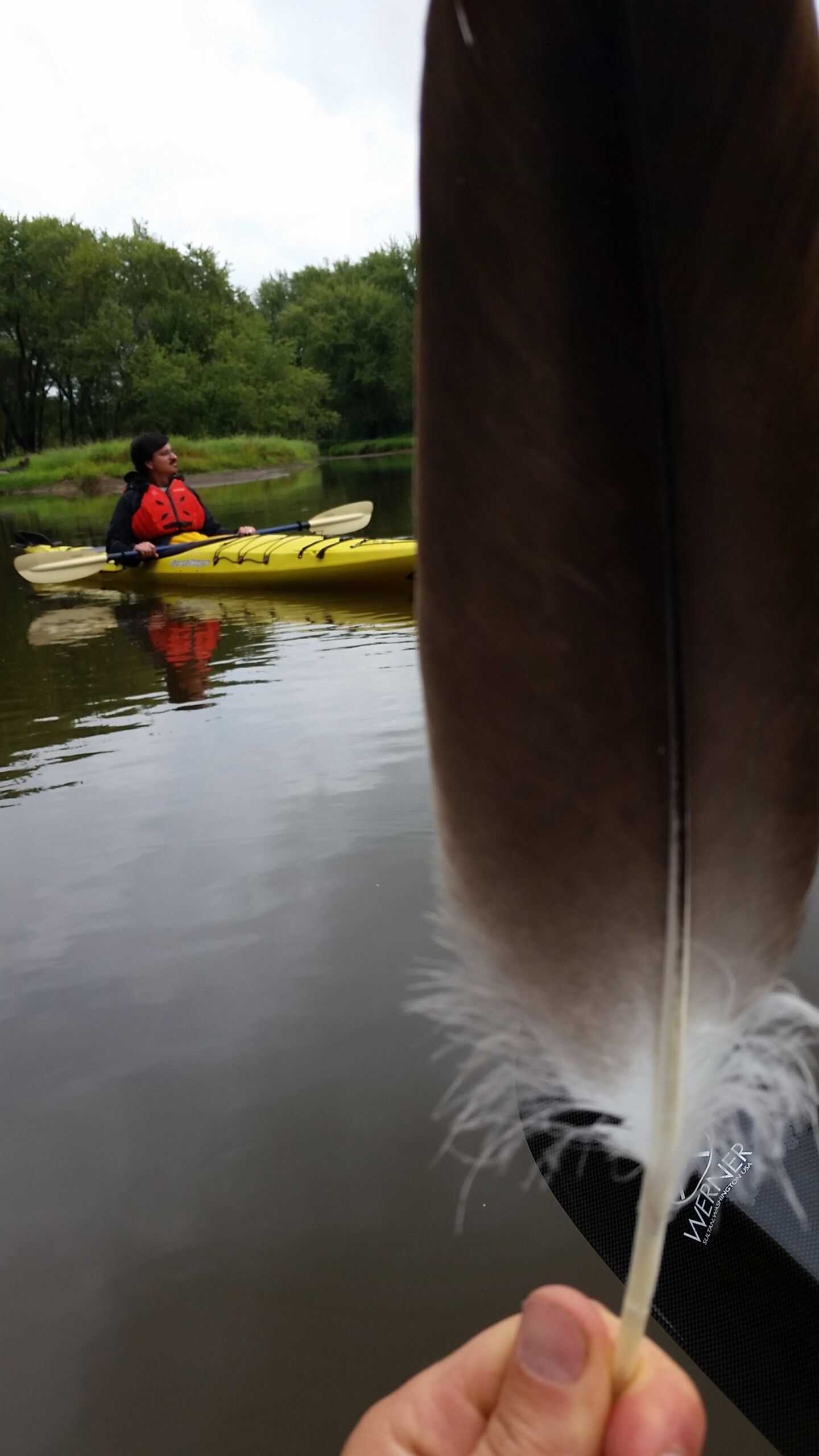
You’ll find that most of the standard lodging options are in Red Wing and Lake City. You got a few more in Wabasha, but there are also a whole bunch of Airbnb options in places all around the lake. So if that’s your thing, you can check out Airbnb and find something there. If you’d like to know more, I have a whole chapter on Lake Pepin and the area around Lake Pepin in my book ‘Road Tripping the Great River Road,’ which is in its third edition. So you can order that at online retailers or just contact me directly. As always, the show notes for this episode will be at MississippiValleyTraveler.com/podcast. You can see a few pictures from Lake Pepin, as well as have access to all previous episodes at that same address.
Dean Klinkenberg 05:21
Thanks to those of you continue to show me some love through Patreon. Your support keeps this podcast going and makes me feel really good for as little as $1 a month, you can join the Patreon community and get early access to each of these episodes. Patreon not your thing. You can buy me a coffee. Go to MississippiValleyTraveler.com/podcast and there you’ll find out how to join Patreon or how to buy me a coffee, as well as looking up all those show notes and all the previous episodes.
Dean Klinkenberg 05:55
Well, let’s get on with the interview.
Dean Klinkenberg 06:07
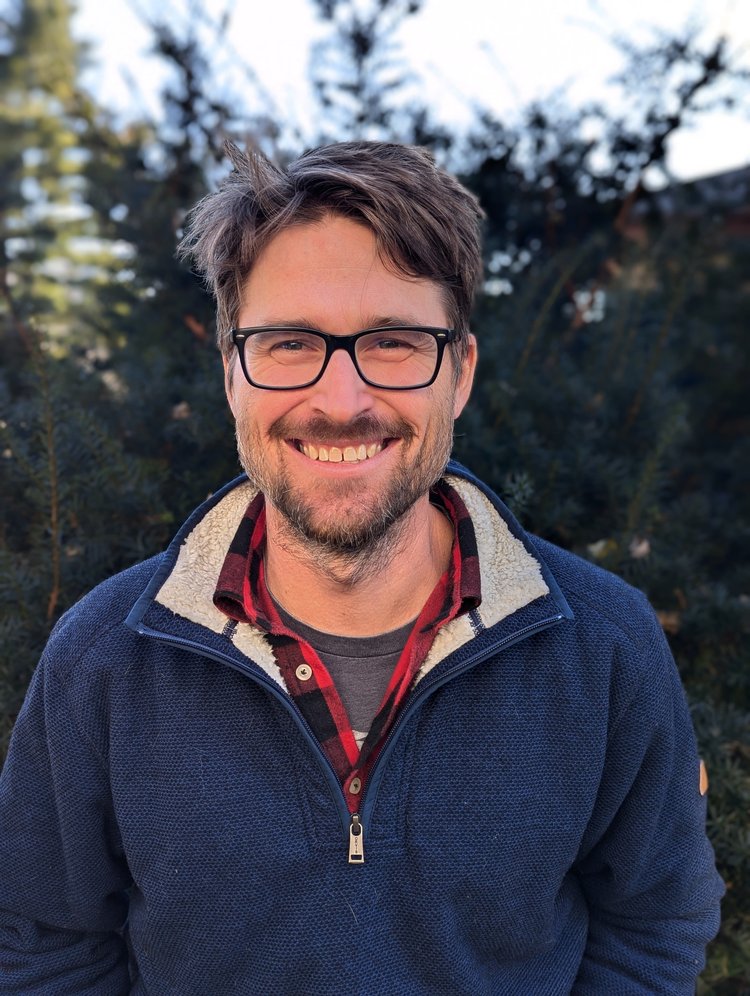
Michael Anderson is the Executive Director of the Lake Pepin Legacy Alliance, where he leads efforts to reduce sedimentation, improve habitat and enhance public access across the Lake Pepin watershed in Minnesota and Wisconsin. He has over a decade of entrepreneurial experience centered on the Mississippi River in Wabasha, Minnesota, including founding an ecotourism paddling company that has introduced over 10,000 people to the Mississippi River in Lake Pepin. Alongside a dedicated team, Michael and his wife operate an organic vegetable farm in a nearby valley, using regenerative agriculture practices to promote soil and water health. His work focuses on translating science into practical on the ground solutions, and he continues to stay closely connected to the land and local community. Michael, welcome to the podcast.
Michael Anderson 07:00
Thank you, Dean. It’s great to be here. Great to talk with you.
Dean Klinkenberg 07:04
I’m proud to count myself among the 10,000 people who had the opportunity to get on the water with you. We’ll talk about paddling a little bit later, but I think there’s some really fantastic opportunities for paddling in the area that I know I want to spend a little bit of time talking about, but before we get into that, I’m just kind of curious, like, how you got connected to this part of the Mississippi like, how did, as I recall, you kind of grew up in the Twin Cities, or you had a Twin Cities connection. How did you end up spending so much of your your professional and private life now focused along this part of the river?
Michael Anderson 07:41
Yeah, well, that’s a is a great question. And I never was, you know, all this as a narrative arc for my life that I had imagined. I was living in northern Minnesota, actually, not far from the headwaters, maybe half hour from Lake Itasca, and I got an opportunity to run and manage and run a bed and breakfast in Wabasha, Minnesota on the Mississippi River. So a friend and I jumped on that opportunity with the big caveat that if we’re going to do this, which I know nothing about a bed and breakfast, we’re going to do kayaking too. So when we moved down here, we ran a B&B made, breakfast where people did that whole thing, but then would take our guests on guided kayak tours in the backwaters of the Mississippi. And so, like, that’s, that’s how I really sunk my teeth into this area, or how this area got into me. Is like, is exploring the backwaters and the main channel and Lake Pepin by kayak. And that has what has kept me going with Burke on the river. And partway through all that, I’ve met my wife here as she was farming on the Wisconsin side, and we now farm over on the Minnesota side, but we farm not far off the river in a little valley. And so I, you know, I’ve spent a lot of time days that go between being on the water to being in the farm, and it’s just a miraculously wonderful place to live.
Dean Klinkenberg 09:15
I can’t imagine a better like second occupation for somebody concerned about Lake Pepin and water quality in the in the Mississippi to also be farming, because farming practices have such an impact on the river water quality and the future of the river. We’ll get to threats about facing the lake Pepin area down the road here. But on your farming side of things, what’s your farm like? What are you growing there? How many acres? What’s that operation like?
Michael Anderson 09:44
Yeah, we grow organic vegetables, and the entire farm property is about 160 acres. Most, most of that is forest. There’s maybe ten or so in hazelnuts, ten or so acres in hazelnuts. Another fifteen-ish pasture. And then we have vegetables on about five acres or so, which includes, you know, a greenhouse and a few high tunnels. So the big plastics, you know, structures that look like greenhouses. We have several of those. So we grow in about, you know, we operate in about four or five acres here on the farm. So it’s not a lot. When you think of like a big corn and soy operation that are running 1000s of acres ours. Ours is small size wise in comparison. But we grow a lot of, you know, food that goes right to dinner tables.
Dean Klinkenberg 10:37
You grow a lot of the food we actually eat. Yes, and I imagine you have to have a fair amount of help even to manage a farm of that size.
Michael Anderson 10:47
Yeah, we do. We have every year, it’s around 5, 6 or 7 people that are here on the farm, you know, in varying part time capacities or seasonal capacities, but it takes a lot of hands. And my wife is, you know, full time, runs the farm, and it’s her brain child. She’s the engine behind it. And I get a, I get to fill in all the cracks, and I get to fix this or or, you know, cover crop that field, or fix the broken thing here and there. I do a lot of just, you know, filling in the small cracks,
Dean Klinkenberg 11:23
All right. Well, that’s great. So are you selling products in farmer’s markets? Like you grow enough to be able to have like a booth or stand in the local farmer’s markets?
Michael Anderson 11:35
We do, we do three farmers markets. Our largest one is in the cities in a suburb called Hopkins. And then we do it a farmer’s market here in Wabasha, just to be part of our community. And then same with Lake City as well, which is right on Lake Pepin. And I cannot imagine a better farmer’s market anywhere than the Lake City farmer’s market, if, if you’ve been to the new park they have downtown that’s right on the lake. It just overlooks the lake from our stand, and you see if they’re in the evening, so you catch a sunset over the lake. It’s just, it’s the most gorgeous farmer’s market that that we we started going to, thought we’d hand it off to a staff member, but then we just kept going to because it’s so beautiful.
Dean Klinkenberg 12:22
Yeah, I’ve been to that farmer’s market, and I kept getting distracted by the views. Yeah, there were a lot of produce there as well. But, yeah, that was a good farmer’s market, given the size of the community too. There’s a, there was a good selection of products there.
Michael Anderson 12:35
Yes, yeah, they’re, they’re for the size of the community. It is an amazing farmer’s market. It’s active. It has a lot of people. It’s got food trucks. It has music. The organizers have done a great job of that market. That’s why we love going to that one
Dean Klinkenberg 12:52
Well, so let’s talk a little bit about the lake itself then. You know, the beautiful lake that this farmer’s market overlooks. Tell us, I’m not sure everybody who listens to the podcast is familiar with all the geography of the river and how there are these really unique spots along the way. Tell us about, you know what Lake Pepin actually is, what makes it different and unique?
Michael Anderson 13:17
Yeah, so Lake Pepin is, it’s an actual lake on the Mississippi River. We’re part of the river. It’s a riverine lake, and it is created not due to a lock and dam, but a natural dam, or natural pinch point of the river, where the Chippewa River, which comes from Wisconsin, northern Wisconsin, through the towns of Eau Claire and Durand. When that hits the Mississippi, it has created a massive delta here. And that delta is what is backfilled everything in the valley behind it on the Mississippi River. And so that’s what created Lake Pepin. We we sit atop or upstream of that delta. And so it backed up the whole valley for 22 miles, all the way to just almost to the town of Red Wing.
Dean Klinkenberg 14:11
And about how wide is it? The water almost goes bluff to bluff in this section, right? So two and a half miles something around that?
Michael Anderson 14:21
Yeah, where the average, I think, is around 1.7 but yeah, you’ll get some wider spots and narrower spots in that. But yeah, you could bluff to bluff is a great way to describe it. And some areas you’ll have a terrace here, where there’s like Lake City is on a terrace. But when water goes bluff to bluff, you just get dramatic viewpoints of, you know, water coming close up to the to the bluff edge.
Dean Klinkenberg 14:47
And in terms of depth of that stretch, it’s a little deeper than the main channel of the Mississippi typically is in the Upper Mississippi.
Michael Anderson 14:57
Yeah, yeah. Well, the. It’ll be deeper than the navigational channel. It depends where you are on the lake, but as you get further down the lake, you get less sediment that drops out, and most of it will drop out ahead of the lake. So you get a lot deeper areas down there than you do up by the town of Bay City, for example, which is at the head of the lake. But once you get down past Lake City and and almost to Reads Landing, you get deeper water down there.
Dean Klinkenberg 15:29
Because there are some different characteristics in this stretch of the river. Is the, do we have any differences in the animal life, the fish life, or what you know, the ecosystems or habitats in Lake Pepin, then you might see in other parts of the Mississippi or the main channel of the river.
Michael Anderson 15:49
Yeah, you get because the water here slows and settles down, and nutrients will will or sediment and nutrients will slow and settle down. And we can not always, but we can have, like a stratification in the lake, where a river is not going to have a stratified layer, meaning like a warm top layer and a cold bottom layer, and so that will attract different fish or push fish around to different layers of the water column. So when you’re in the main channel, it’s a lot more just, you know, for all intensive purposes, thinking about it, it’s just, you know, fast moving water straight in a line. Obviously it curves a little bit. But here, because you it’s so wide, gets so slow, in comparison, you have, you have that stratification, you have different nutrients dropping out. You’ll get vegetation growing in a way that you don’t once you’re in the main channel and the main corridor of the river. And so that’s going to attract all kinds of different fish life and duck life that area water fowl compared to what you’re going to see on on the main channel of the river. So it has it. It has a lot of what you might see, or a lot of what you’re going to see on a lake in this area of the country. And then once you quickly exit towards Reads Landing, you’re back into main channel life in backfire life.
Dean Klinkenberg 17:23
Right. So are there different fish then, or bigger fish, or, like, what?
Michael Anderson 17:27
I think you’re largely going to get, I don’t, I shouldn’t speak with, you know, like, I’m not a professional fisherman, so I couldn’t say that exactly, but you’re going to get some differences of what you’re going to see are going to catch here on the lake versus when you’re in the navigational channel or on the on a side channel, but you’re going to get all the same fish that are at least passing through, you know? So if you’re if it’s something that is downstream of the lake, you’re going to have it upstream of the lake, you’re going to have it passing through the lake.
Dean Klinkenberg 18:02
I remember in reading some of the early journals, or the journals where early European explorers who were passing through it wasn’t unusual for them to get warnings or maybe advice from Native Americans nearby to watch out for monsters in the lake. Does that ring a bell to you? Like, what do you what do you know about those stories about, you know, monsters that were famously inhabiting this, this body of water?
Michael Anderson 18:31
Oh, yeah, monsters are real. We got monsters in the lake. We got fish monsters here. There. I mean, there are big fish. No doubts. There is the legend of Pepie, who is a, I would if I said a play on the Loch Ness monster that doesn’t give Pepie his full due, because we all know Pepie is, of course, he looks like the Loch Ness monster, but, and he’s very real. I couldn’t say that about Loch Ness monster, but Pepie is a very real monster who lives in Lake Pepin. And that, that’s all I have to say about Pepie.
Dean Klinkenberg 19:08
And with a name like Pepie, it sort of implies a friendliness or a cuddliness almost.
Michael Anderson 19:14
Yeah, he’s cute. He’s cuddly. If you go out in the lake in the middle of night in a rowboat, he’ll come out and, you know, you can hang out with Pepie.
Dean Klinkenberg 19:24
And I’m sure there’s no shortage of shops in Lake City or other areas where you can get a nice t shirt saying, I saw Pepie, or, you know, watch out for Pepie, something like that.
Michael Anderson 19:33
Yeah, you could get your Pepie gear. I feel like I’ve seen a Pepie book. I’ve never seen a Pepie tattoo. That would be the one thing I haven’t seen yet. Yeah, we do have, we do have Pepie, Pepie paraphernalia that you can get.
Dean Klinkenberg 19:50
So this would have been the traditional homeland of the Dakota people. Do we, what do we know about their relationship with this particular area, with Lake Pepin itself, or did they have what words do they use to describe the lake? Do we know anything about that part of the history or the story of the lake?
Michael Anderson 20:13
Since this area, the whole Mississippi, as you know, is a corridor a highway for the Dakota people, and this area had a couple, I had numerous, what’s the correct term, encampments or villages? Wabasha was one. Red Wing was one. But no doubt many other places along the lake and up and so it was used extensively to my understanding what I’ve been told, you know, seasonally, where people would, people would come during certain times of the year and then head up into the bluffs during certain times of the year. And in fact, one of the something I recently learned was the earliest form of cultivation of plants. You could call it agriculture, if you want, was in Minnesota. So in the whole Upper Midwest in Minnesota was found on a little valley right on the edge of Lake Pepin and a place called King’s Cooley. It’s on the Minnesota side, near, near Reads Landing near Camp Lacupolis, in the little spot that you see on maps called Maple Springs. They found squash feeds there that they radio carbon data to 2500 years ago. So as the first form that they’ve ever found of plant cultivation in this area of the country. So that’s how far they get data back based upon this one site here near near Camp Lacupolis, King’s Cooley.
Dean Klinkenberg 21:54
All right.
Michael Anderson 21:54
Yeah, it’s got a rich history of the Dakota and of the various peoples before it too.
Dean Klinkenberg 22:03
Yeah. A couple episodes ago, I had Julie Zimmerman on and talking about Cahokia down here in St Louis, and Mississippian culture. And there’s a Mississippian site just outside of Red Wing, up in the bluffs around Red Wing, I believe, right?
Michael Anderson 22:19
Yeah, near Frontenac State Park. I don’t know if that’s the one that you’re referring to, but that that has some sites in it as well. And I’ve met private landowners who have some on their on their land, to on some bluffs I overlook the river around here, have some, have some mounds on their land.
Dean Klinkenberg 22:44
So the the first Europeans to come in were French, and so what, what did they do when they when they get to this area, what will, what was their primary interest?
Michael Anderson 22:59
When I think so. I’m like, one of the earliest that we speak about is Hennepin coming through. And he was coming through in, I think the late 1600s, 1680 rings a bell, and he was charged to to head out. I think they might have been at the confluence of the Illinois in the Mississippi, he was charged to head upstream with a couple others to, I’m not sure the point other, if it was to look for suitable sites for for trading, or for, I’m sure, economic, financial reasons at the heart of it. He made it to Lake Pepin, and then was captured by some by Dakota, and was brought up to Mille Lacs. And then from there, some other trader had found out about it and negotiated his release from Mille Lacs. But in that whole journey is when he discovered is definitely not the right word, you could say that in big quotes, but when he saw St. Anthony Falls in, and named St Anthony Falls in Minneapolis, it was on that on that same trip, and I believe that was where the name on that trip often have been given the name for Lake Pepin, as ‘Lake of Tears’ with various meanings as to tears. And I think it was when he to the best of my recollection, when he was and his crew was captured by Dakota. They were brought somewhere on Lake Pepin. And it came from that night that, in his telling, that the Dakota warriors that captured him were crying and about whether they should put him to death or not. And so ‘Lake of Tears’ comes from that. That’s my understanding of that. I think Hennepin was known for grandiose tales and. And making things seem bigger than they needed to be, or smaller if he wanted them to. And I think he embellished quite a bit.
Dean Klinkenberg 25:08
He did acquire quite a reputation for embellishment I think, so. I just assumed, you know, the Lake of Tears was, you know, his own tears. You know, he associated it with his kidnapping, and maybe that’s why he called that area Lake of Tears. Luckily, that name didn’t stick.
Michael Anderson 25:24
Luckily. So yeah, and that, that makes way more sense than than the the other story I read. But you know, he definitely would have told it that way.
Dean Klinkenberg 25:33
Yeah, they were probably his tears. I’m I think we can assume.
Michael Anderson 25:37
I think that’s so, yeah.
Dean Klinkenberg 25:40
So the area today is really one of the more interesting and scenic parts of the Mississippi to visit that I know it’s a very popular day trip, especially from the Twin Cities. I hope people actually stick around longer and spend more time in the area. But what’s interesting to me is that it’s mostly small towns around this lake. The biggest city is Red Wing, which is what, 14,000 people or so.
Michael Anderson 26:09
Yeah? About that? Yeah.
Dean Klinkenberg 26:11
So tell us a little bit about these communities that ring Lake Pepin today. Let’s kind of go with that from Red Wing down to Wabasha, and we’ll work our way back up.
Michael Anderson 26:22
Yeah, take the, take a loop around the lake. I like that. That’s a great drive. Yeah, Red Wing at it. Is it the biggest town here, around the lake, and it has maybe the most industrial output, and traditionally has in any of the other towns. It’s not big, but it’s, it’s like us, you know, county, regional and small regional town. So that’s where Red Wing shoes is. What else is from their Red Wing Pottery is there. They also have large grain terminals that ADM has that there. And I’m no doubt missing some other businesses, but it has a lot of, Sturdiwheat is another big one there too. It has a lot of economic engine behind it, and then downstream from there you get Lake City. Lake City is much smaller population, maybe around four or 5,000 if I’m correct, my memory is correct. Beautiful town. It’s like it’s situated right in the middle of the lake, overlooks the whole lake. It’s just it’s a very gorgeous town, beautiful town, and they’ve done a lot to center their downtown with the recent remodeling of their park to really focus on the lake. It’s the birthplace of water skiing too. They were, they were the the town of Lake City would be remiss if I didn’t mention that,
Dean Klinkenberg 27:49
You’re legally required to mention that, so.
Michael Anderson 27:52
I think it has a large history of button making. So I used to make buttons from oyster shells or mussel shells back in the day, and so a lot of that it took place all around communities of the lake, but there was a large place in Lake City that did it, and I believe there’s still a store there. Not that they do that anymore, and I don’t even know if that would be legal anymore, but they definitely talk about the history. And there’s a store, I think, called the Pearl Button Factory down there, yeah. From there, you bypass just, you know, a little camp called Camp Lacupolis, that is just, you know, maybe trailers and a general store. And then you get down to Reads Landing. Reads Landing is also a very small town, but was at one point just a booming town. All the logs that came out of northern Wisconsin would kind of hole up there over the winter. And it had, I will, I’ll just say, give a broader range. It had maybe a dozen or so hotels and bars and restaurants and everything that came with that in the late or in the mid, late 1800s so it was really a booming town at that point. And right now there’s a great restaurant / brew pub that’s there. It has a bed and breakfast. And in terms of, like, businesses that’s, that’s really about all that’s there these days, but it’s an absolutely beautiful town. It’s very small, but it’s like, it’s a cool, cool spot. It’s great to pull off the river right there.
Dean Klinkenberg 29:31
Right and exactly right at the spot where the lake becomes the river.
Michael Anderson 29:34
Yes, yeah, it’s right at that it’s, it’s such a cool junction. You have the Chippewa River, the Mississippi and Lake Pepin just above it like you can catch pretty dramatic sunsets from that area. It’s gorgeous. Yeah, once you leave Reads Landing, you’re just a quick drive down to Wabasha here. And Wabasha is a as a little river town. I live in Wabasha, so I’m biased how great it is, but it’s oldest river town, oldest town of Minnesota, which is in from the 1830s I have never seen an exact date, but 1830s is how long Wabasha has been incorporated as a city. And it has. We have the National Eagle Center here, which attracts, you know, over 100,000 people every year, who are small town of 2500 and our downtown, our Main Street, it’s right on the river. It the railroad tracks that go up and down both sides of the Mississippi over by Wabasha are set back from the river, maybe almost a mile or so, so you have a downtown that, you know is quiet. You don’t have the trains coming through. You hear that nice, lonesome train whistle in the distance, but you have a nice, quiet, walkable downtown, and it’s a beautiful stop. Lot of tourists come here, and you know, we have a few marinas, entire two marinas in town. So it’s just a booming place in the summer. Our population explodes. And so this is the place where you can cross the river. You get a bridge up by Red Wing, then Wabasha, and then further down is Winona. So once you cross here, you go through Nelson. Nelson is a great little town. It has the Nelson Cheesecake Factory, which is attracts people from all over. It’s got my favorite Wisconsin County bar, called The Top Hat Bar. And as you keep going up river, you’re now in what’s called the West Coast of Wisconsin, and how they branded themselves. And so you get, you get to the town of Pepin, named after the lake. It’s got great some great restaurants. It has, like, a couple wineries and several wedding venues, like, really, over the top, beautiful wedding venues there. So if you want to drop lots of money, I know Pepin is a place to do it, and Stockholm. Once you leave Pepin, you get to Stockholm, which is just an adorable little town of 86 people. I haven’t checked the sign lately. 86, 76. I used to live there, so I was one of those people when I left, they they flipped the sign down. So like 85. It’s a great little town with probably one of the best pie shops around that I was just at last weekend eating a nice slice of cherry pie. And then you come through Maiden Rock. Maiden Rock is another just classic river town with like, a cool art scene and beautiful views right on the river. And last but not least, you get to come all the way to Bay City, where Bay City also has, it has a great river access, a wonderful beach, one of my favorite beaches, because it looks down the entire, not the entire because there’s a big turn in the lake, but it looks down miles of Lake Pepin just from the beach. It’s just a beautiful spot and good access to the main channel the river from Bay City. And yeah, another, another beautiful place. Great restaurant there called Chef Shack, which is a famous restaurant here in the Twin Cities area. So it’s just like a beautiful drive. I think, think I walk through what the drive takes. Maybe, like, if you’re not stopping, you’re going to do it an hour, but you should probably stop and take two days to do it, probably.
Dean Klinkenberg 33:30
Absolutely, I think I clocked at once. It’s about 100 miles, I think, to do the whole loop from Red Wing, yeah, back up. So, yeah, if you never stopped. You know, that’s a couple of hours driving time, tops. I don’t know why you would do that, but.
Michael Anderson 33:45
No, yeah, you got to stop.
Dean Klinkenberg 33:47
Yeah. And what I just love is like, like, these are just small river towns. These are old, traditional river towns. Many of them have beautiful architecture, or some historic buildings, a lot of brick. And a lot of the towns have their own sort of little niche with some kind of historic site or connection. Pepin’s got the Laura Ingalls Wilder connection. Of course, we can’t short Wabasha in their Grumpy Old Men connection.
Michael Anderson 34:14
So yes, yeah, the town does love to him up their Grumpy Old Men festival. We have it every, every February, or you gotta wear plaid.
Dean Klinkenberg 34:26
I’ve been twice.
Michael Anderson 34:27
You’ve been twice?
Dean Klinkenberg 34:28
I’ve been twice.
Michael Anderson 34:31
It’s, it’s pretty it’s pretty wild. Yeah, you can really, you can jump into the frozen river. Did you do that Dean? Did you jump in into the water when you were here?
Dean Klinkenberg 34:38
I did not jump in the frozen river.
Speaker 1 34:41
Okay, yeah, that’s probably wise.
Dean Klinkenberg 34:44
Maybe some sometime in the future.
Michael Anderson 34:48
Yeah, next time, if you’re planning to do that, let me know. I’ll come jump with you.
Dean Klinkenberg 34:51
All right, good. I don’t even know what I’d have to do to prepare for something like that, but probably the less thinking, the better.
Michael Anderson 34:59
Yeah. Yeah, I have done it once here, in other places, several times you just, you can’t think about what you’re about to do. You just got to do it sometimes, like in an inner, inner liquid coat, does the trick too. Yeah, you want to just not think about it. Just jump in.
Dean Klinkenberg 35:18
Yeah. I had a great time, although I was reminded that ice fishing is not exactly a spectator sport.
Michael Anderson 35:27
Yeah, were you ice fishing?
Dean Klinkenberg 35:31
I was watching a little bit just but, yeah, not not made for TV. That’s for sure,
Michael Anderson 35:40
Definitely not made for TV. That’s funny, though. Yeah, it’s, it can be it can be fun. If you’re in there, most of the time you’re if you’re in an ice shack, you’re playing cards with someone, and that’s pretty, playing cards is pretty fun.
Dean Klinkenberg 35:54
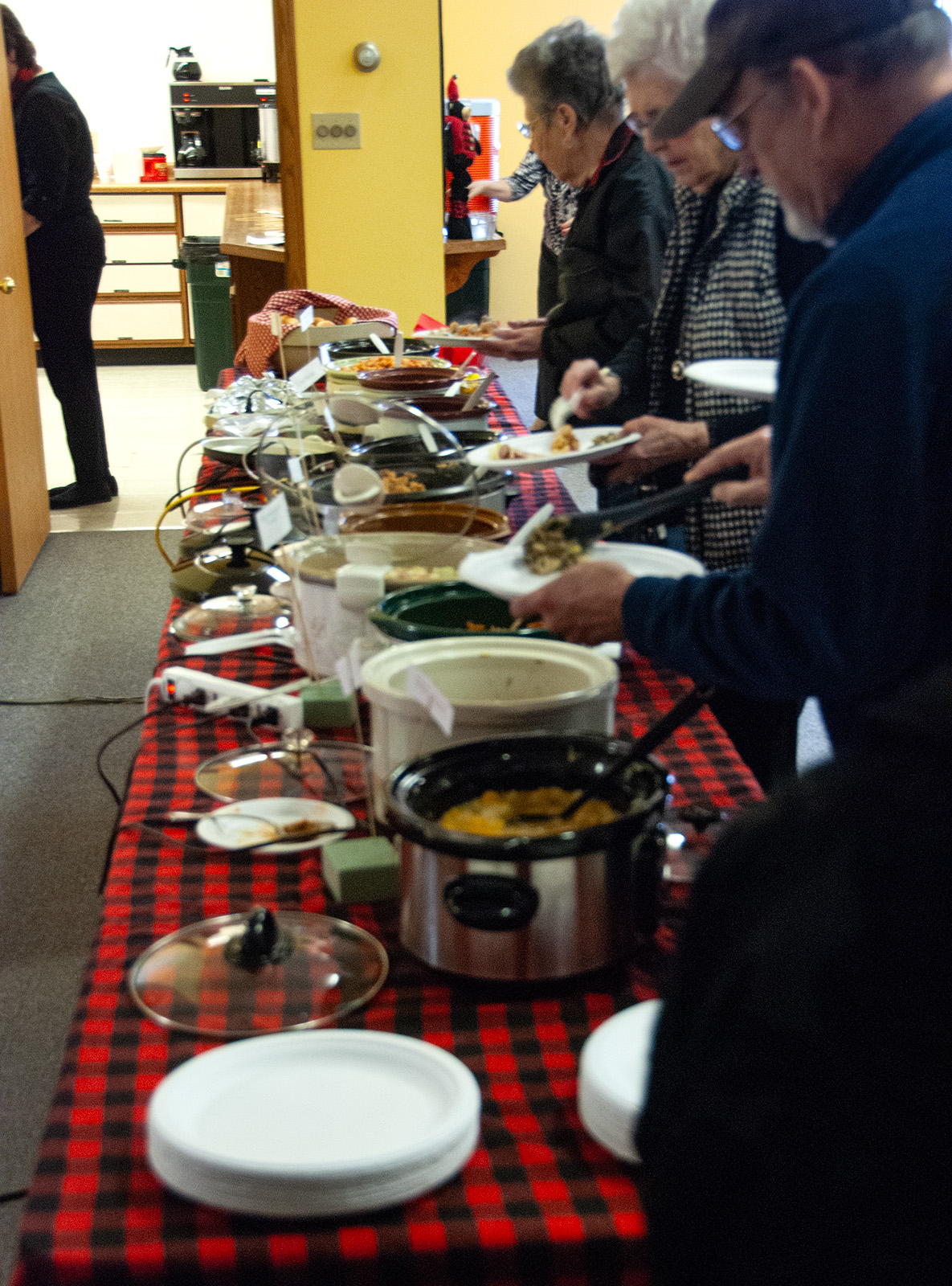
Yeah, yeah, there’s plenty to do. I don’t know if the church still does it, but there was the hot dish buffet at the local church.
Michael Anderson 36:04
Yes, I I’ve had that a couple times there. Yeah, yeah, hot dish buffet. And then there’s another one at that church does. That’s like a salad luncheon, which is just, it’s every church basement fellowship hall you can think of, crammed into like, one setting. It’s pretty great. I recommend it.
Dean Klinkenberg 36:25
Hey, Dean Klinkenberg here, interrupting myself, just wanted to remind you that if you’d like to know more about the Mississippi River, check out my books. I write the Mississippi Valley Traveler guide books for people who want to get to know the Mississippi better. I also write the Frank Dodge mystery series that is set in places along the Mississippi. My newest book, The Wild Mississippi, goes deep into the world of Old Man River. Learn about the varied and complex ecosystems supported by the Mississippi, the plant and animal life that depends on them, and where you can go to experience at all. Find any of these wherever books are sold.
Dean Klinkenberg 37:04
Yeah, one of the other really unique places around the lake too is like old Frontenac,
Michael Anderson 37:11
Yeah, yeah.
Dean Klinkenberg 37:12
It started as a resort community, but now I guess it’s all private houses.
Michael Anderson 37:18
Yeah, exactly. It started as resorts and generally all private now. There’s at least on the waterfront side of things. It’s got a public beach. I should, shouldn’t say it’s all private. There’s public beach there that is a great beach. It is. You’re right on the lake. It’s like a beautiful spot. And I it’s always quiet when I’m there. It’s never packed or busy. But I mean, so so is the life down here. It’s never that packed, which is kind of how we like it. This beach feels so tucked away that it doesn’t get that busy. So pro tip. Check out. Check out the beach in Old Frontenac, Florence Township Beach. It’s a great little spot.
Dean Klinkenberg 38:04
I recall. I’m blanking on the name of the church now, but there was a church in Frontenac too, that was essentially unchanged from when it was built in the late 1800s like if you wanted to see a church, I may look it up and add a note about it in the show notes, but I always like finding those structures that give you a peek into the past, and they hadn’t made too many alterations to the building over time.
Michael Anderson 38:28
Oh cool, not familiar with it. That’s That’s very cool. The, I was told that the town hall of Florence, town hall, which is includes Old Frontenac, is, I think, the oldest town hall in the state of Minnesota, I think is what I is what I recently learned, and that I was driving by, and it’s right on highway 61 and I thought it would be like tucked away in a glamor spot, but I think it’s right on the highway. So not easy to miss
Dean Klinkenberg 39:03
It’s next to the diner, isn’t it? Right, Close?
Michael Anderson 39:05
Yeah, right next to Whistle Stop.
Dean Klinkenberg 39:07
Yeah,
Michael Anderson 39:07
Exactly, yeah.
Dean Klinkenberg 39:11
So obviously, like one of the thing, there are many recreational opportunities around the lake, which is part of the reason that people like going there. I imagine there are a lot of weekenders from the Twin City that Twin Cities maybe grab a room somewhere for a night. And can you just give us, like, a sense of like, the range of things to do recreationally in the area?
Michael Anderson 39:33
Oh yeah, there’s tons of stuff to do, whether you’re on the water or up in the bluffs. There’s tons of hiking. It seems that you’ll find some more hiking trails clustered on the Minnesota side. But when you’re on Wisconsin side, you get one of my favorite hiking trails, which is Maiden Rock Bluff that is between Maiden Rock and Stockholm and overlooks, overlooks Lake Pepin, you’re up very high. And very close to the water, and you get right to the edge, you overlook the whole lake. It’s a beautiful spot. It’s also where I got married. And so, like, I’m partial to that spot.
Dean Klinkenberg 40:11
Wow. Great choice. I had a picture from there on one of my book covers.
Michael Anderson 40:15
Oh, really.
Dean Klinkenberg 40:16
Yeah, it did not include a wedding photo, though, just me standing on the bluff. Yeah, yeah, that’s a great spot.
Michael Anderson 40:24
Beautiful spot. And then, and then, once you get on, on, on, you know, down there’s the river, there are ample opportunities to get on the lake there. Whether you’re want to hire a sailboat, you can go out sailing on the lake. You can go, not parasailing, what’s the correct term, hang gliding over the lake. And you can go, you can rent kayaks, rent canoes and take them up to the lake if you like. Or one of the most popular spots to go paddling is right in the Chippewa River Delta, right at the end of the lake. You can rent canoes and kayaks there. And there are miles and miles of backwaters to paddle paddle over there. It’s a beautiful place. So yeah, a lot of lot of paddling that can be done here. And of course, there’s tons of pleasure crafts too. So people out in the river, in their in their power boats, and just finding a sandbar somewhere on the lake or on the river. And some of those sandbars in the summer, on a weekend, are just lined with boats, just fully packed with people. So if you look, if you’re looking for, you know, more quiet sometimes those weekday, the weekdays there are, are pretty calm and pretty nice.
Dean Klinkenberg 41:40
Yeah. And I imagine in fall there’s a lot of traffic too, as people come down to check out fall colors.
Michael Anderson 41:48
Yeah, the leaf peepers, you could call them. There’s a lot of people coming on down. It’s for the just epic views around the lake that you get, and driving through the valleys here in the Driftless you just get outstanding views of the colors. So yeah, we have, we have a lot of people will come that time of year too. Kind of a lull once school starts, but then it picks back up right around the end of September through October.
Dean Klinkenberg 42:15
Yeah. So one of the things I know, really impressed me about it, too, is just, you know, you you have a couple of very different on the water opportunities, like the sailboats are great. I’ve done it once. I was lucky enough to get on a sailboat once, and it was such a relaxing evening. It was a sunset trip out. Just a great way to relax. And you’re out in open water, you know? So it’s got that expansive feeling. And in contrast, you can go down to Wabasha and you can join Broken Paddle Paddling Company kayak and take a kayak tour through the Chippewa Delta, as you mentioned, which is much a dense forest, dense wetland forest. I know you described a little bit, but can you tell us a couple things you really loved about the experience of taking people through there.
Michael Anderson 43:04
Yeah, oh, man, I loved so much about it. Where do I start? I’m a large you zoom out when you, when I get, when you get to bring someone through that area from where you start to where you enter onto the main channel, you’ve gone through about three miles of backwaters, and it’s like you started with a different person than is now on the main channel. It’s the backwaters. It’s such an intimate space. It’s closer. The channels are smaller. You’re in a more intimate craft, it just calms you and relaxes you, and you just kind of shed away everything that you came there with. It’s such a relaxing space for people to explore. And so that’s one of the things as a as a river guy I loved, was getting to help people find even just a couple hours of peace and relaxation, paddling through that area and like that area, to describe it a little more are these miles and miles of weaving channels that interconnect and splice together. And some are, you know, as narrow as 10 feet wide, and as big you might get a channel that’s 50 feet wide. So they’re never that big, and they’re always moving with the current. And something depends on the flood regime, if it’s faster slow, and if it’s really flooding, the whole backwater is flooded. Now you’re now you get a paddle through a giant, slowly moving river that’s in a forest and there’s no land anywhere. It’s the most surreal thing that that we get to do around here is paddle the backwater during the flood. There’s nothing else like that. It’s unique experience. It’s so I, you know, I can recommend it with all my heart. It’s a beautiful place to be and paddle.
Dean Klinkenberg 45:07
Yeah, boy, that should be on anybody’s bucket list if you’re, especially if you’re interested in the Mississippi, the chance to have a an on the water experience through a floodplain forest during a high water period. It is kind of surreal, but it’s awesome. And through those backwaters too, or through those all those side channels, are usually a lot more opportunities to see wildlife. I remember when you and I went out, we saw quite a bit. I know we saw a bald eagle, and can’t remember everything off top my head now, but I know we had a pretty good paddle where we saw a lot of different wildlife just in a couple of hours.
Michael Anderson 45:43
Yeah, lots of bald eagles there. So many bald eagles on the Mississippi River here. That’s why the National Eagle Center is in watershed. Typically, we see things like beaver. Otter don’t see as often, but when you do, it’s pretty special. So a lot a lot of like beaver you’ll see swimming around, and muskrats will see swimming around. Those are some common things we see. You don’t often see deer, but you’ll often hear deer, because they see you first, and they’ll run away so they hear them running away. And yeah, but eagles is really the thing we see the most about i I’ve only ever I’ve done so many tours, and I’ve only seen, not seen an eagle one time. And it was the funniest time, because I had, I was taking out a TV show, a travel TV show that was all the way here from Japan, and they wanted to see bald eagles, and so we took them on the river. And was like, “Don’t worry, we got this. We see bald eagles every time.” That was the only time I didn’t see a bald eagle out of like, you know, I think over 300 tours that I’ve personally been on. I just couldn’t believe it. I think it’s because I was like, asking. Was asking the backwaters to show me something. I was demanding it almost, and it’s like, no, you don’t control us. We’re not going to show ourselves today.
Dean Klinkenberg 47:07
So funny how that goes. So I imagine there must be plenty of people that kayak on their own through that area. What are a couple of tips you would offer to people who have their own boats and just kind of want to explore on their own, I would guess it’d be kind of easy to get turned around or get lost or.
Michael Anderson 47:27
Yeah, yes, it can be easy to get turned around if you’re doing if you’re paddling in the backwaters and there, it’s easy to do a lot of A to B trips, trip that start in one location and end in another, because we’re on a river, finding a route where you can come back to where you started, is it definitely doable, just not as common as the A to B trips. There are some great loop routes in the backwaters in between the towns of Wabash and Nelson, right off the dike road that goes between the two. So you can, you can start where you’re in there. That’s a great spot. Lake Pepin, of course, you can start and end. It’s a giant lake you can put in on the shore. And all the towns that I’ve mentioned have public access, so you can get in, go paddle around and come on back. The one safety tip I’ll give to Pepin is it’s a lake that has a is long. So it can have a long the fetch is long, so you can get a lot of waves and wave action there. So it’s best to pay attention to the wind when you’re on Pepin, or even go out in the in the early morning or late, or not too late, but later evening, when things have calmed down. But there’s, there’s tons of Lake Pepin opportunities too.
Dean Klinkenberg 47:29
Well, I mean, this is all great. You know, we’re doing a good job I think of selling Lake Pepin and all there is to see and do there, and how fantastic this stretch of the river is. But the reality is also there are some very significant threats to the river or to the lake. So can you tell us a little bit about what’s happening with that? What are some of the most serious threats facing the health of Lake Pepin these days?
Michael Anderson 47:29
The most serious threat that Lake Pepin faces is sedimentation. So by that, I mean the slowly, the slow infilling of Lake Pepin from sediment that comes from upstream. So that’s the big issue that Lake Pepin deals with, in that L.P.L.A., Lake Pepin Legacy Alliance spends a lot of our energy working on and and that happens here, well, I guess we should start upstream, where it all comes from. Most of it, our sediment comes almost 80% of it comes from the Minnesota River Basin. So if, if you’re not from this area, that’s kind of you know more, I. You got to go up river, and then you kind of go angle. Then you got to take a take a hard left, and then you go up the Minnesota River for a while. So you know, as the crow flies, maybe an hour and a half drive from where we are right now. That’s where most of our sediment comes from, and it comes from not directly. It’s not soil washing off of farm fields. That’s what we typically think. Where it comes from, is what is called near channel erosion. And what that is, is all that excess water that we have in the system, water that sheds from drain tile on farms and from having more increased rainfall events than we’ve ever had. I think we have about four on average. We’re almost four, four inches more of rain per year in Minnesota than we used to have, you know, like a century ago. So we have tons of water, and we have it getting dumped it off the landscape quicker via drain tile. But you could think of it as just plumbing under farm fields. And so we have all this water coming into the river. The River then is eroding its own banks, and the ravines around the river, around the river erode themselves, and that gets quickly put into the river. So all that is called near channel erosion, and that is what makes it down to Lake Pepin. So we get 80% of the sediment that is in Lake Pepin. 80% of that does come from, comes from the Minnesota River. And so once that comes to Pepin, we act as a settling basin. So all that sediment just drops out once it gets here. And so on the upper end of the lake, at the head of the lake near the towns of Bay City, and just downstream out of the town of Red Wing near Wacouta, is another name place here in those areas, see the brunt of that sedimentation. So the lakes getting shallower, islands are building up where there never were islands, and because of that, you get a lot more turbidity. So turbidity is like cloudiness of water. We have all this sediment, and the waves will kick it up because it’s so shallow, and we get cloudy water. Therefore we get lack of vegetation growing, and lack of vegetation, you’re going to have lack of oxygen, lack of fish, etc, etc, like it’s just going to it just keeps going down. So the head of the lake really is where we see the most drastic issues of sedimentation. And so that’s where we have focused our efforts here in the lake, as well as our efforts upstream to try and stop that, stop erosion on those near channel sources as best we can. And that’s a large problem to work with, to work on. That’s where we’re putting energy. We’ve as an organization, we’ve accomplished a project with Army Corps of Engineers, where they’re actually dredging out areas that have filled in with sedimentation, purpose building some islands that will reduce that wind and reduce that turbidity, allow vegetation to grow, digging out some deep spots that will allow fish to come in, which will bring waterfall in the area. So we have a big project, like a $25 million project that the Army Corps of Engineers is is soon to complete, maybe the end of this year, that was really highlighting some of the downstream fixes, mitigation to the issue that is coming from upstream.
Dean Klinkenberg 53:42
Is that project the one concentrated around Bay City?
Michael Anderson 53:45
Yes, correct. That’s right around Bay City.
Dean Klinkenberg 53:47
Yep. So I’ll summarize this for myself too, as I understand it too, like part of the problem here is that the Minnesota River cuts through old glacial plains. There’s a lot of very fine sediment that erode easily. So because of the changing in conditions with drain tiles, you know, the drainage tiles and then heavier rainfall, the those soils wash into the rivers more easily. And they come down the Minnesota River meet the Mississippi just south of downtown Minneapolis. And then as they flow down stream, and they hit that still water, or very slow flow at Lake Pepin, then that sediment starts to drop out. So as you said early on, then you get that concentration of sediment falling out at the head of the lake. Get gets the brunt of that,
Michael Anderson 54:42
Yeah, that’s perfect. That’s very. It’s very concisely put. That is, that is the issue that we face here we and there’s a reason a lot of like agencies will will use Lake Pepin as a reference point for information, for what. Happens upstream, because we can see those effects here so cleanly. You know, you can see the the rate of sedimentation from before settlement, pre-settlement and then going through the 1900s, you know, going through all the way till today. You can see those in sediment cores here in the lake, as compared to other areas where you just don’t, you can’t, because you don’t have that same effect.
Dean Klinkenberg 55:23
So give us a sense of how different it is today. Because I think a lot of people would think, well, you know, there’s always been sediment in these rivers. There’s always rivers are always changing channels, moving things around a little bit. So what’s so different about what’s happening today?
Michael Anderson 55:37
Yeah, yeah, fair question, and it’s, it’s it’s not that sediment by itself is bad, like they’re, you know, set of those are nutrients that are applied, you know, to the river and help create and move and shift islands. We receive here in Lake Pepin 10 times more than we used to. So the lake, if left to its own devices of sedimentation modeled out it would be, it would be a lake as is for about 3500 years, and that that time span has been reduced by tenfold. So now, if we continue to farm at the way we do, and if, if we have rainfall events like we have continued to have, and if they get worse, we’re at maybe 350 years of this lake’s existence, and that’s going to start up here at Bay City, where it’s already starting, and slowly work its way downstream, creating side channels, creating islands In the middle of a lake, creating shallow spots. Yeah. So to get back to your question, set about sediment, like, was it is a bad or is it good? Too much is bad and a little bit is a normal, normal process of landscape river interaction.
Dean Klinkenberg 57:00
So part of the challenge, I imagine for you is that some of this is driven by modern agricultural practices. And so how much headway have you had working with farmers to reduce the impact of the drainage tiles on water quality, on sediment load in the Minnesota River and down river?
Michael Anderson 57:25
Almost everybody who works on this issue here in Minnesota has made very small inroads into drain drainage tile. The way it works is, if a farmer wants to tile a piece of land, he goes to his local here, she goes to their local RCS office or SWCD, which are kind of right next to each other. SWCD is here is our like environmental account office, applies for the permit, and as long as they’re generally just given the permit. Basically there, there’s not too many, there’s not a rigorous application or anything strict that they have to go through. Then they can send that water off their off their land, and they’re the rules and regulations around where it goes, what it does, or where it goes, aren’t entirely strict. So there has been movement in in Minnesota, in some environmental advocacy circles, to adjust rules around drain tile that would help, that would help the situation, but that that’s going to be a hard sell in in a state that relies its farming sector. A large part of it relies on drain tile to farm the land they farm. So much of the area that is farmed in the Minnesota River Basin used to have lots of Oracle like prairie potholes and wetlands in it, and you know, you could have your farm around those but now that people have put in drain tile you can farm what used to be lakes and what used to be wetlands and ponds. So that’s it would be really hard, if not impossible, to reverse that trend and build more wetlands and things like that. So the biggest thing that that that we are focusing on at LPLA is we’re looking at a slice of the landscape of ravines, and that ravines contribute disproportionate amount of sediment relative to their their percent of the landscape. And so those aren’t areas that can be farmed. They’re just steep valleys, you know, not huge, but steep enough. And they’re usually treed or shrubs. You can’t farm them. And so we’re looking at ways to reduce sedimentation coming out of ravines and slow the water at the head of a ring at the top of the ravine. So there are different structures that that local, environmental, county level organizations or NRC offices will build that keep more of that water up in the field. So we’ll keep that drain tile water, and they’ll like pond it and then let it slowly release, instead of release rapidly, all at once, as soon as it gets there. So there are some efforts, amongst other organizations and ours to really focus on slices of the landscape. It’s called targeted erosion control. Where we’re just we’re trying to target the highest producing places of erosion and work on those. So that’s kind of that’s where headway can be made most easily in agricultural communities, is not we need to turn your farmland into a wetland. That’s not likely, but if we can help manipulate the area that you don’t farm as wildlife value has no economic value to you. If we can manipulate this area to produce an environmental benefit, it’s where we’d like to work. And so yeah.
Dean Klinkenberg 1:01:19
So for the for farmers that do have drainage tiles already installed, are there any options for them to reduce the runoff impact of from those drainage tiles?
Michael Anderson 1:01:31
I will say yes, but I don’t know the specific structures that do that. There are ways and to either reroute tile or routed to areas that let you, let it sink in more. So I won’t, I won’t speak further on it, because I don’t know the specifics on all the structures. But it can be that is, I don’t know if that’s as likely.
Dean Klinkenberg 1:01:57
Well, it cost them money too.
Michael Anderson 1:01:59
It’ll, it’ll cost them money. There are a lot of state and federal, county dollars that go to help landowners install these practices. But sometimes, you know, people don’t want to, for various reasons. Don’t want to use that practice, whether it’s cover cropping or installing like a sediment pond on their farm, it for various reasons. Sometimes people don’t want to install those things, and so there, there are some novel approaches to it, and I’ve recently started looking at something that called water quality trading that happens, happens in a more mature market out by Chesapeake Bay out east. I think other states have programs too, but the state of Wisconsin also has a small, burgeoning program. It’s where different regulated NFCs of the of the city or local government have to meet water quality standards. But they they it’s too costly for them to do something within their own city. So they can pay, essentially, I’m making it very simplistic, but they can essentially pay to have something done upstream that reduces whether it’s phosphorus or sediment, whatever their goal is, whatever whatever regulation they need to meet. So that’s called water quality trading, and that’s kind of a Minnesota doesn’t formally have that, but it’s starting to gain a little traction here in Minnesota as an idea. So it’s by no way a robust marketplace here at all.
Dean Klinkenberg 1:03:48
Right. But, and just to be clear, too, and I’m not, I guess I’m passing judgment slightly on this, but we’re talking about farmers that are essentially growing corn or soybeans, right? These are commodity crops. They’re not growing vegetables that are sold to the local farmer market on the on these mass farms, they’re growing corn and soybeans that, for the most part, are sold for export, sold for maybe biofuels. But they’re not growing crops for human consumption for the most part.
Michael Anderson 1:04:22
For the most part. Yeah, I don’t have the percentage of in front of me, but I know it’s a lot of corn that goes to ethanol. So ethanol is, you know, a large part of the gas at the pump. So if you see, like, E85 or whatever, there’s a lot, there’s ethanol in our gas, and that comes from a corn. So we grow a lot of fuel, a lot of feed stock for, you know, hogs, cattle, chickens, whatever is eating it. And we also export a lot. So a lot of our soybeans get exported overseas, but none of that, none of that corn. And so that you see, I mean, none of it, most, most of what you’re seeing is not anything that we’re going to eat directly we, you know, and even, yeah, we’ll just, we’ll say that it’s not really human food that you see growing in the landscape very often.
Dean Klinkenberg 1:05:18
So is the water quality in Lake Pepin affected at all by fertilizer runoff?
Michael Anderson 1:05:25
That’s a great question. And I don’t have the data on fertilizer enough, other than, you know, nitrates coming through the system. I doubt information is available, and I don’t have this specific number on that right now, I think we’re we’re right near the limits on acceptability for nitrates. Don’t quote me on that. It’s not like this is going to air, or anything,
Dean Klinkenberg 1:05:51
It’s not like this is public, or anything.
Michael Anderson 1:05:53
But like phosphorus, for example, is something that Lake Pepin has an impairment for, according to the state of Minnesota. So we that means we have too much phosphorus in our system, and that largely comes phosphorus binds to soil. So we get a lot from that sediment that comes into the lake. We used to get a lot that come, that would come from, like wastewater discharge from treatment plants, we’ve largely fixed that problem over over, you know, the ensuing decades, we’ve largely fixed the problem of phosphorus coming from those plants, but it’s still bound in in soil from farm fields. So we get a lot that will come from the Minnesota River basin riding. It’s, you know, right in the back of the soil particle.
Dean Klinkenberg 1:06:48
All right, are there any other threats to the lake that that we should be concerned about?
Michael Anderson 1:06:56
Um, I the, you know, some of the same, same threats that all of us in the environmental advocacy world deal with, but our largest things are our sediment, phosphorus we get. You know, the Mississippi River brings to us all kinds of things that come from upstream. So PFAs is one which is largely comes from 3M which is upstream of us. There’s a plant in Cottage Grove, Minnesota, and that has created a fish consumption recommendation that’s pretty stringent, that affects us all down here, I think even all the way down through Wabasha. PCBs are something that I have been around for a while and will continue to be around in that they’re stuck within the soil, soil particles at the bottom of lakes and rivers and backwaters. But PFAs is one that we hear a lot of questions about, and so there, there has been a recent large settlement in Minnesota between 3M and the state to clean up, to clean up their PFAs contamination that they have caused, and implement better and more strict guidelines at their plants in Cottage Grove.
Dean Klinkenberg 1:08:22
So what are the recommended limits on consuming fish then? Are there specific fish to avoid eating, or there don’t eat it more than once or twice a week? Or what are the specific recommendations around eating fish from the lake?
Michael Anderson 1:08:36
Great question. I don’t have the specifics, and I think it’s pretty stringent. It sounds like, you know, something like one fish every couple of weeks, or something like that. I don’t, don’t quote me on that again. This isn’t gonna air. It’s something very stringent like that. And the fish that accumulated the most are those at the top of the food chain. As you know, it’ll bio accumulate as it works on up so things that are eating the smaller fish your northern plank, yeah, it’s gonna, gonna keep going up the system.
Dean Klinkenberg 1:09:11
All right, that’s it’s a lot to consider. So thanks for taking us through all that. And tell us, then tell us about the Lake Pepin Legacy Alliance.
Michael Anderson 1:09:22
Yeah, Lake Pepin Legacy Alliance. We’ve been around for 17 years now, and it was started by people who who live on the Minnesota side on Lake Pepin, who could visually see the issue of sedimentation affecting the lake. And they really started to ask, okay, what is this? Why is this happening? Is this natural? Is this not natural? Let’s, let’s figure that question out, and then, if it’s a problem, let’s start doing something about it. So it’s to the credit of the original founders of this organization to to get it going to see the problem. And then start trying, then, then start to work on solutions. And so we’ve been doing that now, like I said, for near 20 years, and we’ve become an advocacy organization for the health of the lake, for all of our members who are who recreate on the lake, who live around the lake. So that’s the the core of our, of our organization, our membership, which is, you know, over, over 1200 people strong that live around Lake Pepin and in the area. And you know, it’s, it’s a it’s a large group. It’s a lot of people who, who are, have been in, are part of this organization for a small area like this.
Dean Klinkenberg 1:10:49
Right. That that’s a lot of people. I’m very impressed considering, like, the, like you said, the number of people who live around there isn’t so big, so it’s a lot of concerned people.
Michael Anderson 1:11:01
Yeah, yeah. I mean, people have, have very have realized the have seen the issue firsthand of the lake slowly and feeling at the head of the lake. You know, when boats are getting stuck and you can’t fish or you can’t hunt in those areas that used to be able to you really start to notice the issue?
Dean Klinkenberg 1:11:24
Well, if folks are interested in following the work of the Lake Pepin Legacy Alliance, what would be a good place to do so?
Michael Anderson 1:11:32
Follow us on our website and sign up for our newsletter. We send it out, send it out monthly, and we take a lot of put a lot of work into finding and understanding the relevant scientific information about the lake and trying to translate that into into more easily understandable language, and putting that out there for all of our members to understand and we continually communicate about, of course, the work that we’re doing and our efforts and to work on sedimentation. So follow us on our website and join our newsletter.
Dean Klinkenberg 1:12:09
Fantastic. Well, keep up the good work. Thank you so much for sharing some time with me today and taking us around Lake Pepin and and hopefully you’ll continue to chip away at some of those threats to the lake’s well being.
Michael Anderson 1:12:21
Yeah, well thank you so much, Dean, for inviting me here for a conversation today. This has been great.
Dean Klinkenberg 1:12:28
Absolutely. It’s been a great conversation, and I’ll see you on the river.
Michael Anderson 1:12:33
Yeah, hopefully so.
Dean Klinkenberg 1:12:35
Thanks for listening. If you enjoyed this episode, subscribe to the series on your favorite podcast app so you don’t miss out on future episodes. I offer the podcast for free, but when you support the show with a few bucks through Patreon to help keep the program going, just go to patreon.com/dean.klinkenberg. If you want to know more about the Mississippi River, check out my books. I write the Mississippi Valley Traveler guidebooks for people who want to get to know the Mississippi better. I also write the Frank Dodge mystery series that’s set in places along the river. Find them wherever books are sold. The Mississippi Valley Traveler podcast is written and produced by me Dean Klinkenberg. Original Music by Noah Fence. See you next time you.