Travel has played an outsized role in my life, has shaped it in overwhelmingly positive ways. In this episode, I share the story behind my new memoir, Better Safe Than Sorry? Slow Boats, Chicken Buses, and the Radical Choice to Trust the World. Drawing from 25 years of independent travel, this book is a raw, honest collection of travel stories that will challenge what you think about playing it safe.
These are stories with real highs and lows that showcase my drive to get past the reflexive fears and anxieties that once kept my world small. These stories illustrate how choosing curiosity over caution transformed me and fueled travel to places across the planet. From canoeing to the Gulf of Mexico with John Ruskey to exploring Southeast Asia, Madagascar, and Guatemala, these 18 stories celebrate the joy of saying yes.
The book launches exclusively on Kickstarter on June 15, 2026, and includes the option to buy a hardcover edition featuring 63 full-color photos that won’t be available anywhere else. The paperback, audiobook, and ebook will release widely in late summer 2026. Stick around to hear a sample from the audiobook edition, the Introductory chapter to the book.
Show Notes
More about the book, Better Safe Than Sorry (Will redirect to Kickstarter while the campaign is active in summer 2026)
Support the Show
If you are enjoying the podcast, please consider showing your support by making a one-time contribution or by supporting as a regular contributor through Patreon. Every dollar you contribute makes it possible for me to continue sharing stories about America’s Greatest River.
Don’t want to deal with Patreon? No worries. You can show some love by buying me a coffee (which I drink a lot of!). Just click on the link below.
Transcript
Wed, May 27, 2026 1:42PM • 28:32
SUMMARY KEYWORDS
Mississippi Valley Traveler, Dean Klinkenberg, travel memoir, Better Safe Than Sorry, independent travel, travel fears, safety first, curiosity first, Kickstarter campaign, travel experiences, cultural immersion, personal growth, travel challenges, travel stories, Patreon support.
SPEAKERS
Dean Klinkenberg
Dean Klinkenberg 00:27
Welcome to the Mississippi Valley Traveler podcast. I’m Dean Klinkenberg, and I’ve been exploring the deep history and rich culture of the people and places along America’s greatest river, the Mississippi, since 2007. Join me as I go deep into the characters and places along the river, and occasionally wander into other stories from the Midwest and other rivers. Read the episode show notes and get more information on the Mississippi at MississippiValleyTraveler.com Let’s get going.
Dean Klinkenberg 00:59
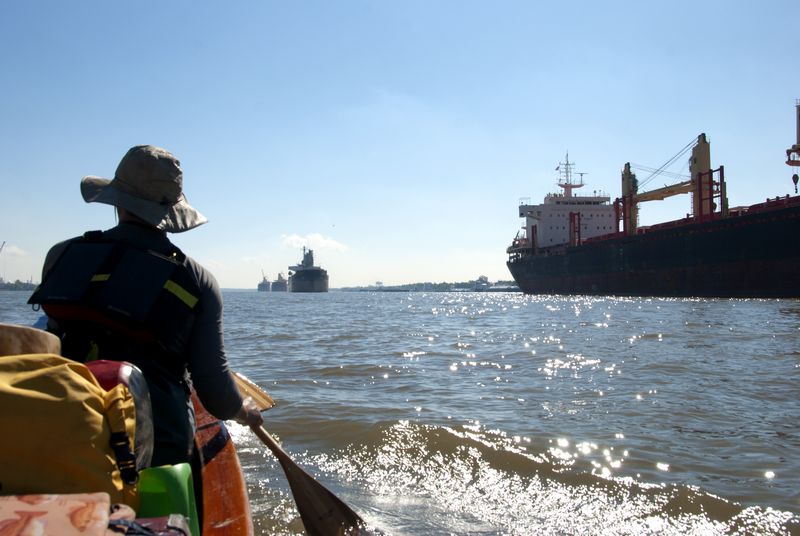
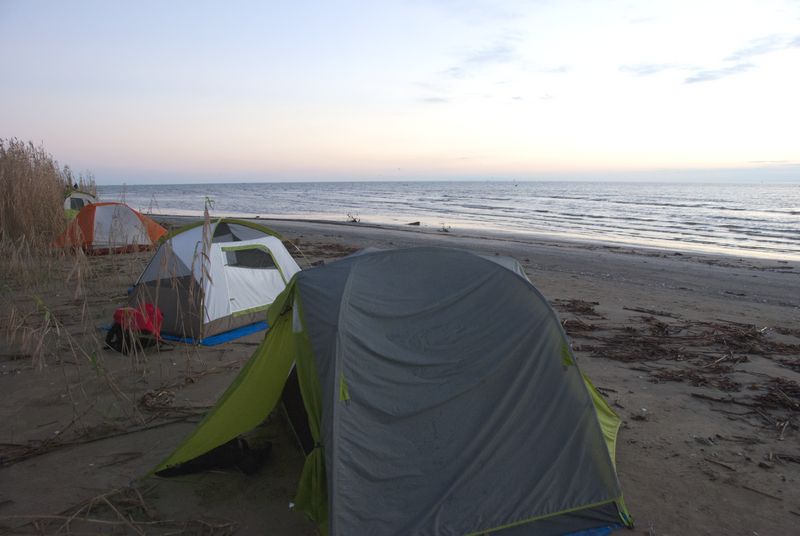
Welcome to episode 77 of the Mississippi Valley Traveler podcast. In 2015 I had the chance to canoe from New Orleans to the Gulf of Mexico with John Ruskey and the Quapaw Canoe Company. The expedition gave me the chance to finally, after nearly a decade as the Mississippi Valley Traveler, get to the end of the river to the spot where the Mississippi merges with the sea. The story about that trip is one of 18 in my new book, a travel memoir called ‘Better Safe Than Sorry: Slow Boats, Chicken Busses, and the Radical Choice to Trust the World.’
Dean Klinkenberg 01:35
The stories come from some 25 years of independent travel around the United States, including many trips along the Mississippi, as well as from some international trips. I’ve been an avid traveler most of my life. I’ve got some great memories of summer road trips with my family, where we’d pack up a car and hit the road for a while. My parents absolutely love traveling, and it’s a passion they passed on to their children, including me. I continued to travel as a young man, even when my budget was tight, and I needed to find creative ways to eat cheaply or find a place to crash for the night.
Dean Klinkenberg 02:10
Still, even as I traveled, I regularly battled fears and anxieties about taking chances on something new or traveling to unfamiliar places. Is someone going to rob me? What if I get lost or look stupid? Worrying about looking stupid is a lifelong affliction. What will happen if my car breaks down? Which one of them did often in those pre-cell phone days. What if the trip is an utter complete failure, and I hate everything about it?
Dean Klinkenberg 02:41
I didn’t move through my regular life with much confidence, and that certainly didn’t change when I traveled. I generally took trips that kept me in the familiar zone. I eventually realized that worrying about safety first had come with a price, that letting my fears dictate decisions for me was depriving me of joy and discovery. It was making my world smaller and smaller, so I decided to find out what would happen if I had listened to that voice of caution less often and took more chances. Travel, I realized, was and still is a good way to do just that.
Dean Klinkenberg 03:20
On the road, I have an easier time taking chances I’d never take at home. Eat something radically unfamiliar, camp on isolated sandbars, even let people dress me up. People like dressing me up. After all, even if I was embarrassed by it, I’d never see these folks again. I’m amazed at how well it’s actually worked out. How much travel has changed me. Slowly, certainly over time, but changed me for sure. So that’s what this book is about. How I use travel to open myself to new experiences, to challenge the safety first mindset, and replace it with curiosity first.
Dean Klinkenberg 04:00
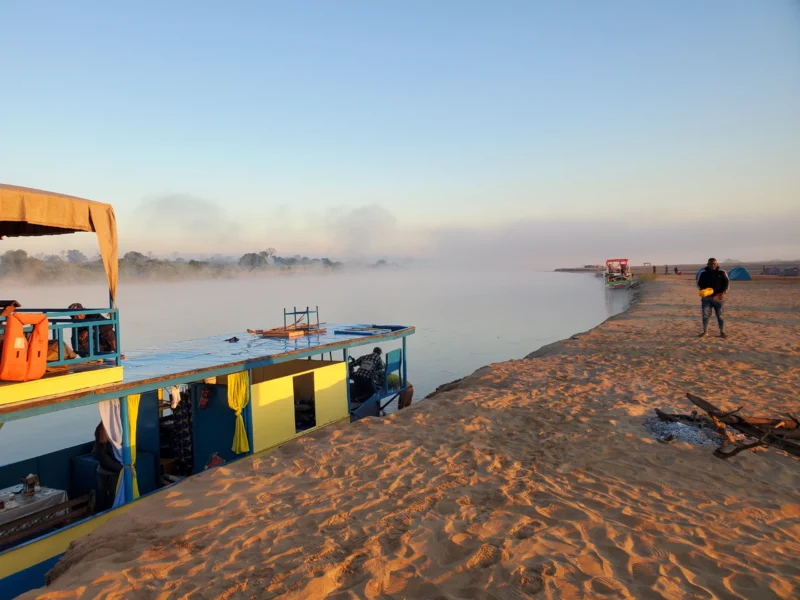
This isn’t a self-help book. I want to be clear about that. This is a collection of travel stories where you’ll read about how I recognize the fears and anxieties I felt, picked them apart, then took a step ahead anyway, and what happened when I did. Hint, I’ve had some great experiences. I’ve enjoyed eye-opening boat trips on the Tonle Sap River in Cambodia and the Tsiribihina in Madagascar. I studied Spanish for two weeks in a small Honduran village, where my husband, John, and I became groupies for a band from El Salvador. We got to watch the sun set over the Guatemalan jungle from atop an ancient Mayan pyramid after all the tour busses left us with the quiet of the jungle. And I got to the end of the Mississippi River with John Ruskey. I didn’t have much experience with wilderness camping before that trip, and fretted a lot up front about how well I’d adapt to the loss of daily conveniences, but I went anyway, and because I did, I checked off a bucket list item, and had one of the best travel experiences of my life.
Dean Klinkenberg 05:06
You’re going to learn an awful lot about me in this book. The stories are really personal, some of them from travel experiences I just haven’t talked about all that much, and I don’t sugarcoat what happened. I hate travel books that make every travel experience look like a trip to Pleasantville or the plot of a Hallmark movie. I’ve got some good stories, plenty of happy endings for sure, but I don’t shy away from writing about the struggles too. Still, travel has brought me tremendous joy, helped me connect to people and places around the world, challenged me to try things I never would have otherwise, tested my patience, taken me inside worlds I never expected to see, and ultimately made me a stronger, more confident, and resilient person.
Dean Klinkenberg 05:52
I think we underestimate how invigorating, how life-affirming it can be to travel to unfamiliar places, meet new people and see the world in a slightly different way than we did before. I’m not saying that the way I travel, independently, is easy. Sometimes it’s damn hard, especially when you arrive in an unfamiliar town after dark and have a hard time finding an available room. But it’s nearly impossible to experience these life-affirming moments when we let safety concerns squash our curiosity.
Dean Klinkenberg 06:25
So I hope these stories will fire up your curiosity and steel your courage too, or at the very least that you find them entertaining, even if you have no intention of taking a chicken bus through El Salvador.
Dean Klinkenberg 06:40
I’m releasing this book initially through Kickstarter only. You may be wondering why it’s a fair question. But it’s pretty simple, actually. Kickstarter offers a new way for indie authors like me to release books and connect directly with people who are interested in our work, and I get to offer something different from what you’ll find on the typical retail platforms.
Dean Klinkenberg 07:02
In this case, I’ve created a hardcover edition of the book with full color photos, 63 of them. I’m only offering the hardcover through Kickstarter. You won’t find it anywhere else. Besides that, Kickstarter gives me a chance to offer other editions of the book before they go on sale anywhere else. You’ll be able to get the paper back with those same 63 photos, but in black and white. The ebook and the audiobook narrated by me weeks before they go on sale anywhere else. The campaign will go live on June 15, but you can sign up now with the pre-launch page to get updates about the campaign, including a note on the day it officially kicks off.
Dean Klinkenberg 07:43
Even if you don’t think you’ll be interested in this book yourself, maybe you know someone who might be. If so, I’d be grateful if you’d help me spread the word about the book and this Kickstarter campaign to your friends and family who are interested in travel stories. You can visit the pre-launch page and sign up for updates at https://deanklinkenberg.com/better-safe-than-sorry and unfortunately, when I created that URL, there are hyphens between better safe than sorry, so it’s better, hyphen safe, hyphen than, hyphen sorry. Yeah, sorry about that.
Dean Klinkenberg 08:16
If that’s too much, you can also just go to the show notes for this episode at MississippiValleyTraveler.com/podcast and I’ll have a link there as well. And also in the show notes I’ll put up there a copy of the book cover, and probably a few trips from probably a few photos from trips as well, so you can see what’s in the book.
Dean Klinkenberg 08:40
But before you go away, I want to offer a flavor of what’s actually in the book. Stick around after this introduction, and you can hear a chapter from the audiobook, the introductory chapter narrated by me.
Dean Klinkenberg 08:53
As always, thank you for your interest in my work, and thank you to those of you who have shown support through Patreon. For as little as $1 a month, you can join that Patreon community, get the early access to episodes, and just generally get the satisfaction of knowing you are part of the community that keeps this podcast going. If you want to join the Patreon community, just go to patreon.com/deanklinkenberg, and you can find instructions there. Patreon not your thing. Buy me a coffee. Again, you can go to MississippiValleyTraveler.com/podcast and there you will find instructions on how to buy me a coffee. As always, thanks for your ongoing support. And now let’s get on to the introduction from ‘Better Safe Than Sorry: Slow Boats, Chicken Busses, and the Radical Choice to Trust the World’.
Dean Klinkenberg 09:52
Introduction. Epigraph “For what gives value to travel. Is fear it breaks down the kind of inner structure we have. One can no longer cheat, hide behind the hours spent at the office or at the plant.” Albert Camus.
Dean Klinkenberg 10:15
At the age of 21 I got accepted into a program to study in France for a semester. I was a French minor in college, so studying in Grenoble at the foot of the Alps would be a great way for me to advance my language skills, as well as an exciting alternative to enduring another Wisconsin winter. I was an insecure, hesitant young man, so the trip offered a chance to break out of my shell, develop confidence, get a crash course in wine and learn about how people live in another part of the world. The trip could have been all of those things and more. I’ll never know, because when the day arrived to make my travel arrangements, I backed out.
Dean Klinkenberg 10:56
I’m not naturally confident, quite the opposite, truth be told. I invented 100 reasons to skip the semester abroad, but it boiled down to this. I was afraid I’d fail. I felt anxious I wouldn’t fit in, worried I couldn’t speak French well enough, and the program would expose my inadequacy. Scared I’d be lonely. So much fear. Rather than test myself, I invented excuses to stay home to avoid the potential embarrassment of failing. The irony, of course, is that by backing out of the trip because of my fears, I failed spectacularly.
Dean Klinkenberg 11:36
I sometimes think back to that moment, to my backing out of the program, and wonder what experiences I might have had living near the Alps in southeastern France for six months. What path might my life have taken? I might never have come back from Europe. Would I ever have an opportunity like that again?
Dean Klinkenberg 12:00
My parents introduced me to the possibilities of travel. When I was a kid my family vacationed almost every summer. We’d get up well before sunrise to avoid traffic. Dad would load and unload luggage and supplies until it all fit perfectly in the trunk. I’d settle into the worn back seat of a station wagon or sedan, pull out the license plate game board or a book, and we’d hit the road. As I stared out the window and watched the world roll by, my imagination kicked into gear.
Dean Klinkenberg 12:22
Travel Fires Up My Curiosity.
Dean Klinkenberg 12:33
Our family lived on a tight budget when I was a kid, but we still got in a summer road trip nearly every year. Sometimes my dad turned an extended work trip into a family vacation. We lived in a motel in San Francisco for four weeks one summer, Atlanta for a few weeks the next. My sister and I traveled with Dad to Los Angeles. While he worked, we played at Disneyland. Besides the frequent vacations, we moved a lot. I went to grade school in four different cities, the world I knew extended far beyond whatever neighborhood we lived in. As young adults, my husband, John and I, traveled from coast to coast. We lived frugally, like my parents had, but fears of traveling around unfamiliar places limited my imagination more than concerns about money.
Dean Klinkenberg 13:25
Taking a long road trip to New England was fine. We understood American culture, but Spain or China? At the same time, the sense that I’d missed out on something important by backing out of the study abroad program in college loomed in the back of my mind. Still, I couldn’t tamp down my desire to travel. John and I got hooked on travel shows, including ‘Lonely Planet’ and Anthony Bourdain’s ‘No Reservations.’ Those shows opened my eyes to the possibilities of independent travel around the world, of visiting places I might never have otherwise considered or had been afraid to travel to. The vicarious experience of watching hosts make their way around the world gave me concrete examples to follow and boosted my confidence to take on the challenges of traveling outside the US myself. And they showed me experiences I was missing out on by giving in to the same fears that had kept me from studying abroad.
Dean Klinkenberg 14:22
Years later I’ve traveled to every US state and 45 countries. I’ve seen great works of art, the Sistine Chapel, Picasso’s ‘Guernica,’ and intricate mandalas. I’ve admired such astounding engineering feats as the temples at Angkor in Cambodia, the pre-Columbian mounds at Cahokia and the stone citadel of Machu Picchu. I celebrated King’s Day on the streets of Amsterdam with thousands of new Dutch friends and walked 13 miles along Yamanobe-no-michi in Japan, one of the oldest roads in the world. But I’ve also shared conversation and slivovitz with survivors of the siege of Sarajevo, sold beer from a booth at an Easter festival in Honduras, and sat 10 feet from a pride of lions as they walked by the safari vehicle I sat in.
Dean Klinkenberg 15:13
Travel indulges my curiosity, helps me feel alive. Through travel, I’ve met people who have made my life richer and more meaningful, and I’d like to think they felt the same way. The connections I made while traveling helped me feel like I’d found a home away from home, or maybe more accurately, a home that extended well beyond the boundaries of the place where I kept my stuff. I’ve learned there’s more than one way to fry a potato, and that mayo is delicious on french fries. I’ve seen firsthand the different ways cultures try to balance the needs of the individual with the needs of society at large, and I better appreciate the trade-offs because of that. I understand the world as an overwhelmingly beautiful place with far more good people than touts.
Dean Klinkenberg 16:02
Travel helps me put my life in perspective. It clarifies where I fit in. (Hint: it turns out life isn’t all about me, dammit!). Travel brings me joy and stimulates gratitude. Spend some time in a country where most people don’t have access to decent health care or clean water, and tell me you don’t feel lucky you were born where you were.
Dean Klinkenberg 16:24
Don’t get me wrong, I’ve had plenty of moments on the road that made me wonder if I would have been better off staying home. Some train stations and airports are confusing. I’m looking at you, Addis Ababa, especially after the third security pat down, and when none of the signs were in my native language. A couple of times I’ve gotten into a new town late at night, only to discover that open rooms were in short supply, which was frustrating and scary. I’ve trembled from the vulnerability of needing help, but being forced to communicate what I was looking for by pointing or acting it out. Still, travel has offered a great way to get past my fears and retrain my brain to get excited about potential benefits rather than worrying about unlikely risks, but, oy, first I had to get past those fears, like the ones that kept me from studying in France.
Dean Klinkenberg 17:23
Fear.
Dean Klinkenberg 17:24
The night before we left for Thailand, I woke up in a panic. My heart raced, and I struggled to catch my breath as the images echoed in my head. I couldn’t find my passport. The person who’d promised to take us to the airport didn’t show up. We stood behind 100 people to check in and get our boarding passes. I couldn’t figure out which gate we were supposed to go to. I couldn’t find the gate. The plane was oversold and the airline had given away my seat because I checked in late. After we landed, I got singled out at customs for a full body inspection. I lost the name of our hotel. The taxi driver charged us double the expected price. The hotel was overbooked and had given away our room. So many things that could go wrong, and thinking about them all sure fires up the anxiety and fear. I know I’m not alone. For plenty of people, the idea of traveling somewhere unfamiliar triggers anxieties about safety.
Dean Klinkenberg 18:25
A few years ago, as John and I enjoyed drinks with friends and a couple of strangers, we shared stories from a trip where we’d spent two months traveling around Central America. As I described the pleasure of enjoying the Mayan ruins at Tikal, after the hordes of tourists had left and the sun slowly set, one of the strangers interrupted, “Is it safe?”
Dean Klinkenberg 18:47
“Is what safe?”
Dean Klinkenberg 18:49
“Being there at night, traveling in Guatemala, all of it.”
Dean Klinkenberg 18:53
She didn’t ask “What’s there to do in Guatemala?”, or “How was the food, or even how easy is it to get laid there?” No, her first question was, “Is it safe?”
Dean Klinkenberg 19:07
In all my travels, after months on the road and thousands of interactions with people around the world, I can think of only a handful of times when something undesirable happened. A couple of times I ate something that made me sick. Another time, pickpockets robbed my sister of her passport and credit cards. A couple of other times, John thwarted a thief when he felt a hand in his pocket. Sometimes we were charged more than we should have been, or more than locals were paying. The overwhelming majority of the time, though, we have found people all over the world to be helpful, gracious, and curious, or at worst indifferent.
Dean Klinkenberg 19:49
I don’t mean to dismiss the idea that travel comes with risk, of course it does, and two middle-aged gay men face risks different from those faced by a single woman or other travelers. It’s awfully easy to conflate legitimate risks with what we’re told to fear. We can’t be everywhere all the time and know everything, so we rely on others to alert us to potential dangers. That’s part of the problem. News and social media feed us a steady diet of tragedy and conflict. You’ve probably heard the unofficial motto that drives much of the media: “If it bleeds, it leads.” Stories that stoke our fears draw us to 24/7 cable news channels and keep us watching. Features about assaults and murders draw viewers to local news channels, which enables TV stations to sell profitable ads, posts that rile up our anger or incite fear keep us scrolling through social media feeds. Politicians who want our vote use the same tools, (immigrants are rapists!), as do automobile companies trying to sell us bigger, more expensive vehicles. Keep your family safe. We are vulnerable to fear-based messages, all of us. “If it bleeds, it leads, and we’ll watch.”
Dean Klinkenberg 21:13
Our attraction to stories that amplify the unsavory side of humanity takes a toll. Not only does all that exposure to death and mayhem make us believe the world is far more dangerous than it really is. It ultimately makes us feel more wary around strangers and in unfamiliar places.
Dean Klinkenberg 21:31
Travel, like life, isn’t risk-free, but our fears have grown way out of proportion to the actual risks. Social media posts oversimplify reality. News outlets cover only a sliver of what’s happening in the world. You may ask, “So what? I’d rather be safe than sorry.”
Dean Klinkenberg 21:52
Better safe than sorry. We act as if a safety-first mindset doesn’t cost us anything. It absolutely does. When fear rules our lives, we retreat in every shadow. We see harm instead of shade. Our neighbors look like threats instead of allies. The world looks like a minefield instead of flower-covered meadows. We find comfort in social media algorithms that feed us only what we want to see and believe, we don’t leave our safety bubble (or we might be sorry!) so our world grows smaller and smaller, or we back out of studying for a semester in Grenoble, France, and spend another winter in Wisconsin.
Dean Klinkenberg 22:40
The Promise of Travel.
Dean Klinkenberg 22:45
I eventually learned to use time away from home to challenge myself to get past fears and anxieties. After all, I’d be around people I’d never see again, an insight I found liberating. I became more willing to try things I’d never do at home. After I understood this, travel became unexpectedly therapeutic. I tried out new versions of who I wanted to be. I struck up conversations with strangers while standing in line. I ordered food I’d never heard of. I mispronounced my way through phrase books. I learned salsa dancing in a neighborhood bar. I walked into taverns and restaurants in neighborhoods where no one looked like me. I wore silly hats. I tried and sometimes failed, but along the way I developed confidence in my ability to handle unfamiliar situations and to bounce back better after mistakes.
Dean Klinkenberg 23:43
I’m surprised at how much travel has over time changed my life. Not all at once, or during a single crisis-fueled expedition. I didn’t magically discover truth and happiness by traveling to the right place for the perfect amount of time and letting the town square work its magic. The changes have been subtle, gradual, and sometimes hard to perceive from moment to moment. But when I think back to who I was in my twenties and who I am today, the differences amaze me.
Dean Klinkenberg 24:15
Travel hasn’t inoculated me against fear and anxiety. I’m just better at taking them along for the ride instead of letting them lead. I learned I have some control over how I respond to adversity. We can’t get tickets to see that famous painting that everyone wants to see? Well, there are a dozen other museums that showcase great art. Or maybe it’s time to take a break and sip coffee and people watch for a couple of hours. Our flight home got canceled and it is raining too hard to explore the city? We will enjoy a nice meal in the hotel with a good bottle of wine, courtesy of the airline. Don’t like the look of the street ahead of us? We can turn around, walk another route, or call an Uber.
Dean Klinkenberg 25:02
I’m not saying I look forward to feeling like a fool when I ask in an unfamiliar language, “Where’s the bathroom?” It’s not that I don’t worry about getting mugged, I’m hardly immune to the fear-based messages the doom-industrial complex bombards us with. I’ve just learned to push through my initial fears. Something will always go wrong. Always. Regardless of how much planning I’ve done. Flights run late. Inns are full. Strikes shut down trains. Someone is trying to make a buck off me, and they don’t care how. But now I trust my ability to cope and adjust when the shit hits the fan.
Dean Klinkenberg 25:43
So yeah, travel has absolutely changed me. Even if no single travel experience moved mountains in my life. Rather, travel experiences have shaped me like wind blowing over a sand dune. Each time I go somewhere new, my ideas about myself, the world, and other people shift, even if just a little. Sometimes I feel those changes while I’m traveling, but most of the time they only sink in after I’m back home, and my mind has had time to catch up with the experiences.
Dean Klinkenberg 26:16
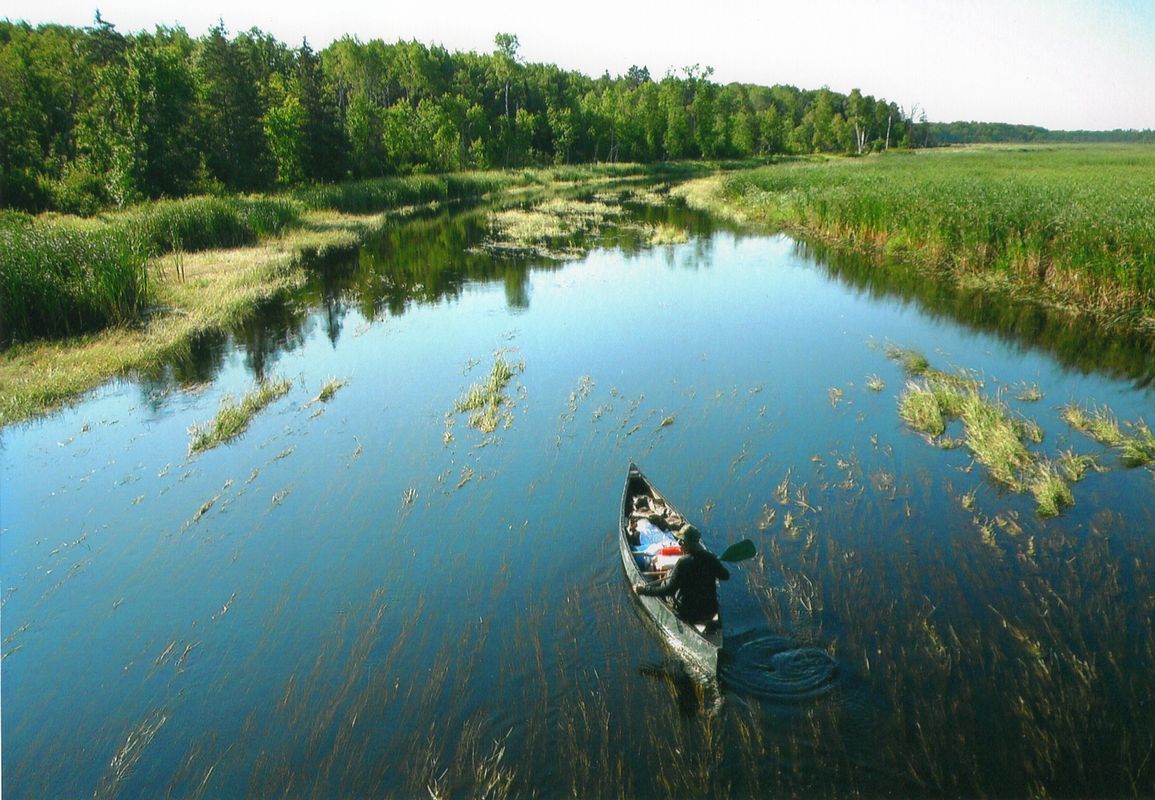
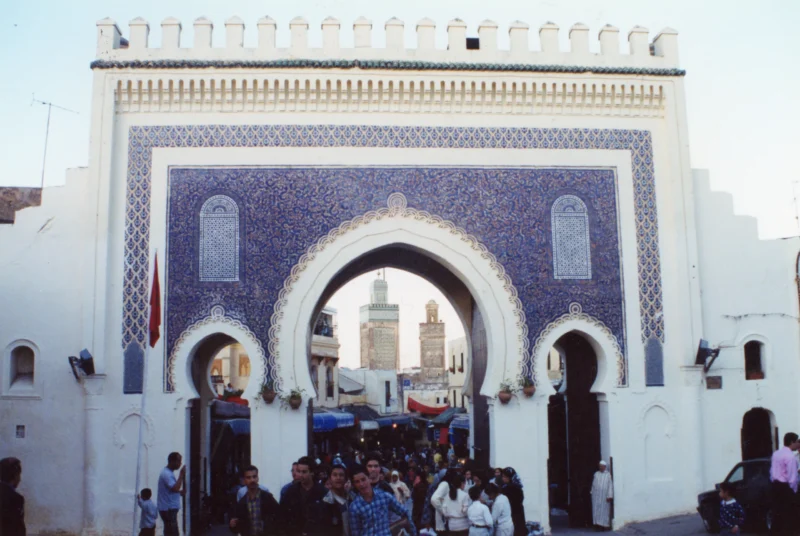
In the stories that follow, I end up on an overcrowded boat for seven hours, get lost in a marsh on a solo canoe trip. Trust the wrong people, dodge scams, embarrass myself in front of strangers, and have my travel plans upended when a new friend’s mother dies unexpectedly. And how many times did I regret not following the advice “better safe than sorry”? Zero. Well, maybe in Tangier…
Dean Klinkenberg 26:47
Well, as I mentioned before, that was the introduction from my new travel memoir, ‘Better Safe Than Sorry: Slow Boats, Chicken Busses, and the Radical Choice to Trust the World.’ Let me know what you think. You can drop a comment in the show notes, or email me at dean@deanklinkenberg.com. And if you want to know more, like if you want to follow the Kickstarter release, contribute to the Kickstarter campaign, you can find that again by going to https://deanklinkenberg.com/better-safe-than-sorry, and the Better Safe Than Sorry, unfortunately has hyphens between each of those words, so you put those in, or you can just go to the show notes, where you’ll find a link directly there.
Dean Klinkenberg 27:26
Thank you very much for your interest, and for following my work.
Dean Klinkenberg 27:32
Thanks for listening. If you enjoyed this episode, subscribe to the series on your favorite podcast app, so you don’t miss out on future episodes. I offer the podcast for free, but when you support the show with a few bucks through Patreon you help keep the program going. Just go to patreon.com/deanklinkenberg. If you want to know more about the Mississippi River, check out my books. I write the Mississippi Valley Traveler Guidebooks for people who want to get to know the Mississippi better. I also write the Frank Dodge Mystery Series that’s set in places along the river. Find them wherever books are sold. The Mississippi Valley Traveler podcast is written and produced by me, Dean Klinkenberg. Original music by Noah Fence. See you next time.