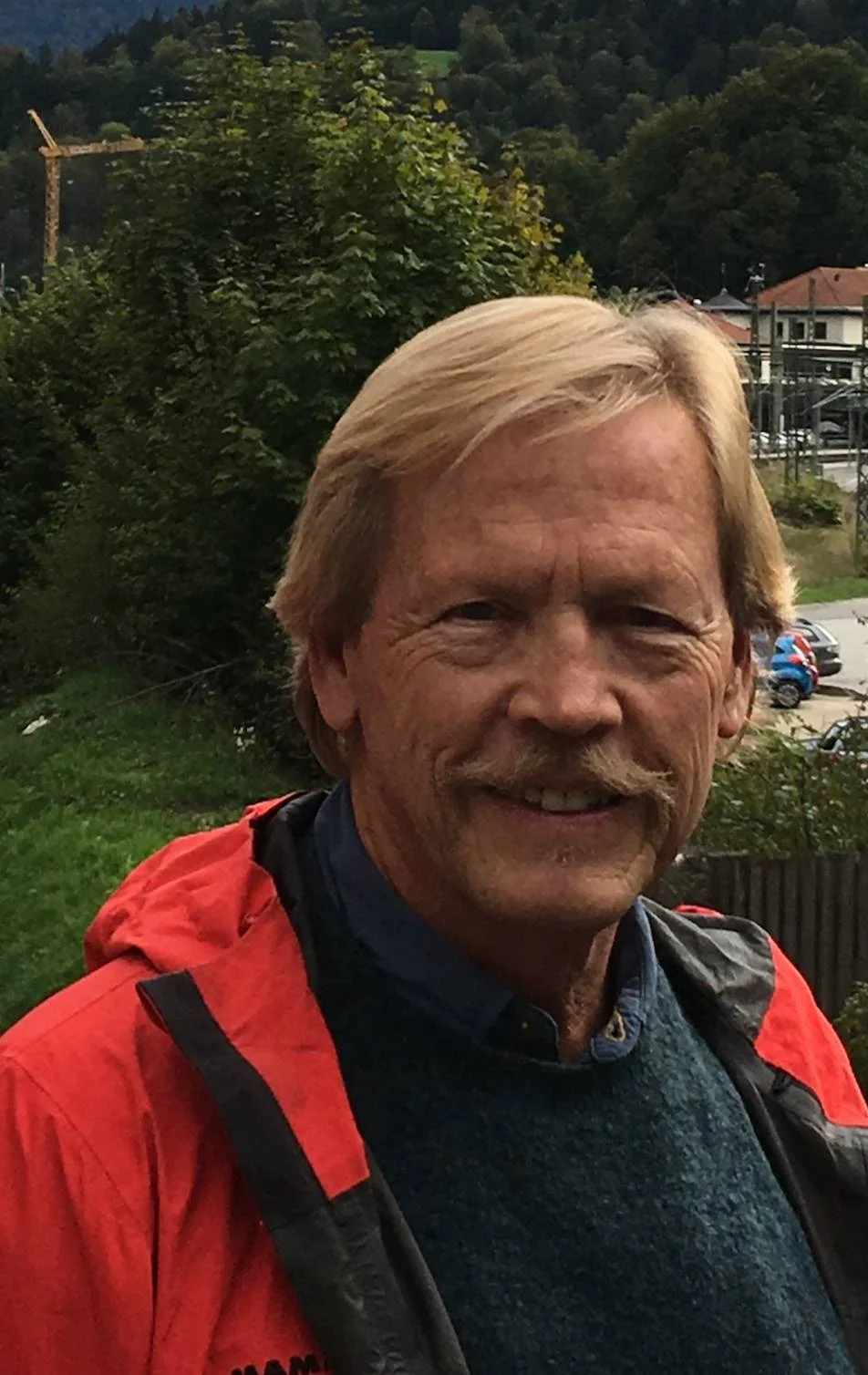
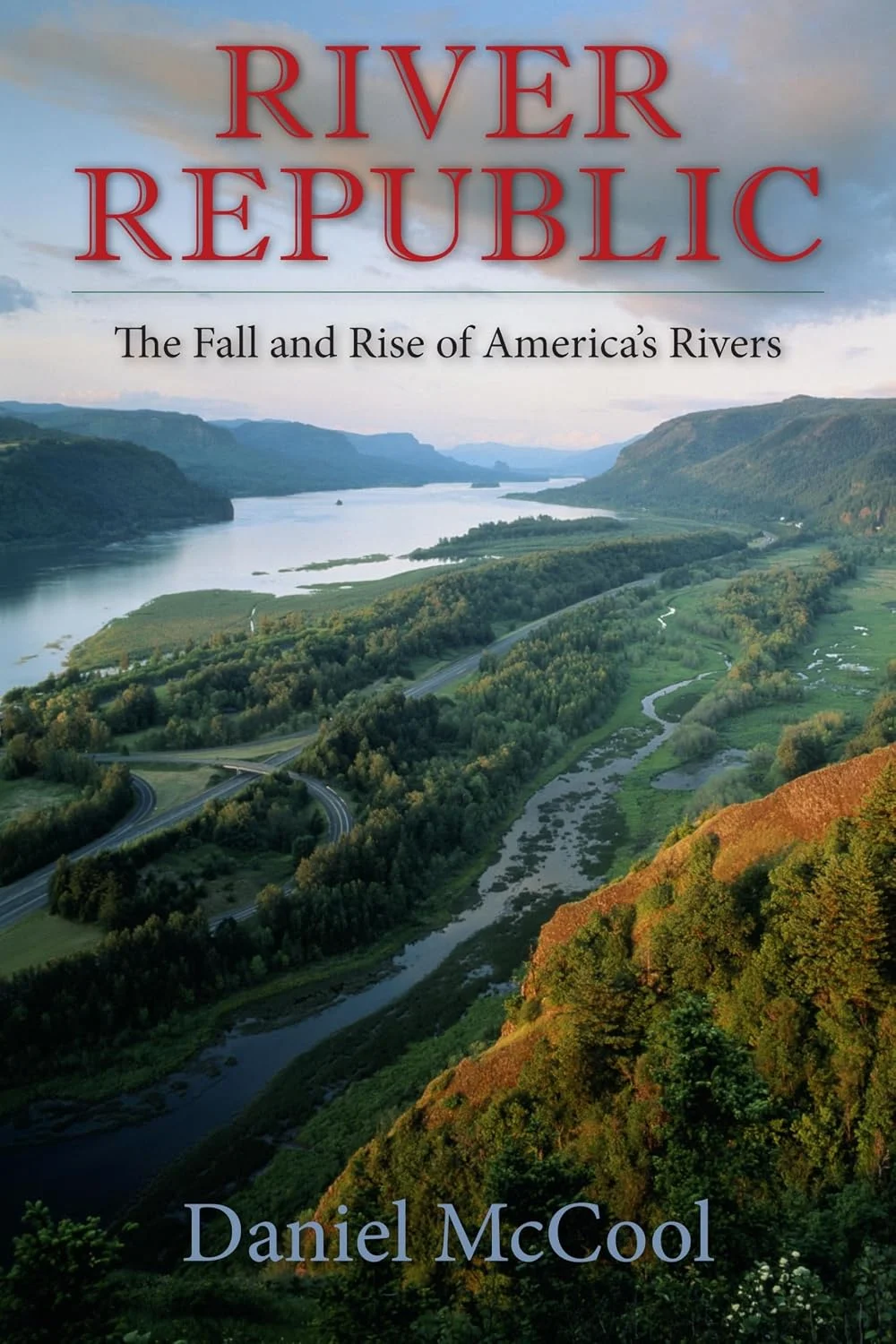
Author and professor Daniel McCool grew up exploring the rivers, creeks, and streams near his Indiana home. When his career took him to the West, his fascination with flowing water continued to grow. In 2012, he wrote about the value of rivers and the troubles with modern river management in his book, River Republic: The Fall and Rise of America’s Rivers. In this podcast, McCool and I take a deep dive into the world of rivers and talk about the past, present, and future of our relationship with them.
We cover topics including the history of dam construction and the limitations of dam-building for addressing our water problems and how our river management policies have typically ignored environmental and social costs. We talk about water policy and the challenges of managing limited water resources in the West, then meander into a discussion about the far-fetched proposals to build giant pipelines to move water from the Missouri and Mississippi Rivers to the West.
We also discuss the cascading consequences of engineering the Mississippi River, and the challenges of changing policies that benefit a small number of people but that don’t have much impact on anyone else. Thousands of dams in the US are well past their expected lifespan now, so we talk about the difficult decisions ahead about what to do with those obsolete structures. We touch on a couple of high-profile examples of dam removal and the emerging science of river restoration, then finish with a few thoughts about how we can get more people involved in making decisions about river management. If you’re a fan of rivers, like I am, this episode is for you.
Show Notes
Daniel McCool/University of Utah
- Author of River Republic: The Fall and Rise of America’s Rivers
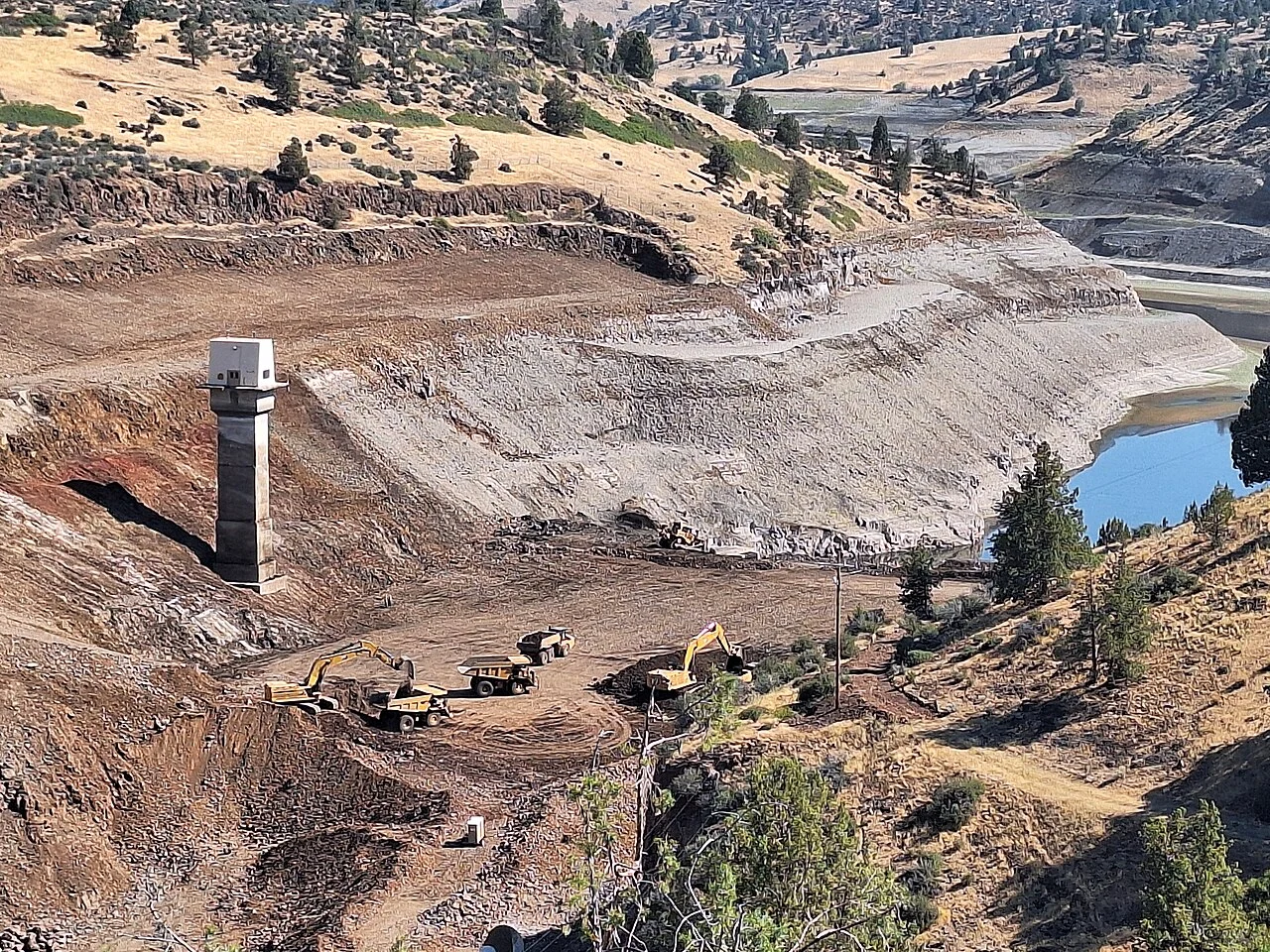
Find out more about the Klamath River dam removals:
Support the Show
If you are enjoying the podcast, please consider showing your support by making a one-time contribution or by supporting as a regular contributor through Patreon. Every dollar you contribute makes it possible for me to continue sharing stories about America’s Greatest River.
Don’t want to deal with Patreon? No worries. You can show some love by buying me a coffee (which I drink a lot of!). Just click on the link below.
Transcript
87. Daniel McCool on the value of rivers
Sun, Oct 25, 2026 1:53PM • 1:28:44
SUMMARY KEYWORDS
River management, Water policy, Dam construction, Dam removal, River restoration, Water scarcity, Colorado River, Mississippi River, Environmental costs, Social externalities, Water ethics, Native rights, Sediment transport, Economic benefits, Water law
SPEAKERS
Daniel McCool, Dean Klinkenberg
Daniel McCool 00:00
I think you’ve made a really, really good point, and part of the problem was both the U.S. Army Corps of Engineers and the U.S. Bureau of Reclamation used cost-benefit formulas that didn’t include all the negative environmental externalities or the negative social externalities. They would just look at short-term gains and say, “Look, we’re going to spend $50 million and get $100 million in benefits. Let’s build this project.”
Dean Klinkenberg 00:55
Welcome to the Mississippi Valley Traveler Podcast. I’m Dean Klinkenberg, and I’ve been exploring the deep history and rich culture of the people and places along America’s greatest river, the Mississippi, since 2007. Join me as I go deep into the characters and places along the river, and occasionally wander into other stories from the Midwest and other rivers. Read the episode show notes and get more information on the Mississippi at MississippiValleyTraveler.com. Let’s get going.
Dean Klinkenberg 01:27
Welcome to episode 87 of the Mississippi Valley Traveler Podcast. Well, if you know me, if you know me at all, you know that I have a deep affection for rivers. I really love spending time on flowing water. Last year was kind of peak river for me in some ways. We got to spend time on five different rivers in southern Africa: the Tsiribihina, Orange, Okavango, Chobe, and Zambezi. And each one offered a different experience. And you know, if you know me, you know I loved every minute of that. Why? Why do I love rivers so much? Well, they’re deep, complex worlds with so many interconnected and interdependent parts, and that complexity creates and supports a dizzying variety of life and life in abundance. River systems face disruption is a fact of life. It’s just part of the routine, and while some of those individual parts may suffer, the system as a whole finds a way to adapt and rebound.
Dean Klinkenberg 02:32
Rivers are essential to maintaining life on this planet, and they’re good for human health. They’re good for us. Not only do they provide drinking water, but time along a river for many of us is calming and builds a sense of connection to the larger world around us. But we’ve generally viewed rivers as something we extract value from, maybe drinking water or water to move bulk goods or water for irrigation, for example, or worse, we’ve seen rivers just as an inconvenience, something we need to bridge or constrain. In the West, rivers especially have, I think, been viewed in especially narrow terms and defined very strictly by their economic benefits, though only those economic benefits we can confidently measure. It’s no wonder so many of our rivers are are in rough shape these days.
Dean Klinkenberg 03:27
But lucky for me, I’m hardly the only person who values rivers beyond the numbers in a spreadsheet. In 2012, Daniel McCool wrote “River Republic: The Fall and Rise of America’s Rivers.” He and I share a passion for rivers and flowing water that stretches back to childhood experiences for both of us. So naturally, I invited him on the podcast to talk about the past, present, and future of our rivers and streams.
Dean Klinkenberg 03:55
So in this episode, we cover a wide variety of topics, including the history of dam construction and the limitations of dam building for addressing our water problems and and how our river management policies have typically ignored environmental and social costs. We talk about water policy and the challenges of managing limited water resources in the West. Something I really don’t know that much about. So that was an interesting discussion for me, and then we meander into discussion about this far-fetched proposal that seems to pop up from time to time to build giant pipelines to move water from the Missouri and Mississippi rivers to the west. And he makes it clear this is not just a fantasy; this is a an actual serious idea being proposed in some communities out west.
Dean Klinkenberg 04:43
We also discussed the cascading consequences of engineering the Mississippi, and the challenges of changing policies that ultimately benefit a small number of people, but benefits them very much so. But those policies ultimately don’t really have much impact on anyone else. It’s a challenging policy situation. We touch on the fact that there are thousands of dams in the U.S. today that are well past their expected lifespan, and we’re going to have some difficult decisions to make ahead about what to do with those obsolete structures. Then we’re going to talk about a couple of high-profile examples of dam removal and the emerging science of river restoration. Then we finish with a few thoughts about how we can get more people involved in making decisions about river management. So, if you’re interested in rivers, if you’re a fan of rivers like I am, I think you’ll really enjoy this conversation.
Dean Klinkenberg 05:34
Thanks to those of you who continue to show me some love through Patreon, your support makes me feel good and keeps this podcast rolling along. For as little as $1 a month, you can join the Patreon community. To do so, go to Patreon.com/DeanKlinkenberg. Patreon not your thing? Hey, buy me a coffee. That also helps keep this podcast going. Keeps me fueled with caffeine that the that fuels the creativity, the ideas, and the conversations featured in this podcast. To buy me a coffee, go to mississippivalleytraveler.com/podcast, and you’ll find instructions there on how to do so.
Dean Klinkenberg 06:16
At that same place, mississippivalleytraveler.com/podcast, you’ll also find a list of all previous episodes of this podcast. Click on one to listen to it. You can binge your way through all 86 previous episodes, and through those clicks, through those links, you’ll also find access to the show notes. I often post links to guest websites and a few photos, along with a link to listening to the podcast. So check that out.
Dean Klinkenberg 06:48
All right, let’s get on with the interview. Daniel McCool discovered the joy and beauty of flowing water early in life as a child in central Indiana, exploring the nearby creeks and rivers. His appreciation for them grew and deepened when his career took him west. After completing a graduate degree in Arizona, he landed a position in the political science department at the University of Utah, where he focused on water resource development as well as voting rights and Native American water rights. He’s the author of several books, including “River Republic: The Fall and Rise of America’s Rivers.” Dan, welcome to the podcast.
Daniel McCool 07:36
Thanks for having me. Good to talk with you.
Dean Klinkenberg 07:39
I’m really looking forward to this conversation for a while, as it’s fun to have somebody to geek out with over rivers in general. I’m sort of curious. Like, tell me a little bit more about your your history with rivers. How did you get so interested in rivers that you wanted to write a whole book about them?
Daniel McCool 07:57
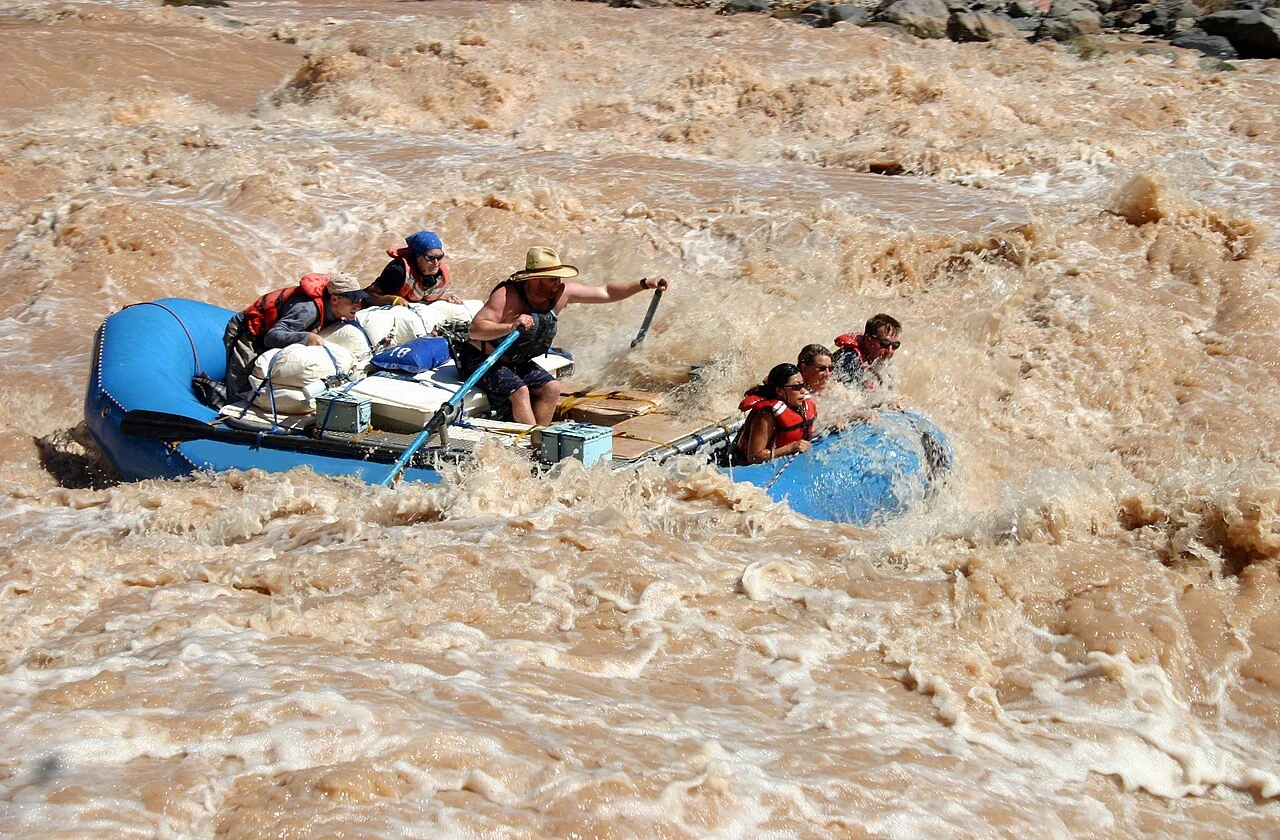
Well, I grew up in a in a suburb outside of Indianapolis, and there’s there’s no real very little public land or open space in central Indiana. It’s suburbs and hog farms and cornfields, but the one the one thing that was still relatively wild was the the local creeks and rivers. They haven’t been developed. They have a riparian corridor, and it didn’t take long to discover that you could walk up and down the banks often for miles in a remnant forest. The riparian buffer zone. Usually, people don’t build in it because of flood zoning. Although sometimes they do, and and you know we see the foundations of the their former homes, and then we, me and a couple other guys from the neighborhood discovered we could we could build rafts and actually go quite a ways down a river, and you don’t need a driver’s license for that. You just need the ability to swim in case things don’t work out, and and so it was really fun. And then I moved to Arizona, and rivers are rare, and and that makes them even more precious. So I realized then that being on a river was a actually a unique and valued experience, and I ended up buying a raft and getting into white water rafting, and and I’ve I’ve done that most of my adult life, but I also love a peaceful day in a canoe on a on a flat water. So. It’s a, it’s all good. It can be thrilling and and kind of life threatening in some situations when there’s a lot of high water rapids, white water. But it can also be kind of salve for the soul and very relaxing and and just a wonderful way to spend some time. So, my wife likes to do that. My son likes to do that. So, it’s a family family affair.
Dean Klinkenberg 10:32
Fantastic. I like you. Had I grew up mostly in suburbs, but during one period of my life, grew up in suburban Kansas City, there was a creek nearby, and used to spend a lot of time wading through that creek and looking for crawdads under the rocks and just enjoying time walking along the creek. I imagine there are a lot of kids who grew up in the Midwest and maybe the South and New England as well who had similar experiences. But I can’t imagine what it’s like in a more arid place. I’ve grown up with rivers and creeks all around me, and taking taking that for granted, essentially. And when you went out to the west, that must have been a real mindset change. Living in a place where water wasn’t so easily accessible,
Daniel McCool 11:19
it was. But it was something I had wanted to do since I was a small child, and I love desert rivers. They’re unique. We still have a lot of public land out here, so there’s a lot of rivers that have white water, and it’s public land on both sides of the river, so you can camp and you can hike the side canyons. So, I was really anxious to move out west and and explore canyons and deserts and and the rivers they have out here. And yeah, we have less precipitation here, but the rivers are exciting, and they flow through national parks, national monuments, and wilderness areas, and all kinds of of exciting places. So this is a great place. If if you love rivers, even even though I live in Utah, it’s the second most arid state, there’s there’s great rivers here.
Dean Klinkenberg 12:31
So what helped you make the leap then from sort of enjoying being around rivers to wanting to study policy around rivers and river management?
Daniel McCool 12:42
Well, I owe it all to Vine Deloria Jr., who’s a Native American author, and he was a professor in the political science department at the University of Arizona. And I admired him and his writing, and he gave me some very sage advice. He said a lot of stuff that political scientists write about is pretty much non-relevant to anybody outside of political science, and he felt like that was a waste of time. I don’t entirely agree with that assessment, but he had a point, and he said, “Find a couple issues that are really important where additional research might make the difference between improving and not improving public policy, and spend your life doing research on that.” And I was in Arizona, and I looked around, and I said, “Well, looks to me like the two policy areas that are in dire need of improvement are American Indian policy and water policy. They’re both exceedingly problematic, often unfair, unjust, short-sighted, foolish, and I thought that these are the two topics I want to do research on, and I couldn’t pick between the two, so I just made a career out of a bifurcated research agenda, and I I have two books coming out on Native American voting rights, and they’ll they’ll be done in a few months out out this coming year, and and and the next book’s going to be on the Colorado River. So I like to switch back and forth from elections to rivers, and of course they’re related. If if you want to see who gets the water, see who shows up at the polls and who gets elected. So they’re they’re not entirely divorced.
Dean Klinkenberg 14:49
Right. Well, I hope we have a chance to get into a little bit more of like the water policy stuff too as we get a little further into this. But but for now, I I’m really interested in kind of taking a step back and sort of retracing some of the attitudes that have shaped the way our views toward rivers and the way we think about managing rivers, and maybe we can contrast that some with the views of indigenous people around water and rivers. So, so let’s start with what what kinds of ideas did Europeans bring here about the value of rivers and our relationship to rivers?
Daniel McCool 15:24
Well, the the water law we had adopted from European codes, every everything from the Napoleonic Code to English Common Law, was a good one, and it stressed it’s called the riparian doctrine, and the Riparian Doctrine is a sharing doctrine among landowners whose land is adjacent to a watercourse. And basically, it means you have to be considerate of your neighbors, and if you take too much water and you harm them. You’re not. You’re not being a decent human being, and and the law recognizes that that damages society in the long run. And that was a pretty good way to divvy up water in terms of water quantity. In terms of water quality, our Euro-American heritage was not so positive. There, the attitude was a river is the perfect dumping ground for every abattoir, every sewer, every every source of filth that cities and farms produce, we will just dump it in the river, and that that meant that riparian areas, especially in urban areas, were the least attractive, the least desirable. They they stunk. The riverbanks were often nobody wanted to live there unless you were just desperate. And we turned our backs on rivers.
Daniel McCool 17:17
And then we decided that the best way to control rivers was to start damming rivers, and sometimes dams are good, and sometimes they create more problems than they’re worth. The problem is, for the first 100 years of this country, the idea was that all dams are good in all situations, and right now, I think we’re up to about 90,000 dams over 25 feet high in this country. There’s 2.5 million smaller dams, so the idea of damming rivers really took hold, and there’s some great short-term benefits to that, and some very significant long-term costs. All dams are temporary; they’re engineered structures. They don’t last forever. They have a great deal of pressure, so it’s a it’s a dynamic unit. It’s not like a a Roman ruin just standing there on the land, there’s always going to be pressure on it. So they’re going to fail. And most of the dams we’ve built over the last century and a half are now well beyond their engineered lifetime, and will either have to be removed or replaced. The replacement cost for all those dams is off the charts. It it would be staggeringly expensive. So we’re going to have to wean ourselves from the idea that we need 90,000 dams and and they service.
Daniel McCool 19:00
So we had some good ideas along the way, but we had some bad ideas along the way. And then, when you come out west, the first people to get here were farmers and miners, and they developed a unique water law that exclusively benefited them, called the Prior Appropriation Doctrine, and it’s kind of the opposite, very opposite of the Riparian Doctrine’s idea of an equitable sharing. Prior, my nickname for the Prior Appropriation Doctrine is the “The Hell With You Doctrine.” You’re you have a a previous an early appropriation water right. You usually filed with a state engineer, state office. You’re entitled to, let’s say, 10 acre feet, and you’re you’re on a on a stream that often has 20 acre feet on it, and then one year you have a drought, and there’s only eight acre feet, and there’s other farmers downstream or upstream, even upstream, who also have a water right, but they filed after you, so you have the senior water rights claim. You get your entire allotment of water, which would be the entire stream. So if you have a 10 acres claim to 10 acre feet, an acre feet it’s a you know a unit of measurement of the quantity of water, an acre flooded to a depth of one foot, about 325,000 gallons. The other farmers are out of luck; they get nothing, and you get your entire allotment. I think that worked well in in the early pioneer years, today it’s a terrible idea in a West where there’s water shortages and there’s a whole lot of people. And sharing water is absolutely essential if we’re going to solve our water problems.
Dean Klinkenberg 21:22
Wow. so all right. Let’s step back for just a second to the dams. You did say that there are sometimes you think they make sense, and many times that they don’t. What are some of the situations where it makes sense, or where it’s a good idea to go ahead and build dams, and the building the dam building area is basically over here, but it’s not over in the rest of the world. China is still building massive dams. Other countries in Asia, there’s a dam building boom along the Mekong River now, I believe. So when when does it really make sense? When is it a good idea to build a dam?
Daniel McCool 21:59
I think urban water supply is a sensible reason to build a dam, and they make sense. Now, all dams are temporary, so they have to be replaced. They all dams fill with sediment, so they they have the sediment has to be removed if the dam’s going to remain vital, and of course dams don’t make it rain. So you can build all the dams and pipelines you want, but they do not create precipitation. Dams and pipelines move water and change the timing of delivery. They do not create water, and they can’t make it rain. So dams solve one the problem of timing and storage, but they don’t solve the problem of drought or climate change. Dams only work if there’s enough water behind them that they can actually hold back some water.
Daniel McCool 23:01
We built a lot of dams early on on the East Coast, especially to power things like mills. So we were powering sawmills and grist mills and all kinds of at in that era that made a lot of sense. The problem with all that is that we destroyed anadromous fish runs all along the eastern seaboard. Anadromous fish are fish that breed in in fresh water but mature in salt water, so they lay their eggs, and the eggs hatch in a in a river someplace or a lake, that if it has an outlet to the ocean, and then they go downstream as hatchlings and fingerlings, and they go out into the ocean and they mature, and then later in life, most not but not all of them, at the end of their life cycle, they come back to where they were spawned, and the process begins anew. If you stick a dam in the way, that destroys that.
Daniel McCool 24:16
So, in many cases, we were building dams to divert water to grow grain crops, and in doing so, we eliminated an excellent source of healthy protein. So we substituted a really good source of food for a really unhealthy source of food, and now it’s not surprising we’re one of the least healthiest developed countries in the world. I just read an article about our declining lifespan in America, much of it due to poor diet. Diet and health. So we we destroyed one thing to create something else, and the problem with the dam building development mentality is that it doesn’t make these comparisons. It doesn’t count the loss of anadromous fish run, or its impact on health as as a cost, and of course, as our health gets worse, the federal budget crisis gets worse because a large part of our deficit spending goes to Medicare and Medicaid, and it covers a lot of expenses. By some calculations, half of all medical expenditures in the United States are self-induced. They’re due to bad diet, lack of exercise, poor quality food, junk food, smoking, excessive alcohol consumption, drug abuse. So all that just drives up the federal federal deficit in each year, and an accumulating federal debt, which then means there’s no money left to solve the problems that we’ve created by building all these dams and the way we approach this. So, so it’s there’s a like a downward loop spiral involved in all this.
Dean Klinkenberg 26:38
It seems like that was part of the European heritage about you know that we inherited from our European ancestors with rivers as well as there was kind of there was basically an extractive attitude I think toward nature and toward rivers that we take what you know they’re there for our taking for us to take some specific benefit out of it whether it’s the fish are using it for power. So I’m wondering, like, how did that contrast with other views of rivers, particularly for the indigenous people of North American? What what would their relationship to rivers have been like pre pre European times, pre colonial times?
Daniel McCool 27:21
Yes, I think you’ve made a really, really good point. And part of the problem was both the U.S. Army Corps of Engineers and the U.S. Bureau of Reclamation used cost-benefit formulas that didn’t include all the negative environmental externalities or the negative social externalities, they would just look at short-term gains and say, “Look, this we’re going to spend $50 million and get $100 million in benefits. Let’s build this project.” Well, if if you look at it in the larger picture, like that, for example, whitewater recreation, which is huge out here in the West, right? It’s just huge. There, there is no calculus for the bureau and the court for that. If you destroy a set of rapids and destroy whitewater, they don’t even recognize it. It’s not even part of their calculation. So the way federal agencies behave reflect that attitude that we should just exploit rivers, extract whatever we want, and abuse rivers, and and the consequences are negligible. And you can do that when there’s a couple million people on the continent. You can’t do that when there’s 340 million people on the continent. The negative externalities pretty soon completely overwhelm the system, and that’s what we’re seeing today. All the every major river system in the West now is in crisis. I I think it’s safe to say the Mississippi has a crisis. The Edwards Aquifer in in Texas, it’s got a crisis. It it it’s all in crisis. So that mindset that we can just exploit it and ignore the negative externalities is is now coming back to to haunt us in a big way, and there there is a a different mentality or ethic.
Daniel McCool 29:39
There there’s there’s a growing literature on water ethics. I contributed a chapter a couple years ago to a book on that. And water ethics, the new water ethic, which largely reflects a lot of the Native American perspective, stresses sharing, collaborative decision making, holistic planning and management. Looking at rivers as systems, not as separate units to be exploited, and including all the negative externalities that can be associated with traditional forms of water development. So a much more expansive look at the systems of rivers and how they serve humankind in the long run is a very different approach than the old traditional approach. It’s it’s very different, and if you want to put this in sort of a conceptual framework, what really happened is that all of our water laws, our water agencies, our government policies, our mental mindset, our ethical considerations around water, all developed in a period of surplus, where there was plenty of water to go around, and and there was plenty of federal money to be had. Water turned out to be just a great pork barrel expenditure that politicians could get up on the stump and say, “I’m going to bring you a dam or a levee or or a harbor or some kind of goodie,” and it worked very well for for that. That works great under conditions of surplus. The problem is, we’ve now switched to an era of scarcity, and none of our laws, our policies, our mentality, our ethics, the way we view rivers matches an age of scarcity. It’s it’s wholly inappropriate. That that’s that’s why we’re in crisis.
Dean Klinkenberg 32:13
So is it just the increasing population that has created the scarcity, or more people demanding more water? What are some of the factors that are really feeding that are creating the scarcity in your mind?
Daniel McCool 32:24
Two things: increasing population and a very high level of per capita water consumption. We just we use a huge amount of water on a per capita basis, our industries endlessly use enormous amounts of water. the The current issue is data centers. At data centers, yes, they consume extraordinary amounts of electricity. They also require water. So when they say we’re we’re going to build a data center in Central Arizona, which they just did. In a place that’s in abject water crisis, that’s just crazy. That that’s a crazy place to build a data center.
Dean Klinkenberg 33:18
Water’s got to come from somewhere for that.
Daniel McCool 33:20
Yeah. Well, the politicians liked it. The land was cheap, and they let them get away with it. Yeah, they’re they’re going to pay a big price for that. That there there are real disadvantages to that.
Dean Klinkenberg 33:34
I know we hear about this occasionally here, like because of the particularly the the scarcity, the fight over water, access to water in the West. Occasionally, we hear reports about proposals to build giant pipelines to tap into the Mississippi and Missouri rivers and move water. I’ve always wondered, like, are these like serious proposals, or are these just things people are popping off about casually, but there’s no real motivation or no no momentum behind it? Or is this really something people are seriously considering pushing for?
Daniel McCool 34:14
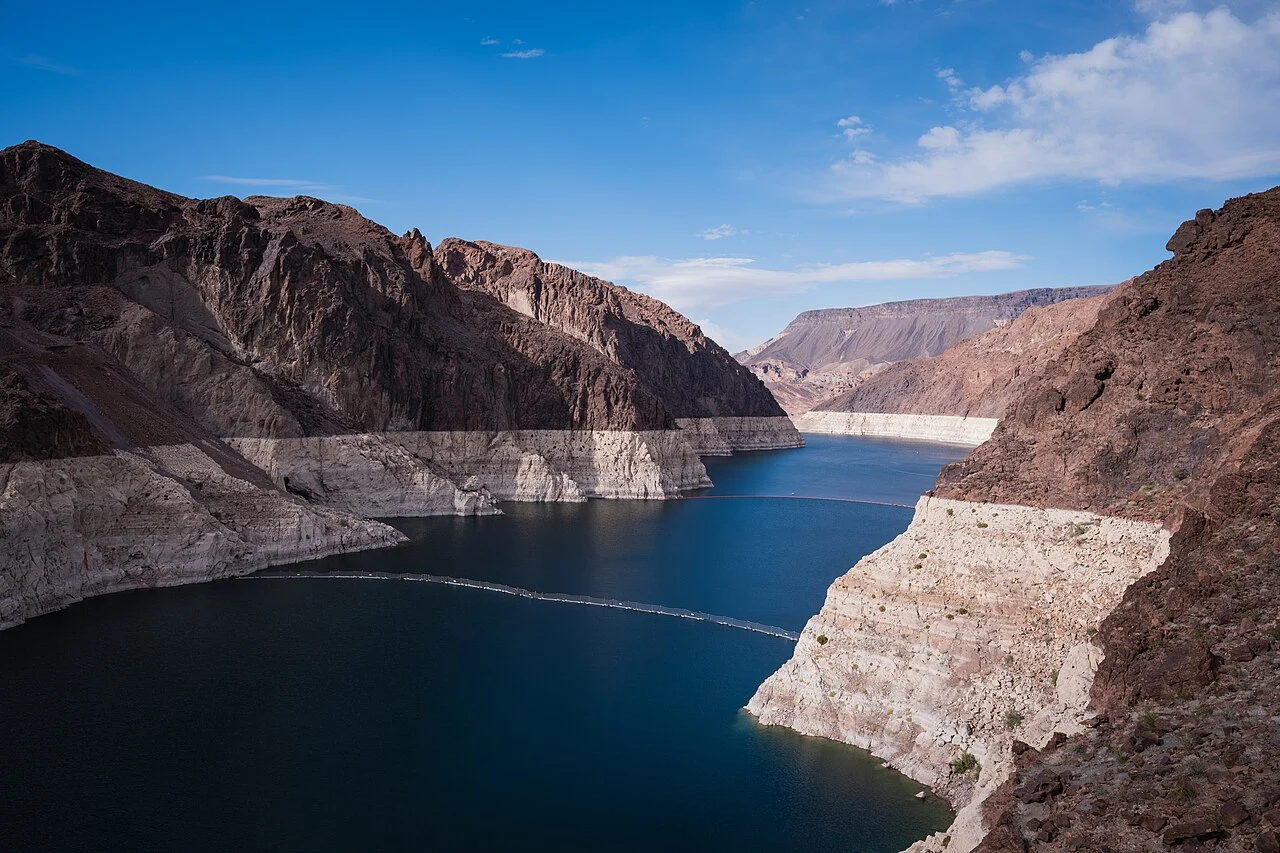
They are, and and they’ll do it with a straight face. I was at a luncheon with the former director of the Southern Nevada Water Authority. She was a quite a major figure out here in in water, and she said her plan for Las Vegas. Las Vegas has a a water right to the Colorado River of 300,000 acre feet, which is really small. That that’s like 300,000 acre feet for Las Vegas. California has a right of 4.4 million acre feet. So the the entire city of Las Vegas depends on sucking water out of Lake Mead. They just spent well over a billion dollars to put another pipeline into Lake Mead because the other two, one of them’s already high and dry, and the other one due to low water in Lake Mead, it’s at about 25% now, will soon be out of water. So they basically put in a bathtub drain to sucks water right from down by the dam. So that you know they’re going to go out partying right down to sucking the last little drop out of that. They spent a billion dollars, and her answer was simple: We’re just going to build a pipeline to the Mississippi, and the federal government will pay for it because they’d never let a major city like Las Vegas go belly up and and turn into a ghost town, and that’s how we’ll solve our problems. And the other thing they’re going to do is build desalinization desalination plants along the California coast, and then California won’t need all their water and Denver and Salt Lake and Cheyenne and the Rio Grande and Phoenix and Tucson will all have a greater share. These are outrageously silly, expensive ideas, and they’re so silly that they no longer actually talk about them directly. They use a euphemistic phrase called augmentation.
Daniel McCool 36:45
So you’ll see Western water makers say, you know, we have conservation and possibly a couple more dams and greater storage. And then in the future, we have augmentation. And when you press them, they’ll say, “Well, that means additional water supplies from outside the basin.” Well, like where? And before you know it, if you keep pushing them, because they know this sounds absurd, but they they still, oh, we’re going to take water out of the Columbia, or we’re going to tow icebergs down, or we’re going to take water out of the Missouri or the Mississippi, or we’re going to pipe water from the Great Lakes. These are projects that are are in the 10s of billions, if not trillions of dollars, allegedly going to be financed from by a federal government that’s going broke, that’s $41 trillion in debt. All because Western water policymakers don’t want to admit a fundamental truth that they are simply living beyond their water budget and all their plans to double the population and build suburbs all the way from Salt Lake to Phoenix cannot possibly happen. You cannot have infinite growth in a finite system, and you cannot solve non-incremental problems with incremental solutions. That’s the predicament we’re in today.
Dean Klinkenberg 38:31
Hey, Dean Klinkenberg here, interrupting myself. Just wanted to remind you that if you’d like to know more about the Mississippi River, check out my books. I write the Mississippi Valley Traveler guidebooks for people who want to get to know the Mississippi better. I also wrote “The Wild Mississippi,” a guide that goes deep into the complex ecosystems supported by the Mississippi, the plant and animal life that depends on them, and where you can go to experience it all. If you like fiction, check out my Frank Dodge mystery series. Each book is set in places along the Mississippi River. My newest book is a travel memoir called “Better Safe Than Sorry: Slow Boats, Chicken Busses, and the Radical Choice to Trust the World.” The book explores a simple question: What happens when you stop asking “What if something goes wrong?” and start asking, “What if everything goes right?” Find out more at deanklinkenberg.com/bettersafethansorry.
Dean Klinkenberg 39:33
I know this is not a something that has a quick answer, I’m sure, but I don’t understand how we how the West gets out of this. I agree. Like the the idea of building pipelines from the Great Lakes or the Missouri, Mississippi rivers so extraordinarily expensive. They they can’t afford to do that themselves for the state level. You know, each of these states it would be prohibitively expensive. I don’t see the federal government having the money to do this either. What? How? How is the West going to manage itself out of this? Especially now that they have a whole bunch of people living there who expect access to relatively inexpensive water, who’ve grown used to living there, who probably will vote in a way that you know who vote for politicians who promise to preserve their lifestyle. What’s the way out of this?
Daniel McCool 40:24
So, in the Colorado River Basin, for example, let me just note that the the federal government just issued a record of decision regarding future cutbacks because the river is flowing at a small fraction of what the law is based on. The law grossly overestimated how much water was in the river, and then divvied it all up and said, “Oh, you have a right to this, and you have a right to this, and you have a right to this.” And they gave away a lot more water than is actually even historically in the river, and now with climate change, there’s less flow, and it’s hotter, so there’s more evaporation. There’s a whole lot less water. They just issued a record of decision, and it included drastic cutbacks for Nevada, California, and Arizona, and Nevada and just announcing, I think yesterday Arizona are suing, and I fully expect California has some different issues. So they’ll, I think they’ll file a separate lawsuit at some point. I’m I’m making a prediction here, but but the law of the river that governs the Colorado is coming apart at the seams. They’re they’re at each other’s throats.
Daniel McCool 41:51
About 75 to 80% of the water in the basin is used for agriculture, and a very significant portion, more than half of that, is to grow low low value crops like hay and forage, and we actually ship a great deal of that. We grow the hay and we ship it to China, Japan, Saudi Arabia buys some, mostly China. China’s actually come to Utah, and and they’re buying up hay farms. We actually have China directly buying the hay farms, for so we and it’s all done with subsidized water. So we are subsidizing the hamburgers and steaks of people in China, people that again, if you take the macro view and you start looking at this thing and all the different elements of it, you start seeing some disturbing patterns. So there will be a dramatic push to take more water from farmers. What that will mean, and this is already happening, farmers could get quite rich selling their water. Right now, there are a lot of limits on farmers selling their water. I think we’ll see those limits change, but what’s happening is that the the 2%, you know, the the tech bros and the wealthiest 2%, the investment gurus, they’re buying up farms all over the West with the idea of making a killing when they can sell the water. They’re not interested in farming; they’re interested in water marketing. So. so that’s going to be a source of water, but it’s going to be a very expensive source. And they absolutely they’re they’re not buying this water because they’re worried about the public welfare. They’re buying it because they they hope to get an outrageously high price on it some at some point, and the water use users are going to pay for it. So the days of really cheap water are coming to a close. We don’t realize it yet. We’re still paying a pittance for water, but it’s coming to a close.
Daniel McCool 44:22
The other source of water is Native Americans. You know, all over Western states, they have significant water holdings as a result of court cases, litigation, and statutorily statutorily approved settlements, and there will be an effort to either steal, and and I use that word in a very literal confiscate it. We confiscated their land in the second century, claiming it’s necessary for development growth. And we already have politicians, especially in Arizona, talking about how we should just confiscate water from Indians. They don’t, because they don’t need it, and we do. And you know, we’ve we’ve got the superior society, so we should just take their water. We’ve put stringent limits on on the ability of Native Americans to sell or lease their water, I think we’ll see a relaxation of that. I think that’s a good thing, so that tribes, if they so choose, at their own volition, could become quite wealthy as water marketers, and I think I think that’s another possibility. So that’s the only two viable sources. But you have to understand that when we say we’ll just produce less agriculture, that that’s the solution. That’s also the solution in the San Joaquin Sacramento River Delta and river basins.
Daniel McCool 46:10
The Central Valley of California produces a huge amount of our food, the especially winter fruits and vegetables and nuts, healthy food. The Imperial Irrigation District in the Colorado River Basin, Southern California, they produce a significant percentage of our winter fruits and vegetables. If we eliminate that, we are eliminating a fundamentally important source of food in this country, and the Rio Grande is also in crisis. So they’re talking about eliminating agriculture. The Ogallala Aquifer, which is the bread basket of America, is in dramatic decline, and everybody, including the farmers who are deep well irrigating there, recognize that their days are numbered when there’s not going to be any wheat and corn and soybeans produced in the Ogallala Aquifer. So that’s a very dramatic loss of food supply. So we’re talking about multiple regions of the country that will no longer be able to produce the food to sell to all those subdivisions that are growing like a cancer in cities like Las Vegas. I mean, it’s stunning to go look at it. It just goes on and on and on. Phoenix now has a greater land area, landmass than Los Angeles. It just goes on forever. There’s virtually an almost continuous stretch of subdivision from Tucson up to Phoenix, up to Kingman, up to Lake Mead. I mean, the the amount of growth and development is off the charts. Growth here in Utah is so extreme that housing housing prices now are are astronomical because even with developers controlling the legislature, they have all the laws are in their favor. We give them everything they want; they still can’t build houses fast enough. Salt Lake’s now the I think the seventh most expensive real estate market In America, not that far behind New York City.
Dean Klinkenberg 48:47
Wow.
Daniel McCool 48:47
I mean, the growth. This growth is not sustainable. It cannot go on. There’s not enough water to supply all these endless subdivisions and still produce a food supply that is reliable and healthy in America.
Dean Klinkenberg 49:07
Right. There’s so much. It sounds to me like a recipe for armed conflict at some point. Like there’s some there are pretty big stakes involved in all this, and I’m sure the tempers must flare at public meetings and talking about some of these issues, it sounds like people just need to come back to the Midwest. Yeah, they need all those snowbirds who left Minnesota and Wisconsin. You know, they need to just come back home.
Daniel McCool 49:31
I’ve I’ve always argued that cities that are losing population, like Memphis or Detroit, Philadelphia, New York’s population. They all need to put up billboards outside Phoenix and Las Vegas, and it says, “Welcome to Las Vegas. Bring your own water, or you could move to Detroit. You could buy a house for a tiny fraction of what it’s going to cost you here, and there’s actually a reliable source of water into the distant future, unlike here. And we don’t have dust storms because we’ve desiccated the desert, lowered the water table, and we don’t have usually don’t have smoke from wildfires, which is because the forests are are dying and drying up. So, for quality of life, move back here.”
Dean Klinkenberg 50:30
Yeah, come on back.
Daniel McCool 50:31
Yeah, nobody’s taking me up on that. Yeah, I haven’t seen that that billboard, but I’m sure they would outlaw it immediately in Nevada if they did.
Dean Klinkenberg 50:40
Probably so. In your book, “River Republic”, you did meant you you do have quite a few chapters that touch on the Mississippi. So maybe we should shift to and talk a little bit about that. I’m just sort of curious as somebody like who isn’t really from, who isn’t invested so much in the Mississippi specifically. What was your impression of the decisions that we’ve made around engineering and and management of the Mississippi from the time that you spent studying the issues?
Daniel McCool 51:13
The issue of levees is a really clear demonstration of the point I’m making about solutions that solve a temporary problem but have long-term negative externalities. So, if you build, if you levee a certain part of the river, it means it’s going to flood where there aren’t any levees, so then every jurisdiction has to build a levee. So levees beget more levees.
Daniel McCool 51:48
So pretty soon you’ve got multi-trillion-dollar levees going all the way up, which is what they have in the Lower Mississippi. That the entire thing is now leveed. So that leads to a host of problems. When you entrap a river in a narrow channel, the velocity increases, and the scouring increases. So pretty soon, you you have a very deep channel. The Mississippi River outside of New Orleans is is deeper than the ocean bottom there, so then you have saltwater intrusion. It scours the banks and the levees, so then you have to build revetments, and the soil that used to replenish the soil no longer flows out over the land to make it fecund. It flows out into the delta and into the ocean. So then you have to use more and more fertilizer to grow crops. Well, the fertilizer goes down the river, goes out in the delta, and makes a giant dead zone.
Daniel McCool 52:58
So once again, we’re growing soybeans and corn in the Midwest, and the runoff from that has killed off a major portion of a critically important seafood industry. A healthy form of protein eliminated, so we could grow more green crops, and the height of absurdity to grow corn for ethanol, which which is just stunningly irrational, and only exists because of huge federal subsidies, just just sugar daddy payouts to the tune of tens of millions of dollars to a handful of companies.
Daniel McCool 53:44
So all those negative externalities in the Mississippi River now are are multiplying. So what we end up with are fixes for the negative externalities, which then generate a whole new set of externalities. So then we come up with fixes for the fixes, and at this generation, we’re you know we’re doing fixes of fixes of fixes of fixes, and each one there’s a larger package of negative externalities, and and we’re not just talking about environmental impacts, but they’re economic and they’re social.
Daniel McCool 54:29
One of the things that happens with these negative externalities is that it tends to concentrate the costs on the public, especially low income and middle-income people, and it concentrates the benefits in the richest two or three or five 5% of people and corporations. So we’re in in the water polarization, where a tiny group of people control most of the water. Is happening hand in hand with income polarization, where the the 2% are are now far wealthier than the other 98%. Both of those problems lead to long term social unrest, and I I would argue that that often leads to populist revolts. I would attribute Trump’s victories to a lot of people who don’t understand what’s caused all this, but they certainly understand that they work harder and harder, and they have less and less money, and their quality life and their ability to pay their bills is disappearing right before their very eyes, and they’re really angry, and they want to lash out and blame somebody. I I understand that. I I think they picked the absolute worst possible person to do that, the the guy who’s actually a member of the class that’s causing the problems, but you know sometimes when people are, anger seldom makes really good public policy, and I think the Trump phenomena is is one of them. And his solution to all this has been fixes that have very dramatic environmental and social externalities. So it’s it all along the board. It’s to his his policies, his administration is simply making all these problems worse. He he’s part of the reason why he wants to give $8 billion in subsidies to farmers that he’s harmed so so desperately?
Dean Klinkenberg 56:48
He killed our export markets, basically.
Daniel McCool 56:50
Yeah, yeah, yeah. But but farmers are all already reeling from the externalities of all these other problems that we’ve created from a loss of topsoil to dysfunctional markets, the cost of shipping goes down when the Mississippi River can’t barge. The cost of crop storage and silos, the fees skyrocket. So it it’s this cascading effect, and it’s it’s very complex because it’s a web where this thing affects this thing, affects this thing, affects this thing. But at some level, it’s all very simple. People understand that something’s not right with the system, and the middle class and lower class and the working class are going, “somehow I feel like I’m getting ripped off by all this.” And they and they are and they are. This is not a system that works for the 98%.
Dean Klinkenberg 57:54
Right. And I I see this all up and down the Mississippi as well. That you know we have the lock and dam system on the upper part of the river for barges, but if you’re, you know, in Lansing, Iowa, or Prairie du Chien, you get almost no economic benefit from those barges that basically just pass you by. There may be a grain terminal too with a couple of jobs, but there’s very little direct economic benefit to the communities along the upper river from that system, a lot more benefit from recreation and probably from property values that are a little higher if they’ve got a good view of the water. But that shipping system doesn’t really provide much economic benefit. And then on the lower river, those levees didn’t cure poverty in the delta, right?
Daniel McCool 58:43
Right, right. They concentrated wealth. Yeah, they they simply concentrated more wealth. Water polarization goes along with economic polarization. The 29 locks and dams on the upper Mississippi, in my view, were, it was a bad idea when they began building them, and they’re an even worse idea today. It’s a huge public subsidy handout to principally about four or five barge companies, and there’s no way if they paid the full cost of maintaining that channel, the cost of barging would easily exceed the cost of other forms of transportation. The only reason people say, “Oh, barging is so cheap,” is because the taxpayers of America end up footing most of the bill. That river would be much better off as a established, restored riparian riverine national park with tremendous economic potential for recreation and tourism than subsidizing a handful of barge companies. In many cases, it makes so much more sense if you’re growing an export crop in Iowa and you’re selling it to Asia, where most of it goes. If it goes down the Mississippi River, it comes out on the wrong side of the continent. So you got to put it in a ship, and it has to go all the way down through the Panama Canal. If you put it on a train that makes a bee line, 100 car train that makes a bee line to the port of Seattle, it gets there in record time. And I would argue if you include the cost of the public subsidies, the cost to the taxpayers, that’s a much cheaper alternative, and it just makes a whole lot more sense. But they don’t do that. They don’t count the. It’s the taxpayers who end up getting ripped off in the in the in in all these massive subsidies.
Dean Klinkenberg 1:01:01
Well and maybe maybe we’ll come back to this a little bit in a minute too. But part of it, of course, is the incentives are for those people who benefit to protect that benefit. And I don’t know that there’s enough public will, enough public understanding of what it’s really costing, and that cost is dispersed among so many taxpayers. I don’t know that there’s much of a sense that taxpayers are really getting screwed nearly, you know, I don’t think people believe that so much. To me, it’s pretty obvious that it’s a bad deal for taxpayers. But I don’t. I think the barge companies have done a pretty good job of of PR of pushing the value of shipping by river and work very hard to protect those subsidies that keep the navigate keep those barges moving, but there is there are a couple of interesting…go ahead.
Daniel McCool 1:01:48
Dean. Dean, let me just add everything I just said was about the Upper Mississippi. Barging in the Lower Mississippi makes economic sense.
Dean Klinkenberg 1:01:58
Yes, I agree.
Daniel McCool 1:01:59
Yeah, you know that that’s a completely there’s no dams, you know. It’s it’s a levee system. The river itself functions fairly effectively when there’s enough water for a barging system, and that makes economic sense. No no one’s arguing with that. It’s the Upper Miss and a part of the Missouri River is also locked and dammed and is maintained as a waterway. the The principal product moving up and down the Missouri River waterway is materials used to maintain the channel.
Dean Klinkenberg 1:02:40
Yeah.
Daniel McCool 1:02:40
I mean it’s the the economics of that is just ridiculous.
Dean Klinkenberg 1:02:45
Yeah, self perpetuating loop there.
Daniel McCool 1:02:47
Yes. So the phenomena you’re talking about is absolutely true. I call this policy investing. So if you own a barge company and you’re making $100 million a year off a subsidized channel, and if if it wasn’t subsidy subsidized, you’d lose your 100 million dollars. How much of that would you be willing to invest in advertising, in campaign contributions to politicians, in public messaging, in lobbying? That you know, buying the very best lobbyist in Washington to to schmooze with every senator and congressman you can find and make all kinds of promises to him. Well, a lot. You’d be willing to spend millions and millions on that, and then your regular everyday Americans are just trying to get home and make enough money to run their home and pay pay their bills and not miss the next mortgage payment. They’re they’re not thinking about who’s policy investing and who isn’t. They’re they’re thinking about they’re worried about making their bills, so you’re absolutely right. There’s a, I mean, one of the costs of the system is information costs, and people just aren’t aware of these things. If I saw a recent poll and it asked people what percentages of the federal government go to various expenditures. Most people thought the majority of the federal government expenditure went for welfare.
Dean Klinkenberg 1:04:32
Right.
Daniel McCool 1:04:32
Welfare is less than 10% of the federal budget. They had no idea that the the biggest expenditure of the federal government is interest on the debt because we’ve lived beyond our means for the last 25 years. They have no idea. They have no idea that Medicare and Medicare and Medicaid and Social Security are huge. And the other giant one is defense. The controllable expenditure. The annual expenditures controlled by Congress are actually quite small.
Dean Klinkenberg 1:05:06
Right.
Daniel McCool 1:05:06
So people don’t understand how their money, their tax money, is being expropriated by special interests, but they do understand there’s something wrong. That there’s, I think, in innate sense, that their government doesn’t respond to their needs anymore. Which, with I think that’s what fueled Trumpism, and that’s a legitimate concern. I, I think they have they have a point there.
Dean Klinkenberg 1:05:38
Yeah, I agree. From a from a policy or political standpoint, then, like, how do you break this cycle where, like, with the lock and dam system, for example, in the Upper Mississippi, where you have a small number of people who benefit a lot, and most people are either unaware or are not particularly invested in changing that system, but it’s clearly not really the best use of tax dollars from a political perspective how do you break through that and and begin to change that policy?
Daniel McCool 1:06:10
Well, unfortunately, in a democracy, we wait until the crisis hits us, and then we go into crisis management. That’s the least effective, costliest way to deal with crises. But that’s how we do it. And we will stop subsidizing, barging on the Upper Mississippi when the federal government no longer has any money. Now we’ll we’ll stop doing a lot of things that the federal government does that are really good for society, in part because we wasted so much money on the things that are not good for society. So there’s going to be a significant cost of that. And out west, when we look at these situations, my saying is, “Everyone becomes a water reformer when they turn on the tap and no water comes out.” Nobody looks at that and says, “Well, I’m in favor of the status quo.” All of a sudden, they’re going to say, “Well, I’ve never paid any attention to water policy, but I know now that it has to change in very fundamental ways because I don’t have any water, and I’m really mad about it. And and I’m going to change who I vote for.”
Dean Klinkenberg 1:07:32
Yeah, unfortunately, when it comes to things like the lock and dam system, though, like the there’s no direct consequence of that for people. Like if if a lock went out of service and barges started backing up and couldn’t move, they’re they’re moving grains for export, right? It’s not food we’re eating. It’s not like the cost of grocery items are suddenly going to skyrocket because these barges are stuck. You know, it’s going to affect the farmers who are trying to move their grain and those those barge companies. It’ll affect their their bottom line, but the average person won’t feel any real effect from that. So I think that’s part of the struggle when it comes to articulating alternative ways of managing, like the Upper Mississippi, moving away from that system. Is you know they’re just kind of stuck in this place where the people who benefit benefit a lot and are really deeply invested in protecting that, and most everybody else just isn’t affected one way or the other.
Daniel McCool 1:08:23
Yes, yes, and and they’re unaware of it. Yeah, they they just don’t understand it, and and they don’t. I mean, I I read the economic analysis of what the barge channel costs, the maintenance costs, and what it might look like if it was a a linear park in a recreational facility. You could still have shipping. It’d just be greatly reduced. The only thing they’d be shipping then are things that where it really makes sense. I I think those communities along the river would be much better off under the second scenario, but that’s not part of the mentality. The mentality is save our dams.
Dean Klinkenberg 1:09:12
Yeah.
Daniel McCool 1:09:12
We had the same problem on the Klamath. The four dams on the Klamath are gone now. I I wrote about them when they were still in existence. They’re they’re all gone now. The four dams on the Lower Snake River they should be removed. We got pretty close to it, and then Trump got elected and put an end to all that. All the local people kept saying they have signs that say “Save Our Dams.” Well, the the dams don’t belong to local people. The American taxpayer paid for all that. It’s operated by the federal government, and the costs and benefits of those dams are borne by people all nationwide, but certainly all up and down the Columbia River Basin. So there, there needs to be a larger discussion there of the the value and the cost of those those dams.
Dean Klinkenberg 1:10:07
You may be aware of this, but there’s currently the Corps is doing a study, a disposition study for two of the locks and dams in the Twin Cities. They decommissioned, closed the the locks at the furthest north of the end of the system, north of Saint Paul, the two just below Upper Saint Anthony, and they’re trying to figure out what to do with those. And there’s some talk about possibly removing those dams and rewilding that stretch of the Mississippi, which would be mostly rapids, probably at that point. But one of the concerns is one that you mentioned your book again about dam removal. Is what do you do with all that sediment? Because there’s a lot of sediment piled up behind there. It’s an urban area. There’s probably a fair amount of pollution or you know heavy metals or something in that sediment. From what you’ve seen with other dam removal projects, how have they dealt with that that idea of removing or dealing with the sediment that’s accumulated behind the dams?
Daniel McCool 1:11:04
Well, in in this case, and have you seen the pictures of the rapids outside of St. Paul before they built that last dam?
Dean Klinkenberg 1:11:15
Yes.
Daniel McCool 1:11:16
Other, they’re impressive.
Dean Klinkenberg 1:11:18
Yeah.
Daniel McCool 1:11:18
There’s a it’s a very impressive stretch of river. There would, if they rewild that, it’ll be like the Grand Canyon where there’s a 10-year waiting period to get your turn to go through it. And they they serve no functional utility anymore. They’re just yeah, that that’s just crazy. In the Upper Mississippi. If you removed all all the dams or just part of them, those are all run of the river dams. So sediment does not trap behind them; it flows through the the channel because you you have a lock on every one of them. So a lock passes water and it passes sediment. So that sediment load will just eventually end up building the the delta out further in Louisiana,. Where you do have problems is when you have downstream dams that would catch all that sediment. For example, Matilija Dam in California. They’re removing it’s. It’s been useless for 30 years. It it completely silted in within a matter of years. Really silly project, and they’ve been notching it. But they have to be very careful because the sediment load, if released all at once, could cause the the river to change course and flood some of the coastal communities down there. So they have to be very careful about that. In the Colorado River Basin, there’s a huge sediment load in Glen Canyon, and I think it’s only a matter of time now before we build bypasses around Glen Canyon Dam because it it can’t pass sufficient water to meet the needs of the lower basin, and those bypass tubes will pass water, and they’ll pass sediment that will eventually silt in Lake Mead. No doubt about it. All dams are temporary. All reservoirs fill with silt, even ones built on rock strata. They all fill with silt. So that that that’s. a long term consequence, and you have to decide if it’s worth keeping the dams or not.
Daniel McCool 1:13:47
For a lot of them, if we did a modern cost day benefit analysis, we it’s cheaper to remove them. That’s why we’ve removed several 100 dams because it it just made more economic sense. So the science of all this, the science of river restoration, involves whole new models of how sediment beds migrate and how they behave under duress and how long it takes for a x amount of sediment in canyons or rivers to move, and what impact? There’s a whole new field of restoration biology. What? How do you get the the animal life to come back when you drain drain a lake, or I mean a reservoir? I mean we found that on rivers that that formerly had anadromous fish runs, and then we remove the dams, and we’re studying how those anadromous fish runs re-establish themselves. It’s this is a whole new ball game. Hey, how do you remove a 300 foot concrete arch dam like Glines Canyon on the Elwha. Well, the answer is very carefully using engineering techniques that we’re just we’re just developing now. This is a whole new field of engineering. In in that case, they they put a a basically a concrete saw on a barge and cut away pieces of of the dam, and as it drained, then the barge would would lower, and then they could cut the next layer out of it. So it it was it was very innovative. We’re just learning how to do this because we don’t have any. We we have great experience building dams and tearing up rivers. We have much less experience restoring rivers and taking out dams. But we’re learning. That’s that’s a vibrant field of research today.
Dean Klinkenberg 1:16:01
So what, how’s the Klamath River doing now with the dams gone? What’s it? How’s it doing?
Daniel McCool 1:16:06
So there’s a if if you look at the Klamath that that’s brand new. We can learn some lessons from the Elwha. The Elwha initially had a dead zone at its mouth where all that sediment flushed out from the removal of Elwha Dam in Glines Canyon, and they covered up spawning beds so the river went dead, and there was proactive biological restoration, basically reengineering the biological features that you need for a flowing river with with the kind of sediment and rocky bottom that you need for fish beds, and and it’s all come back. So there’s this period of kind of devastation when they first the first time you drain a reservoir site, it’s really ugly.
Dean Klinkenberg 1:17:08
Right.
Daniel McCool 1:17:09
When they removed Condit Dam on the White Salmon River in Washington, really ugly reservoir site. It’s just this big mud flat. It’s just a dead zone. It’s all come back now. Looks great. Looks fantastic. The side canyons in Glen Canyon they’re full of sediment. Once the water recedes, you have these dead zones of piles of sediment that should have flowed naturally down stream, but they didn’t because the water was backed up. Well, every time it rains, water comes down that canyon and it washes the channel through that. And pretty soon, the biological restoration happens in a very natural way. That sediment is nutrient rich. It grows a lot of stuff, and if you look at the side canyon of Glen Canyon, and I would encourage you to do this: take a take a trip on Lake Powell, not to be on the reservoir, but to see where the reservoir isn’t anymore. There’s 120 some side canyons. You go up a side canyon, first there’s reservoir water, then there’s this dead zone where the water’s recently receded and it’s just mud and quick sand and it kind of smells. And then you go another quarter mile, and then the grasses start back, and you go up another quarter mile, and the trees and natural flora and fauna come back, and there’s beaver dams, and there’s cottonwoods, and there’s willows, and you go another quarter mile, and what used to be the dead zone is now this beautiful canyon stream that’s come back to life in an amazing way. So you you get this dead zone effect that looks bad, kills off wildlife. You have significant problems, and then nature starts to take its course, and restoration starts, and the real debate now is whether we just let nature take its course on its own due time, or do we biologically and from an engineering perspective intervene to try to hurry up the restoration process.
Dean Klinkenberg 1:19:40
Give it a jump start.
Daniel McCool 1:19:41
Yeah, and and that’s a legitimate question. In the Elwha, they they had teams of biologists out constructing log weirs and entrapment devices that catch the sediment and create suitable spawning beds. So they helped nature along, and and the the fish runs came back much quicker because we helped reestablish what we had destroyed. So restoration biology and restoration engineering makes makes a lot of sense.
Dean Klinkenberg 1:20:20
Right. Well, I’m mindful of the time, and we could probably go on with this conversation for a long time and cover a lot of territory. One thing that really intrigues me is that there’s obviously a lot of reverence that you feel for rivers, and I’m just sort of curious. Like, if somebody comes up to you and says, “Well, why should I care about rivers at all?” What would you say to them?
Daniel McCool 1:20:42
I’d offer them a drink of water and ask them to think about it, and then maybe ask them to go without water for about three days and see if they care about rivers then.
Dean Klinkenberg 1:21:00
That’s much more straightforward than my approach. So I like. Do you have like so, do you have any like final thoughts about where we should be? Part of it, I think, what I struggle with in all this too is that I often feel like the the people who are making the decisions are are fairly small group of people, and it’s hard to figure out how we can expand that pool and have a broader representation of viewpoints of values represented in these decision making. So, how do we start moving forward to have a different approach to river management that doesn’t require so many pork barrel projects that doesn’t do so much damage to rivers?
Daniel McCool 1:21:47
Yeah, well, part of the solution is just education. People don’t understand that. I used to teach a course at the University of Utah on water policy. So these are people who are really interested in in water, taking my class. And the first day I go around and I I say, “Where’s your water come from?” Virtually nobody in the room knows where the water comes from. It and that’s an educated group of people. So, task number one is people need to understand the relationship between their quality of life, their ability to live and survive, and water. You you can’t live without it. It’s a truism that water is life. It’s absolutely true. Your body is something like 98% water. We we just can’t live with that without it.
Daniel McCool 1:22:47
But the other thing that I think in in this era of extreme polarization, you know, people say, “Oh, there’s no bipartisanship anymore.” There’s actually two areas where there’s tremendous bipartisan policy making. One of them is pork barrel spending, where both Democrats and Republicans love to get together and spend money that isn’t theirs. They both love, and and they’ll spend that money on water projects. And used to the water projects were dams and pipelines and levees. Today, a lot of those projects are river restoration projects, dam removal projects, and recreational enhancement projects. So we have Democrats and Republicans who, when it comes to spending money on the folks back home, they love to get up on that pork barrel and and spend money that the government doesn’t really have, but they spend it anyway.
Daniel McCool 1:23:49
The other area that’s bipartisan today is support for parks, preserved lands, and recreation. The American people love their parks. They love to recreate. They love to be on water. They love to enjoy water. And it doesn’t matter if you’re a Republican or a Democrat. All those you’ll find all those people in the national parks out here in Utah. There, it doesn’t matter. They they love a good park, whether they’re Democrats or Republicans. They love to be on on the river. They’re they’re on in their boats and they’re in their rafts. And you know, I I see the Trump flag at campsites out here, and I see it on sometimes on rafts, and God bless them. They’re they’re here for the same reason I am.
Dean Klinkenberg 1:24:48
Right.
Daniel McCool 1:24:48
We we all love rivers and water, and and we all have a natural affinity. This is built into our genes. A natural affinity for water because we can’t live without it.
Dean Klinkenberg 1:25:00
Right.
Daniel McCool 1:25:01
And it doesn’t matter what your politics are. I think there’s a bright future in that, in that this is an issue that should transcend partisanship and politics as usual.
Dean Klinkenberg 1:25:18
Fantastic. I like that that note of optimism to to end on. It’s always good these days. There’s a lot of bad news out there. It’s nice to end on a note of optimism. You mentioned you have a couple of books in the works. Where can people keep up with your work, and if they’re interested in and following your work and maybe checking out your new books?
Daniel McCool 1:25:40
Well, there’s still a an access point in the political science department at the University of Utah. I’m emeritus now, but my vita is still online there. Or you just Google my name. The first book that’s going to come out sometime this summer is about a series of voting rights cases in southern Utah that’ll have regional interests, but it involves the Navajos, the the largest tribe, the most powerful tribe, and it’s a it’s it’s a stunning legacy of conflict that takes place over 100 years. And the other book is an analysis of all the voting rights cases in Indian country nationwide, and that’ll come out at late summer. And both of those will be on my vita. If you Google my name, that they’ll they’ll be popping up very soon.
Dean Klinkenberg 1:26:42
Yeah, and what’s the timeline for the Colorado River book?
Daniel McCool 1:26:46
We’re just starting on that one.
Dean Klinkenberg 1:26:48
All right, so stay tuned.
Daniel McCool 1:26:50
Yes, I I have two wonderful co-authors. They’re they’re the best kind of co-authors. They actually write part of the book.
Dean Klinkenberg 1:26:59
Wow, what a I ought to look for those kinds of co-authors.
Daniel McCool 1:27:02
Yeah, those those are the kind you want. Yeah, and they’re both extremely knowledgeable people and and fun to work with. So we’re gonna have a lot of fun writing this book on the on the Colorado River. I think it’s gonna be it. We’re in a a crisis. I mean a terrible crisis in the Colorado, and it’s a great time to write a book about how we can resolve that crisis. So it it’s going to be fun.
Dean Klinkenberg 1:27:29
Absolutely timely. Dan, thank you so much for taking the time to talk with me today. I really appreciate it. Best of luck with your projects.
Daniel McCool 1:27:36
Thank you, Dean. Great talking with you, and I I look forward to listening to some of your podcasts.
Dean Klinkenberg 1:27:44
Thanks for listening. If you enjoyed this episode, subscribe to the series on your favorite podcast app so you don’t miss out on future episodes. I offer the podcast for free, but when you support the show with a few bucks through Patreon to help keep the program going, just go to Patreon.com/DeanKlinkenberg. If you want to know more about the Mississippi River, check out my books. I write the Mississippi Valley Traveler Guidebooks for people who want to get to know the Mississippi better. I also write the Frank Dodge mystery Series set in places along the river. Find them wherever books are sold. The Mississippi Valley Traveler podcast is written and produced by me, Dean Klinkenberg. Original music by Noah Fence. See you next time.