
From the brothels of post-Civil War-era St. Louis to the streets of New Orleans’ Storyville, this episode traces the history of prostitution along the Mississippi River — and the endless tug-of-war between tolerance, regulation, and suppression that has defined it.
We start with Eliza Haycraft, a remarkable St. Louis woman who arrived penniless by canoe in 1840 and built a fortune running brothels, becoming one of the city’s most generous philanthropists — and one of its most socially shunned residents. Her story opens a window into how 19th-century river towns grappled with an industry that was everywhere and officially nowhere.
The episode moves through St. Louis’s short-lived Social Evil Ordinance of the 1870s — a bold experiment in regulated prostitution that sparked fierce debate, drew powerful opponents like Washington University co-founder William Greenleaf Eliot, and ultimately collapsed under the weight of corruption and public backlash. Then it’s downriver to New Orleans, where Storyville’s cleverly worded 1897 ordinance created a ten-block entertainment district that boomed for 20 years before the federal government forced it shut in 1917.
We also stop in La Crosse, Wisconsin and Winona, Minnesota, where local officials spent decades cycling through raids, crackdowns, quiet reopenings, and willful blindness. Throughout it all, one theme keeps surfacing: no matter what officials decided, the industry simply adapted and carried on.
Show Notes

Support the Show
If you are enjoying the podcast, please consider showing your support by making a one-time contribution or by supporting as a regular contributor through Patreon. Every dollar you contribute makes it possible for me to continue sharing stories about America’s Greatest River.
Don’t want to deal with Patreon? No worries. You can show some love by buying me a coffee (which I drink a lot of!). Just click on the link below.
Transcript
Sun, Mar 29, 2026 10:25AM • 35:22
SUMMARY KEYWORDS
Mississippi River, prostitution, brothels, red light districts, New Orleans, St. Louis, La Crosse, Winona, Eliza Haycraft, Storyville, legalization, regulation, social evils, military bases, brothel raids.
SPEAKERS
Dean Klinkenberg
Dean Klinkenberg 00:00
Red-light districts developed along the Mississippi from New Orleans to Minneapolis, and authorities in those Mississippi river towns, like their counterparts in other communities and times, have tried many ways to tolerate, regulate or suppress prostitution.
Dean Klinkenberg 00:37
Welcome to the Mississippi Valley Traveler podcast. I’m Dean Klinkenberg, and I’ve been exploring the deep history and rich culture of the people and places along America’s greatest river, the Mississippi, since 2007. Join me as I go deep into the characters and places along the river, and occasionally wander into other stories from the Midwest and other rivers. Read the episode show notes and get more information on the Mississippi at MississippiValleyTraveler.com. Let’s get going.
Dean Klinkenberg 01:08
Welcome to Episode 73 of the Mississippi Valley Traveler podcast. Well, fair warning, if you are accustomed to listening to these episodes with your children, with your minor children, you might want to send them out in the yard to play, or maybe suggest they skip this episode, because it’ll just bore them anyway. Because in this episode, we’re going to take a look at the underbelly of life in many river towns. We’re going to take a look at the history of prostitution and brothels in many communities along the Mississippi. Specifically, I’m going to tell you some stories about attempts to legalize and regulate or control prostitution in river towns, including New Orleans, St Louis, La Crosse, Wisconsin, and Winona, Minnesota. Each of these has some interesting stories to tell, and they may surprise you with how many have tried to regulate or effectively legalize prostitution in their communities. This is based on a chapter I wrote for a book called “Mississippi River Mayhem.” That book is still available everywhere books are sold. If you want to read it and and read all about disasters and crimes and tragedies along the Mississippi River. But in this episode, we’re going to zero in on the issue of prostitution. As always, you can find photos and show notes at Mississippi Valley Traveler.com/podcast, and there you will find links to all previous 72 episodes so you can binge them or listen to them at your leisure.
Dean Klinkenberg 02:41
Thanks to all of you who continue to show me some love through Patreon. Your support means the world to me, and it sustains this podcast. It keeps it going. If Patreon is not your thing, then, well, you can buy me a coffee. You can go to MississippiValleyTraveler.com/podcast, and from that website, from that page, you can buy me a coffee. Buy me a couple of coffees. I drink it every day. I’d appreciate you helping to sustain my caffeine habit, as well as this podcast. If you want to join the Patreon community, go to patreon.com/deanklinkenberg, and you’ll get early access to episodes for as little as $1 a month. And now on with the episode
Dean Klinkenberg 03:32
When Eliza Haycraft died in 1871, St. Louisans turned out by the thousands for her funeral procession. She’d been a generous philanthropist in the city, building a fortune from scratch and using her money to help black and white St.Louisans who were down on their luck. She left an estate valued at a quarter of a million dollars, or the equivalent of several million dollars today. But despite her wealth and charity, the city elites shunned her.
Dean Klinkenberg 03:59
The Methodist church she belonged to, wouldn’t host her funeral, so the service was held at her home, the large house she’d purchased from the Chouteau family, descendants of the city’s founders. When she asked to buy a burial plot in the well-tended necropolis that is Bellefontaine Cemetery, she was initially turned away. Bellefontaine Cemetery eventually agreed to sell her a plot, but she reputedly had to agree to a burial with no marker. Haycraft may have been wealthy and generous, but the respectable classes turned their backs on her because of how she had earned her fortune. Haycraft had run houses of prostitution.
Dean Klinkenberg 04:36
When Haycraft was 20 years old, her parents kicked her out after they discovered that she, an unmarried woman, had been sexually active. She got out of town by canoeing down the Missouri River from Callaway County to St Louis, where she settled into the new city. She had no money or possessions of value, just the a few clothes with her. In 1840 a single woman like Haycraft had few ways to make money legitimately, especially if they were illiterate like she was. So she took one of the few jobs available to her. She got hired by a brothel to work as a prostitute. She eventually worked her way up to running the place, and oversaw a steady increase in business during a period of time when the city’s population grew exponentially. In the 30 years she lived in St Louis, the population exploded from 36,000 to 350,000. Many of those new residents were single men looking for companionship, and they had money to spend. By the end of the Civil War, she owned five brothels.
Dean Klinkenberg 05:40
She invested her profits in real estate around the city and donated money generously to people in need. After she died, most of her estate was divided among her surviving family members. Two of her sisters got $100 each, but her other four sisters equally split the rest of her estate. One of the stipulations in her will: none of her sister’s husbands could touch any of the inherited money.
Dean Klinkenberg 06:05
Few women of that era achieved Haycraft’s level of financial success. But prostitution wasn’t an unusual occupation for that time period, and the brothels in Mississippi River towns boomed just as much as brothels as brothels in other parts of the country. Red light districts developed along the Mississippi from New Orleans to Minneapolis, and authorities in those Mississippi River towns, like their counterparts in other communities and times, have tried many ways to tolerate, regulate or suppress prostitution. At the start of World War I, the US, Navy and Army banned prostitution within five miles of military bases which forced a closure of famous red light districts in places such as Bucktown in Davenport, Iowa and Storyville in New Orleans. Still, in spite of the bans and attempts at regulation, people continued to find ways to buy and sell sex. Prostitution has been as much part of St Louis history as steamboat landings and brick construction.
Dean Klinkenberg 07:06
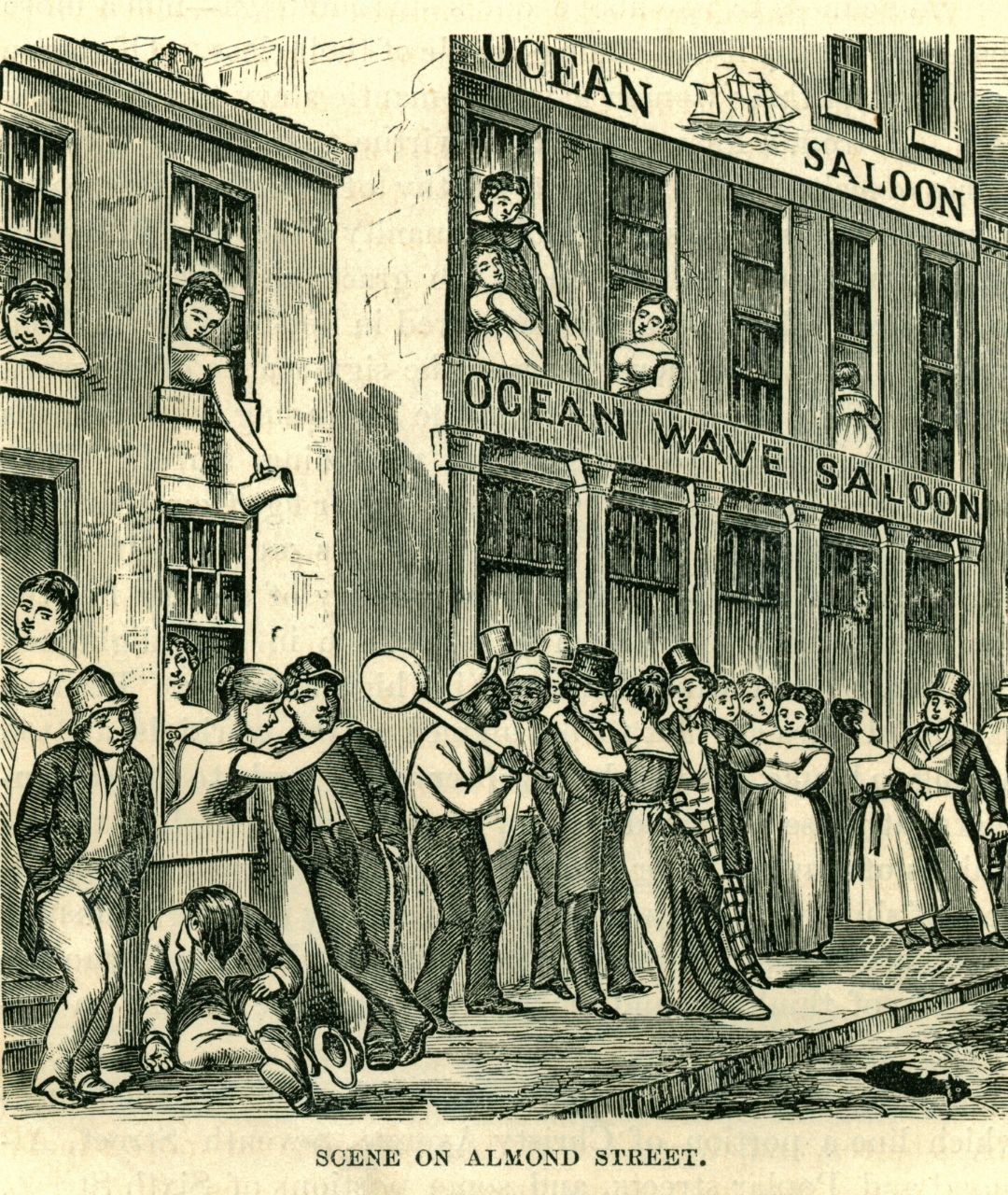
In the 19th century, men who wanted to buy sex had a couple of options. They could go to a brothel and choose from among the women who lived there, or they could hire a more independent professional woman and rent a room at a hotel that specialized in accommodating such assignations. Both types of places ranged in quality, from high-class palaces catering to refined tastes to lowbrow establishments concerned only with turning over rooms as quickly as possible. In St Louis, brothels concentrated near the riverfront in the blocks of Poplar, Christy, and Morgan streets.
Dean Klinkenberg 07:42
Women were arrested frequently, their male their male customers, rarely so. But most arrests resulted only in a small fine. On some occasions, though, the penalty could be quite harsh. Mary Ann Frost, for example, was convicted of running a brothel in January 1870 and fined $1,000. When she couldn’t pay, the judge threw her in jail and took her eight year old son away from her, placing him into the custody of a city institution.
Dean Klinkenberg 08:10
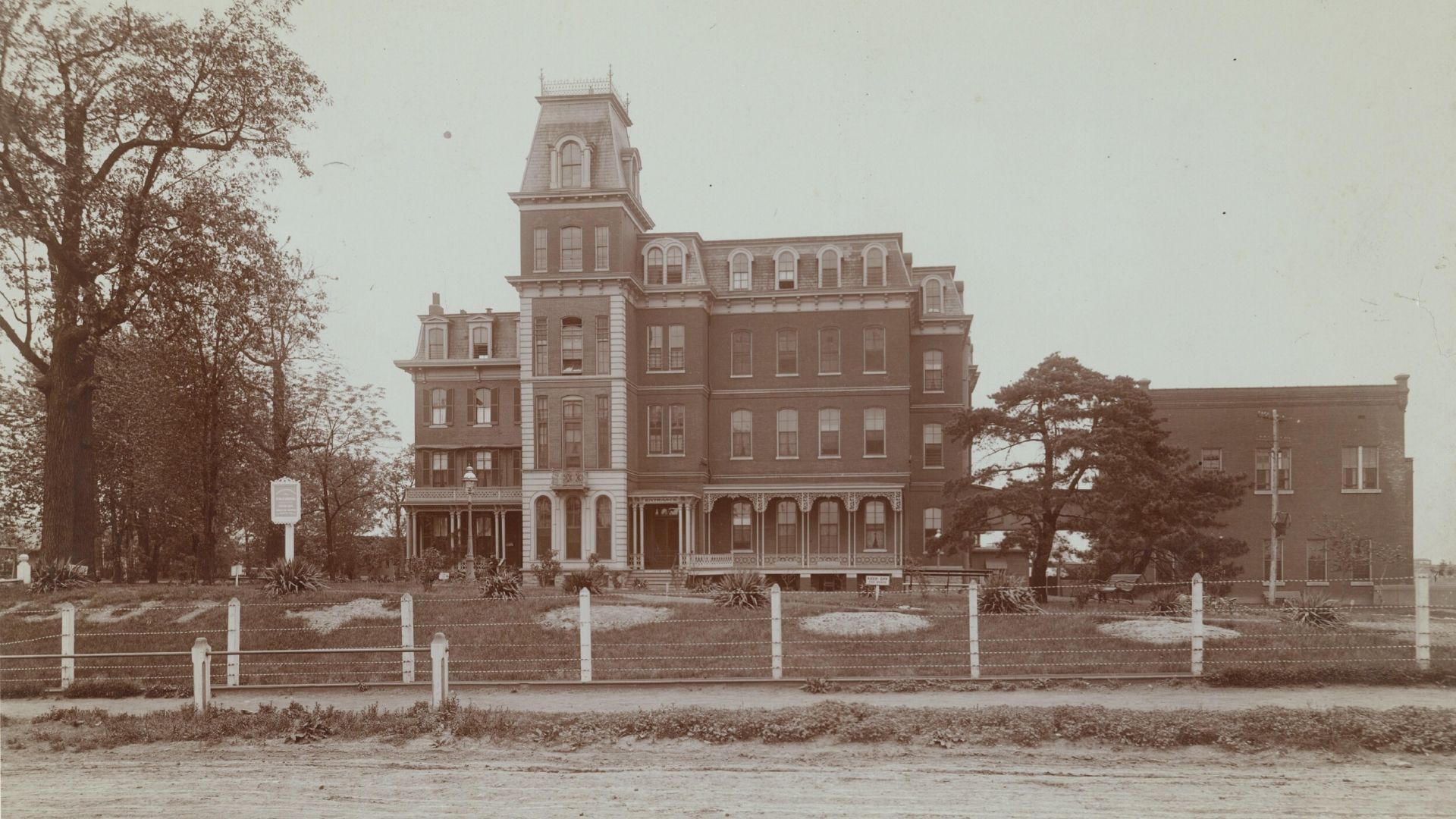
In the latter half of the 19th century, reformers in the United States, inspired by emerging trends in Europe, pushed the city to register and regulate prostitution. As they did so anti-prostitution activists countered their efforts to maintain legal sanctions against prostitution, calling it inherently immoral and a threat to families. While both sides recognize the public health threat of sexually transmitted diseases spread through prostitution, they didn’t agree on ways to reduce the risks. Reformers got an opening in 1870 when the state of Missouri passed a revised charter for the city of St Louis. The new charter included a provision allowing the city to regulate so called bawdy and disorderly houses, houses of ill fame or assignation. Shortly after that, St Louis passed the show the Social Evil Ordinance, a measure that created a framework for legalized prostitution. Under the new law, working women registered with the city and paid a fee and had to pass regular health exams. When a woman failed the health exam, she was sent to a hospital, where she had to stay until she was cured. The city used some of the revenue generated by the fees to build a hospital at the edge of town that treated prostitutes. They named it the Social Evil Hospital. Under this new law, police could close any brothel or order it to relocate to another part of town. No new brothels could open without permission from the board of police commissioners. The new law also banned women from openly soliciting their services, whether on a city street or in the window of a brothel. Over 700 women registered in the first few months, as did nearly 100 brothels. Six medical examiners performed exams on registered prostitutes every single week. The new system reduced, but didn’t stop arrests of prostitutes. Police sometimes charge women with public drunkenness, vagrancy, using profane language or disturbing the peace instead of sex offenses. Still, the law probably increased the visibility of prostitutes and may have given the profession a new sense of legitimacy. Both of those outcomes displeased many people. When leadership proposed a new city charter in 1872, it included a provision to make legalization permanent. Opponents organized to stop it. One of them was William Greenleaf Eliot, a Unitarian minister and one of the founders of prestigious Washington University. His allies included religious and women’s groups, many of whom had been vocal abolitionists before the Civil War. Eliot began a relentless public campaign against the Social Evil Ordinance that included writing frequent editorials for local papers. In 1873, for example, he wrote, “consider what it is that we are doing. We register their houses at a stipulated price. We enter their names on the city record. We cause them to be inspected every week by physicians. We take payment for this from the wages of sin. Can Christian women who respect their own sex quietly look on while their sisters for whom Christ died are by law recognized and upheld in a pollution so deep?”
Dean Klinkenberg 11:27
Opponents attacked the law from multiple angles. Families might suffer from diseases because of a husband’s misdeeds. Husbands could stray without facing consequences. The law fostered, quote, “a class of women who are to be permanently held as the instruments of the legalized lust of habitually profligate men,” Eliot wrote.
Dean Klinkenberg 11:49
These tactics failed to change the law, though, as did challenges to the law’s constitutionality. Eventually, though, support for legalization waned as the social evil law appeared to undermine enforcement of other city ordinances aimed at keeping undesirable people under control. The city, for example, had a vagrancy law that gave it wide discretion to arrest people who associated with lawbreakers. But because prostitution was legal, one court ruled that the vagrancy law could not be used to punish people merely for associating with prostitutes. This frustrated some in law enforcement and in the rest of the community. By 1874 the public had finally turned against the law. As stories of abuse and corruption rose to the surface some police officers were accused of using the law as a pretext to harass respectable women. There were rumors of inappropriate behaviors by the medical examiners, and in the middle of all this, a corruption scandal embroiled the city administration. While the scandal was unrelated to legal prostitution, it undermined public confidence in city government. Newspapers sensed the swing in public opinion against legal prostitution and jumped on the bandwagon, editorializing for repeal of legalization. In March, 1874 the state of Missouri did what the city hadn’t yet done, and repealed the city’s authority to regulate prostitution. They also passed a companion bill that banned police raids of brothels, except under very limited circumstances, which was an attempt to prevent retribution against the women who had already registered under the law.
Dean Klinkenberg 13:24
The legislature once again relegated prostitution to the underbelly of society, returning to the past by encouraging officials to look the other way in exchange for certain favors and for token criminalization of paying for or selling sex.
Dean Klinkenberg 13:41
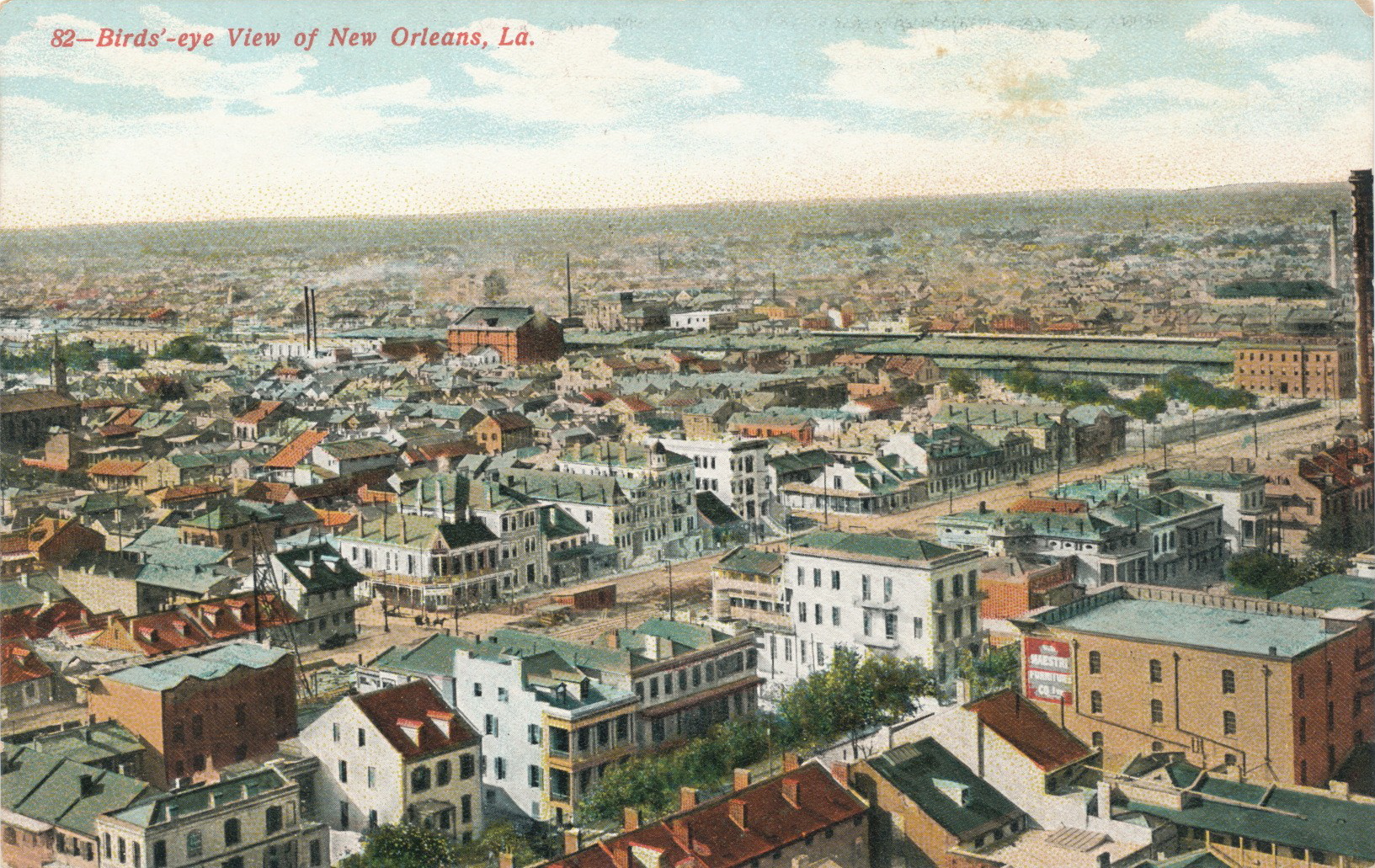
Twenty years later, a thousand miles downriver, New Orleans began its own experiment with managing prostitution, even if they never quite called it legalization. In 1897 the city passed ordinance number 13,032. In a crafty move, the legislation defined neighborhoods where prostitution was not legal, which was everywhere in New Orleans, except for the 10 square blocks just north of the French corridor specified in the bill. City officials had been trying for years to reduce the negative impact of prostitution, but courts had thrown out every previous law that had legalized it. In 1897 city officials took a different approach and passed a carefully worded ordinance that never indicated prostitution was actually legal in any part of the city, just parts of the city where it was explicitly prohibited. It worked. The courts ultimately upheld the law determining that it regulated prostitution rather than legalizing it.
Dean Klinkenberg 14:42
The main sponsor of the legislation was Alderman Sidney Story and in spite of his efforts to name the area of the district, folks started calling it Storyville, and the name stuck. He wasn’t flattered.
Dean Klinkenberg 14:56
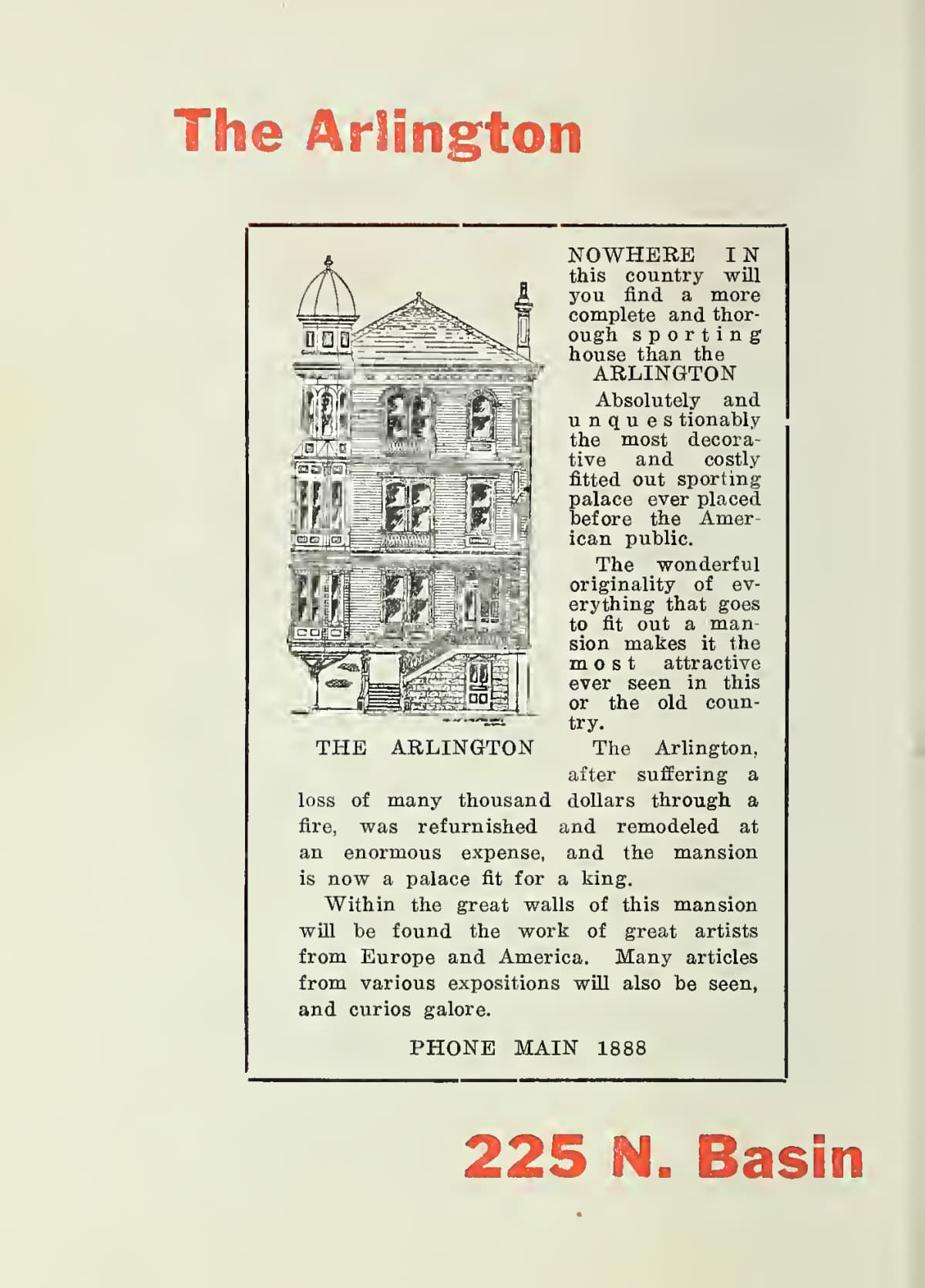
Storyville offered options for nearly every taste and budget and visitors could consult the Blue Book or similar guides to help them plan their activities. In one edition, the Blue Book lays out the advantages of New Orleans Storyville: ‘Because it is the only district of its kind in the state set aside for the fast women by law, because it puts the stranger on a proper and safe path as to where he may go and be free from hold ups and other games usually practiced upon the stranger. It regulates the women so that they may live in one district to themselves, instead of being scattered over the city and filling our thoroughfares with streetwalkers.’
Dean Klinkenberg 15:34
The Blue Book listed women by name and race with an address where they may be found, as well as identifying the establishments where they worked, places such as Countess Piazzas, the New Manhattan Cabaret and The Club. Advertisers in the Blue Book included taverns, distilleries, breweries, including Anheuser, Busch, cigar manufacturers, glassware, taxis, pharmacies, lawyers. Pretty much every service one would need when visiting Storyville. White and Black women rarely worked in the same brothel, although those segregated brothels were often right next to each other, while white men had free rein to roam around the neighborhood, black men were not allowed to visit the brothels at all. A separate area later developed for black men who were looking for a brothel, although that area existed in legal limbo. In Storyville, brothels ran the gamut from lavish mansions along Basin Street to “cribs” or run down rooms and other parts of Storyville.
Dean Klinkenberg 16:40
The Jazz Age hadn’t yet begun, but Storyville bustled with music and dance halls. The higher end brothels employed their own musicians, typically piano players. Tony Jackson was widely admired as one of the best, but Jelly Roll Morton also played in brothels. Morton, who often took credit for inventing jazz (many disagree), at least gets the credit for publishing the first jazz composition in sheet music form. He credited his time in Storyville for providing a lot of the inspiration for his later jazz tunes. If you visited the club, you might hear blues or ragtime, but dance music really dominated the clubs.
Dean Klinkenberg 17:18
King Oliver led one of the better known bands in Stroyville, which is where he met and took under his tutelage a young cornetist named Louis Armstrong. Over time, the neighborhood transformed from an industrial and residential area characterized by wood row houses and colonnaded frame homes large and small, to an entertainment zone with landlords that included Tulane University and the Archdiocese of New Orleans. The area’s largely Black, working class residents were gradually displaced by rising rents as taverns, brothels and dance halls grew more abundant. Storyville’s end came in 1917 when the federal government pressured cities to shut down prostitution near its military bases.
Dean Klinkenberg 18:01
Secretary of War, Newton Baker proclaimed, “These boys are going to France. I want them adequately armed and clothed by their government, but I want them to have an invisible armor to take with them, a moral and intellectual armor for their protection overseas.” City officials tried to resist the federal pressure. Mayor Martin Behrman responded, you can make it illegal, but you can’t make it unpopular. Ultimately, the city gave in, though they really had no choice. Mayor Martin Behrman ordered all brothels closed by November 12, 1917. Prostitution didn’t end, of course, it just slipped underground into houses and buildings throughout the city, including some inside Storyville itself.
Dean Klinkenberg 18:46
Hey, Dean Klinkenberg here, interrupting myself. Just wanted to remind you that if you’d like to know more about the Mississippi River, check out my books. I write the Mississippi Valley Traveler guidebooks for people who want to get to know the Mississippi better. I also write the Frank Dodge mystery series that is set in places along the Mississippi. My newest book, The Wild Mississippi, goes deep into the world of Old Man River. Learn about the varied and complex ecosystem supported by the Mississippi, the plant and animal life that depends on them, and where you can go to experience it all. Find any of these wherever books are sold.
Dean Klinkenberg 19:28
Other cities along the Mississippi, including La Crosse, Wisconsin, rarely wavered from a look the other way approach. In La Crosse, prostitution had a long history. In 1876 just 20 years after the city incorporated, police arrested Kate Champion for running a brothel. Neighbors tattled on her which led to a police officer gathering evidence by standing outside a window of her house to observe a rendezvous in progress. Champion was convicted and sentenced to six months of hard labor at the Wisconsin State Prison in Waupun in.
Dean Klinkenberg 19:59
On September 22 1897 police arrested Carrie Scott in Olson’s Saloon while she was sitting at the bar and talking to a man. They weren’t doing anything unseemly, just talking, but Lacrosse, like other cities at the time, enforced an ordinance that banned women from being in a bar unless their husbands or fathers accompanied them. A police officer had seen Scott chatting up men on the street and following a couple of them into a saloon. That was enough to prompt the arrest. She was fined 20 bucks and ordered to pay another $24 in court costs.
Dean Klinkenberg 20:35
The Mississippi House was a pretty rough place. Basically a low cost motel near the river that connected rivermen, their primary customers, with women who could supply temporary company. The Mississippi House did a steady business for over 30 years in the latter half of the 19th century, changing locations a few times, but always taking close to the river. La Crosse officials let a red light district operate in the 100 block of Pearl Street for several years, but in 1908 Mayor Wendell Anderson ordered the brothels closed.
Dean Klinkenberg 21:07
The policy change wasn’t universally embraced. Many police officers preferred to keep the district open because the regulars often passed along tips to the police about suspicious new characters in town. In a previous term as mayor, Anderson had left the district alone, but he changed his mind, because each brothel stayed open by paying a $50 fine every quarter. For Anderson, that seemed like a licensing fee. Anderson worried such an arrangement suggested that the city was profiting from prostitution, and he didn’t like that. He was also uncomfortable with the fact that police didn’t permit women in the brothels to walk the streets together, or that the women had to be back in their houses by six in the evening. Women who didn’t live in brothels did not have to live with any of those restrictions. The 1908 closure didn’t last, though. The next mayor Ori Sorensen reopened the district in 1909. He believed it was better to keep the brothels operating openly as long as they were restricted to a specific part of the city. He worried that tighter restrictions would just drive prostitution underground and make it harder to monitor. The roller coaster ride continued from there. Sorensen lost re election, and his replacement, John Denger, closed the district again. When Sorensen campaigned to get his old job back in 1913 he changed his position and pledged to keep the brothels closed. “During my first administration,” he said, “I was of the opinion that the tenderloin was a necessary evil.” He believed that a forced closure would just scatter the problem around the city. But after careful study, he found that conditions, “have grown better instead of worse since the resort keepers and inmates were driven out.” The women who worked in the brothels were sometimes called inmates.
Dean Klinkenberg 23:00
He won in 1913 and he did not let the brothels open again. Sorensen’s return to office coincided with an investigation into prostitution led by Wisconsin state senator Howard Teasdale. In the spring of 1913, Teasdale convened a committee to take a hard look at, “White slave traffic and kindred subjects.” Investigators traveled around the state determined to expose the widespread damage prostitution caused in La Crosse. The investigators found a high concentration of brothels along Third Street between Pearl and State Streets. The report noted that in many of those establishments, a man could hire a prostitute for $2 or rent a room for $1 and bring his own companion. Most of the women were in their 20s, but some were considerably older. One investigator visited a tavern on French island north of the city, and observed, “As soon as a man enters, these women take him by the arm and lead him to the bar and keep him there as long as he will treat them..the worst sort of dancing, ragging and tango are allowed.”
Dean Klinkenberg 24:05
The committee’s final report accused the La Crosse Police Department of enabling prostitution. “There are 21 members of the department, all included except the chief. Many of them are bad, hand in glove with vice and on the most intimate terms with sporting girls. Prominent among them is Officer Wermuth, a brother of a saloon keeper of the same name on North Third Street. It is common talk among the girls, and generally talked about town that after closing hours of the saloon, this officer having a key to the rear entrance of the Wet Goods Saloon takes girls in there spending considerable time with them. Viola Friday or Atchison, a well known prostitute, boasts of his friendship with her, and others say. Sophie Zak, a young Polish girl, was also his paramour.”
Dean Klinkenberg 24:58
The committee recommended several changes to existing laws to reduce prostitution, including banning women from saloons and eliminating back and side entrances. Mayor Sorensen and Police Captain Lawrence Dugan expressed support for those ideas. The committee also recommended raising the age of consent from 14 to 18, if you can believe the age of consent was 14 at the time the committee wrote, ‘We must take into consideration that no possession of a woman is of as much value to her as her honor. Yet existing laws permit her to yield this in childhood, at a period when in her innocence and lack of knowledge, she does not comprehend what she is doing, nor the frightful consequences of her act, thus permitting her to sacrifice that which is of far more value to her than her property.” Mostly, though nothing changed after the committee’s work.
Dean Klinkenberg 25:53
In 1925 Anna Bennett, better known as Ma, opened the European Hotel on Second Street. “Ma’s was a classy place. She wouldn’t let any bums in,” ecalled an anonymous former customer. For 20 years, a steady stream of men, top business managers and city officials included, patronized the brothel, entering through the back door for privacy. “Those places were just another incidental spot where a guy went,” said another former customer. From the outside, the building was nothing special, just a two story brick structure with few architectural frills inside, though it looked like a palace, an elegant chandelier hung in the front room, tapestries draped on the walls, ritzy carpeting covered the floors. The brothel even had a nickelodeon for musical entertainment. Ma’s operated in the heart of prohibition, but that didn’t slow down her operation. She could buy a case of beer for three bucks, but she charged men $1 a beer for a single bottle. Prices didn’t drop when prohibition ended, by the way. As for the primary services Ma’s offered, men paid a base rate of $2 and Ma kept half of that. Most girls, though, charged about $5 for their services. The women worked in one of the seven upstairs rooms. Ma employed up to 20 women at a time, most of them between 18 and 25 years old, all dressed immaculately. Eight of the women lived in the European Hotel, the rest in apartments nearby. Most didn’t stay long, maybe three months at the most. “Ma was on a pipeline,” a friend of Ma Bennett remembered. “Whenever she needed a new girl, all she’d have to do was make a call to New York, Chicago, Cleveland or Minneapolis. They’d send her a picture of the girl. She never turned one down.”
Dean Klinkenberg 27:44
Many people in town didn’t seem to mind the presence of the brothel. “If I had a teenage son,” one anonymous woman said, “I’d rather send him to a place like Ma’s, then I’d know he wouldn’t be picking up any diseases.”
Dean Klinkenberg 28:00
After Ma’s husband Jack died in 1932 she’d visit his grave at Oak Grove cemetery on Saturdays in a chauffeur driven car, maybe the Packard or Cadillac she owned, and often accompanied by women who worked for her. She also picked up a hobby, collecting racehorses. She traveled around the country to watch them compete. She lost nearly $200,000 when a bank failed in 1933 but she still seemed to have plenty of money left. She built a new house in town and helped several families get through the tough years of the Depression. She ran another brothel in town that was raided regularly, but she was always alerted in advance, so the police found nothing illegal going on when they arrived. Her fortunes changed in 1946 though, when police raided the European Hotel, they arrested Ma and the court fined her $200 and sentenced her to six months in jail. She didn’t serve a day, though. She retired from the business and moved to California, where she died around 1963, probably in her 80s or early 90s. No one really knew her age.
Dean Klinkenberg 29:06
The European Hotel was torn down in the early 1970s.
Dean Klinkenberg 29:09
Winona, Minnesota, just 30 river miles upriver of La Crosse, has its own lengthy history of don’t ask, don’t tell with brothels and prostitution. The city banned prostitution in 1857 and occasionally raided suspected houses of ill repute, like in 1866 when police arrested two women at one suspected brothel, but overall enforcement was infrequent. Mayor Toye ordered a raid of brothels in 1891, but someone tipped off the women either the police chief or a judge, so police found a quiet place when they showed up.
Dean Klinkenberg 29:46
Brothels were initially scattered around the city, but they eventually clustered near the Chicago and Northwestern rail station in the Mississippi River. People called them sporting houses, and because the brothels were mostly located on Second Street, the women were sometimes called “two streeters.” By 1920 Winona’s red-light district attracted men who worked on riverboats and railroads, as well as soldiers from Wisconsin’s Camp McCoy who arrived by the train load for a night on the town. Police raided some places in 1920 but someone tipped off the brothels again, except for the National Hotel run by Jane Bailey, she must have angered the wrong person. From 1923 to 1939 though the police apparently did not arrest a single person for a vice offense.
Dean Klinkenberg 30:34
For a while, Winona licensed brothels, even though prostitution was illegal under state law, women got regular medical checks, and some police officers received complimentary services. The city even considered legalizing brothels outright at one point, maybe because of its laissez faire attitude, Winona was known throughout the United States for its brothels. The soldiers from Camp McCoy also helped spread the word quite a bit for the most part, Winonas didn’t seem terribly bothered by it all. The women were generous tippers, according to the taxi drivers, and sometimes the locals got cheap entertainment. One brothel, for example, had holes in the floor of a third story room. Voyeurs could pay a small fee to peek through those holes and watch the action below them. Locals also found employment in the brothels, and some even got to keep their clothes on. Claude Weber began a four year stint running errands for some brothels when he was 14 years old. The women treated him well, and he made decent money. One of his regular assignments was picking up and delivering dresses the women had ordered from downtown stores. He also ran errands for brothel madam Queenie Levaque. Weber recalled that she always wore a robe with two pockets. She kept paper money in one and coins in the other. When he finished a job for her, she’d reached into the coin pocket and hand him change without counting it out. In an interview later in life, Weber extolled the virtues of young people in his day, “there wasn’t so much chasing around and looseness,” he said, presumably without irony.
Dean Klinkenberg 32:09
The brothels popularity with soldiers from Camp McCoy would eventually lead to the downfall of the district in the early years of World War II. Army officials grew increasingly concerned about the frequency with which soldiers contracted sexually transmitted diseases. Some soldiers were getting infections that took him out of duty before the army could send them overseas to fight. As it had done at the start of World War I, the Army pressured cities, including Winona, to close red light districts that were close to its bases. Winona’s brothels hung on a while longer, but the final blow came on Christmas Eve 1942 when a fight broke out between soldiers from Camp McCoy. A group of white soldiers fought with Japanese American soldiers who were there from Hawaii. Army officers kept a lid on open conflict when soldiers were on base, but fights sometimes broke out on the streets of Winona on Christmas Eve, a melee erupted that resulted in multiple arrests. The police later released all the soldiers, though, who then returned to base. Two days later, 28 agents from the Minnesota Bureau of Criminal Apprehension descended on Winona just after midnight. Local law enforcement didn’t know they were coming. Minnesota Governor Harold Stassen, responding to pressure from Army officials, sent the officers to shut down Winona’s Red Light District. Agents raided five brothels and arrested 11 women. Minnesota was in no mood to play around, so the state charged the women with felonies, padlocked the buildings and seized their contents. The women who ran the brothels eventually pleaded guilty to running a house offensive to public decency, which was a misdemeanor. The courts fined each madam $100 and each prostitute $25 but the buildings stayed closed. Officials auctioned off the contents of the buildings and kept them padlocked for a year. And that was that, of course. Jjust kidding. Creative entrepreneurs found new ways to keep the industry alive. A brothel called El Cid’s operated as an open secret in Winona well into the 1990s.
Dean Klinkenberg 34:22
Thanks for listening. If you enjoyed this episode, subscribe to the series on your favorite podcast app so you don’t miss out on future episodes. I offer the podcast for free, but when you support the show with a few bucks through Patreon to help keep the program going, just go to patreon.com/deanklinkenberg. If you want to know more about the Mississippi River, check out my books. I write the Mississippi Valley Traveler guidebooks for people who want to get to know the Mississippi better. I also write the Frank Dodge mystery series that’s set in places along the river. Find them wherever books are sold. The Mississippi Valley Traveler podcast is written and produced by me, Dean Klinkenberg. Original Music by Noah Fence. See you next time you.