
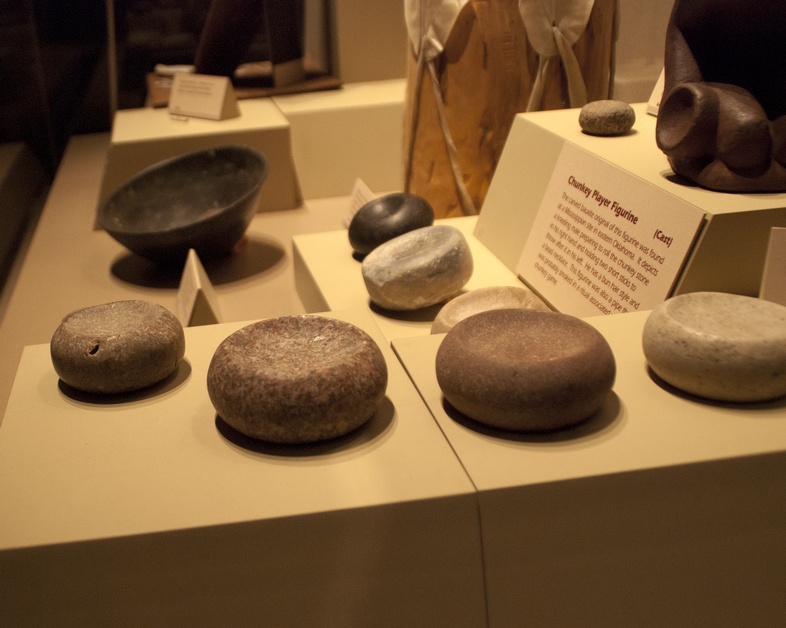
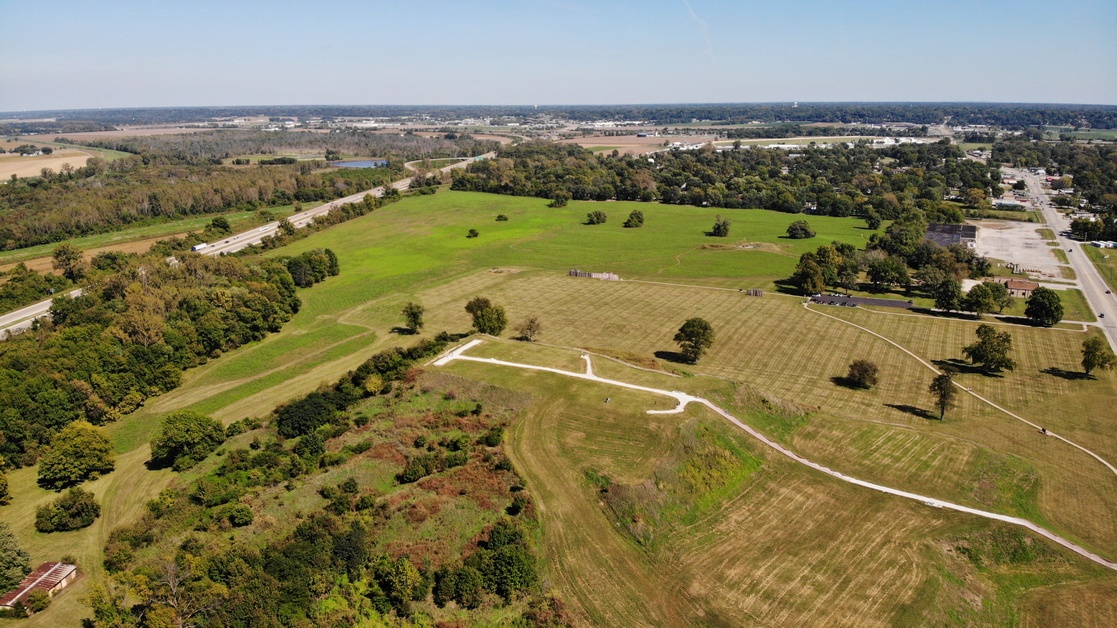
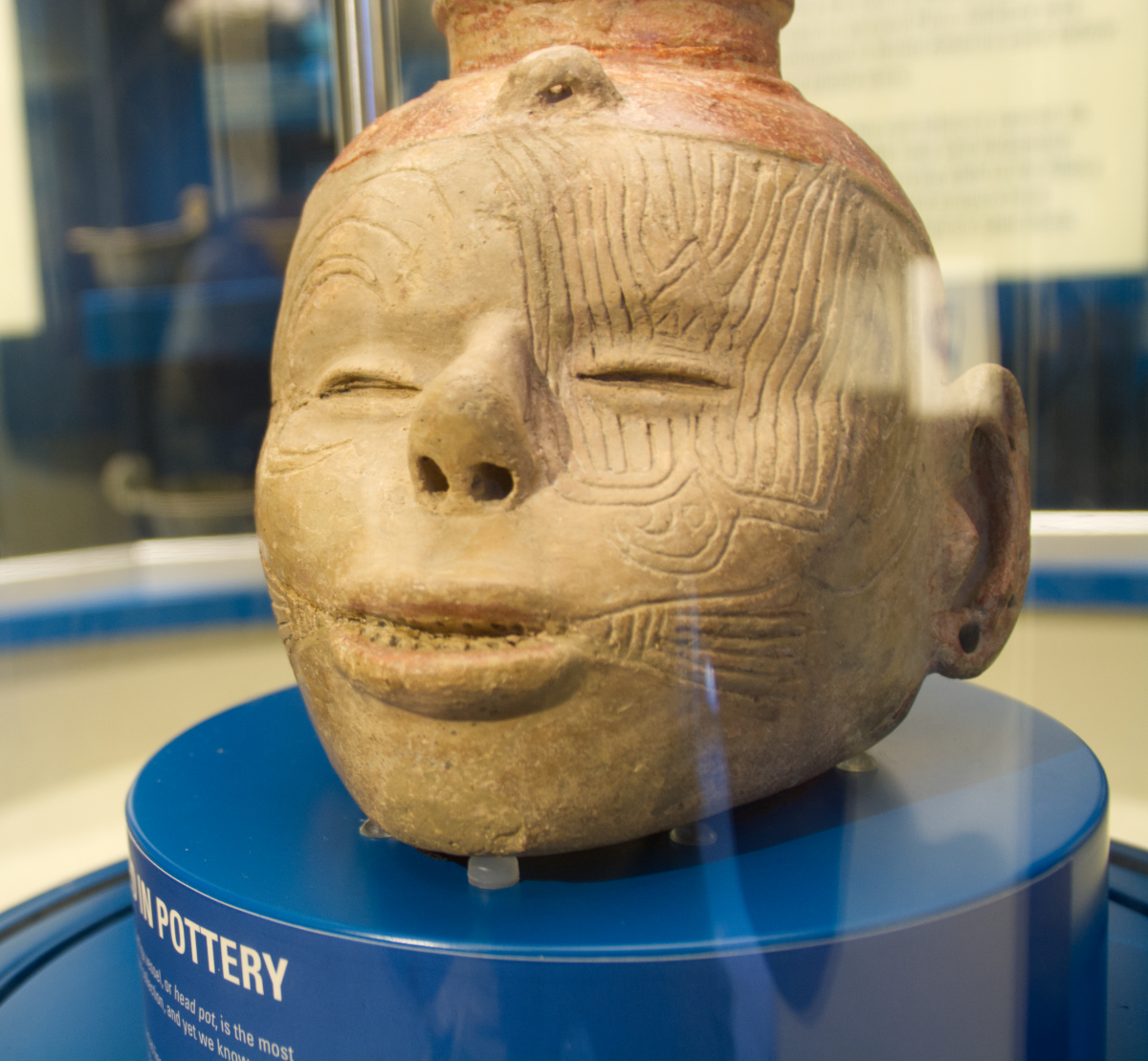
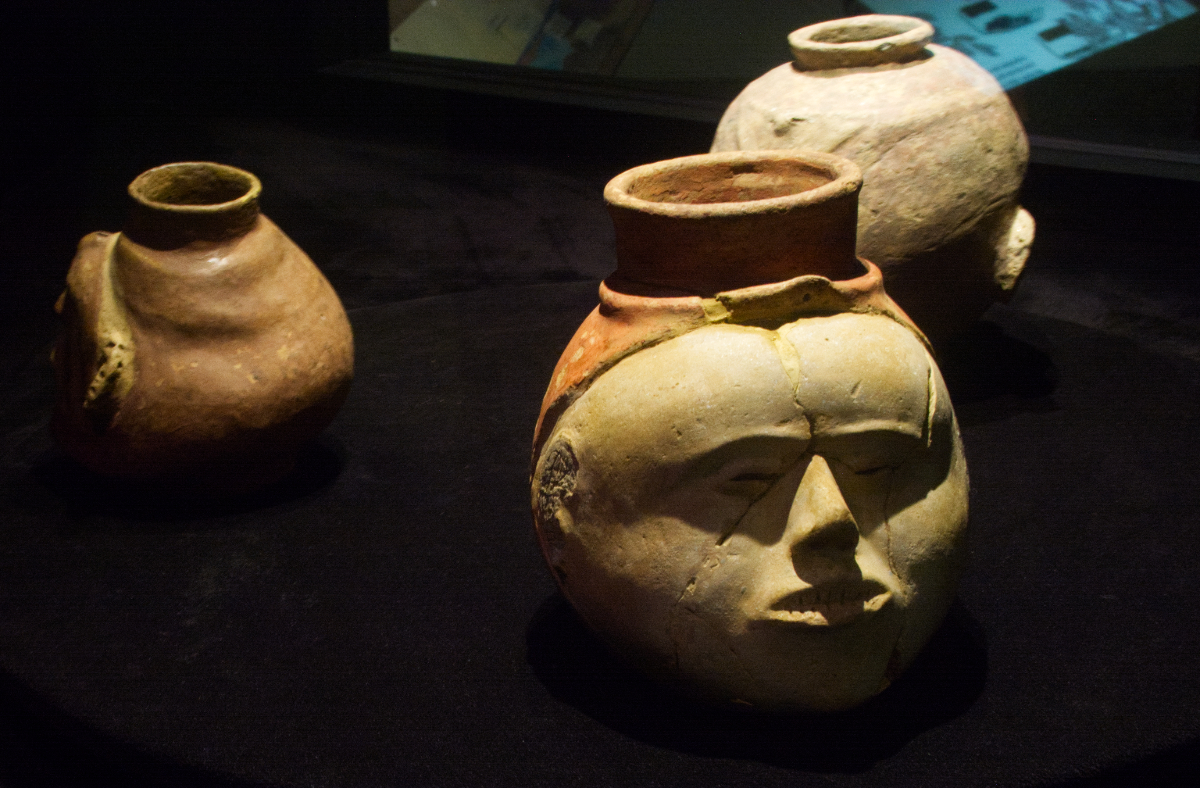
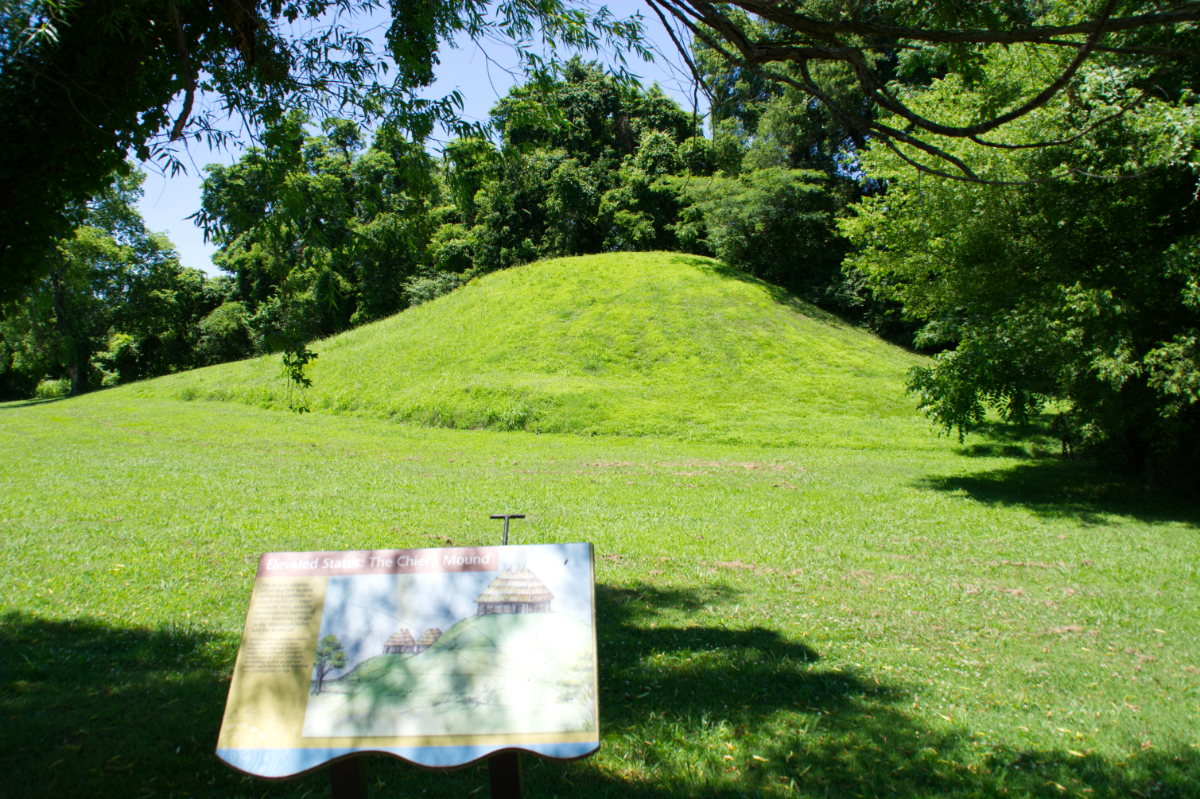
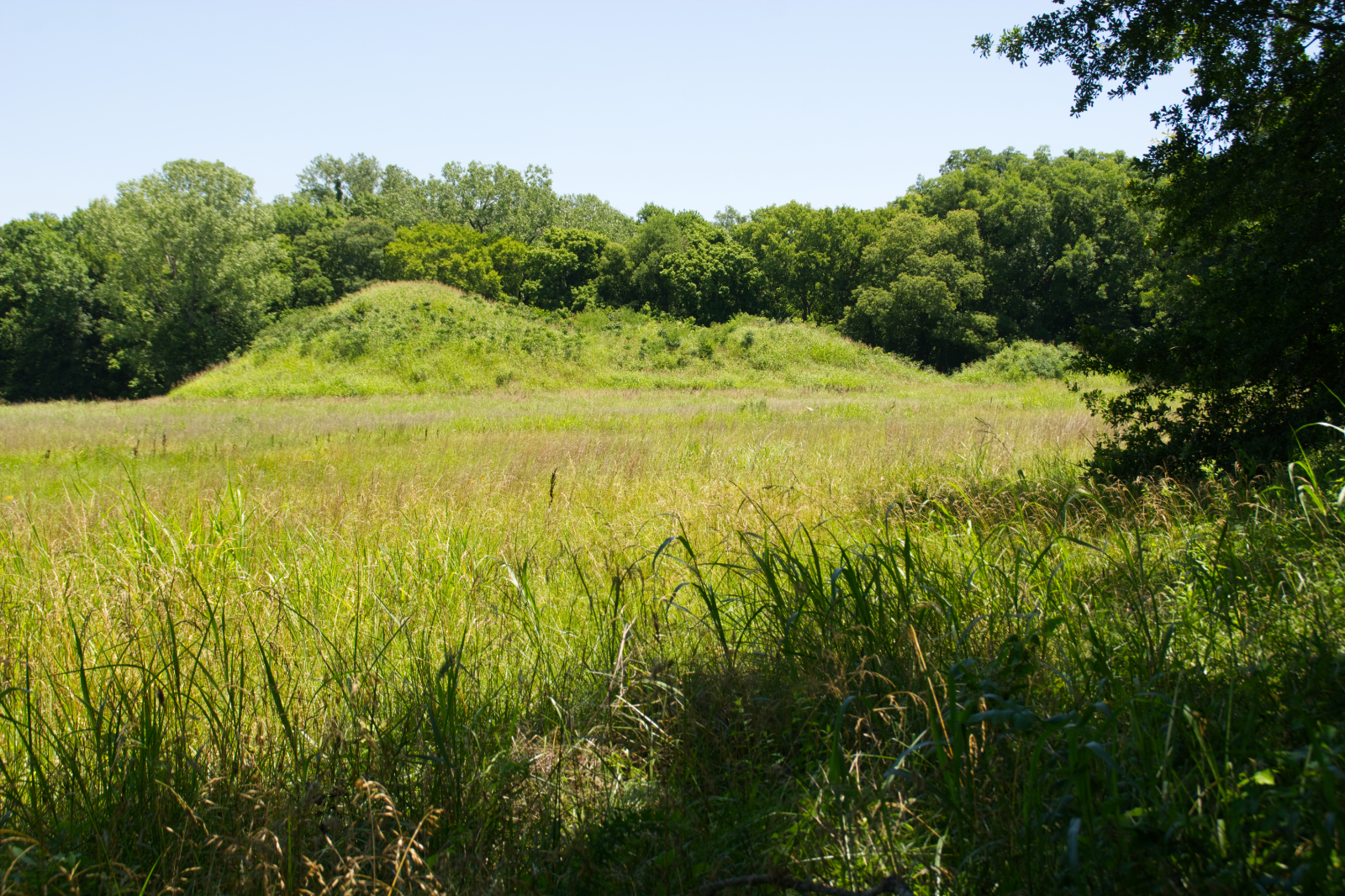
A thousand years ago, the largest city north of Mexico rose from the floodplain across the river from present-day St. Louis. In part two of our look at Native America along the Mississippi, we trace Cahokia’s explosive birth around 1050 CE — a planned metropolis of mounds, plazas, and processional roads aligned to the movements of the sun and moon. We’ll piece together what we know about Monk’s Mound, chunkey matches, the pilgrims’ acropolis, and consider what the shell-bead burials of Mound 72 reveal about power and sacrifice. We’ll also ask why a city of twenty thousand quietly emptied out by 1400, and follow the Mississippian world downriver as it carried on without its old capital.
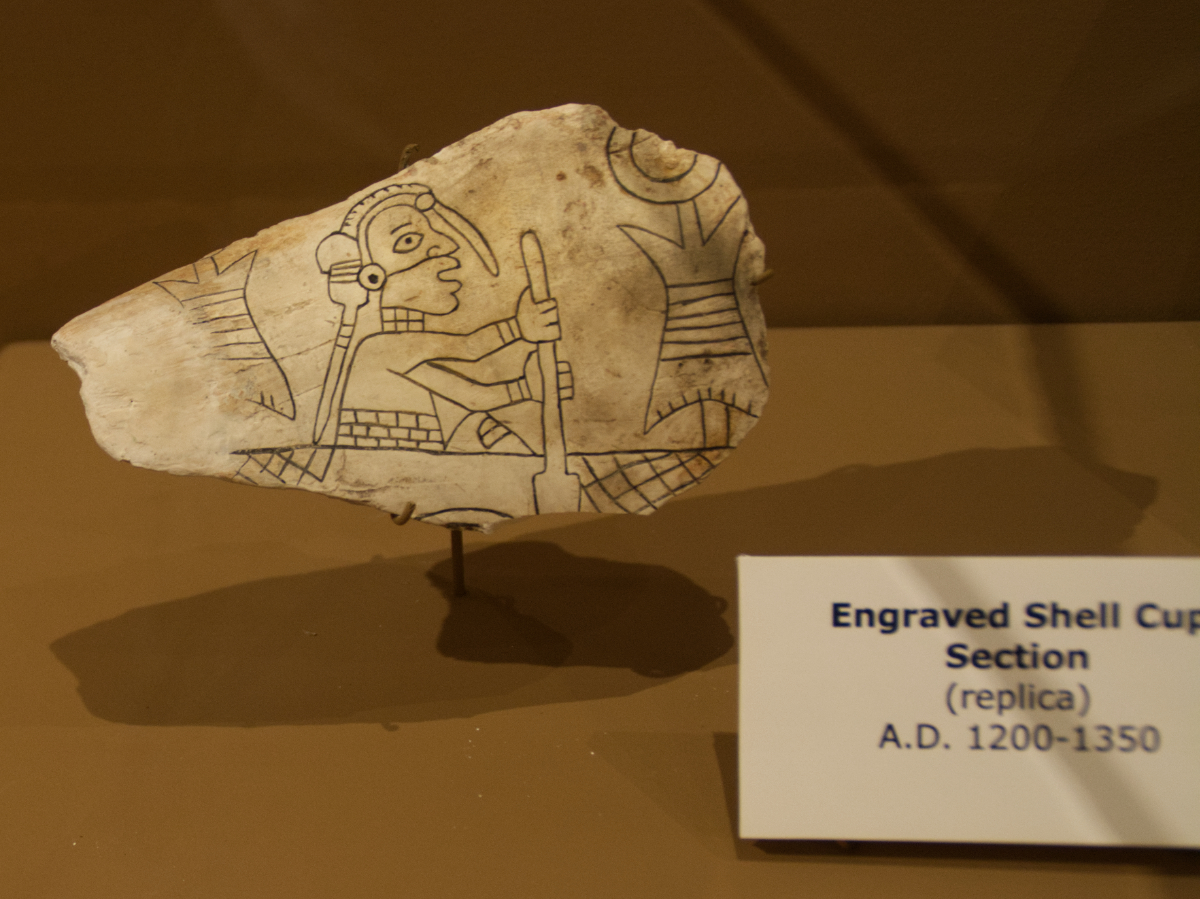
Then, in 1541, Hernando de Soto’s army reaches the river. What the Spanish army found was a densely settled valley of thriving communities — some at odds with each other — and what they left behind was starvation, disease, and shattered lives. We’ll follow the invasion from Casqui and Pacaha to de Soto’s death at Guachoya, his body sunk in the river he had claimed to command, and the stunning painted canoe fleets of Quigualtam that chased the survivors toward the Gulf.
Show Notes
Support the Show
If you are enjoying the podcast, please consider showing your support by making a one-time contribution or by supporting as a regular contributor through Patreon. Every dollar you contribute makes it possible for me to continue sharing stories about America’s Greatest River.
Don’t want to deal with Patreon? No worries. You can show some love by buying me a coffee (which I drink a lot of!). Just click on the link below.
Transcript
[coming soon]






Leave A Comment