It’s summer and many of y’all will be hitting the road to travel and see something new (or revisit places you enjoy). I haven’t done a travel-themed podcast in a while, so in the next couple of episodes, I’m going to go over the highlights of driving the Great River Road. In this episode, I start with an overview of what to expect from the drive plus some overall highlights. Then, I start a north to south trek down the Great River Road from Itasca State Park and ending at Lake Pepin. Along the way, I’ll comment on the following places: Bemidji, Grand Rapids, Crosby, Brainerd, Little Falls, St. Cloud, Minneapolis, Saint Paul, and the communities around Lake Pepin. I obviously won’t be going into great depth about any particular place but instead want to give you a sense of the variety of attractions and experiences you can expect along the Mississippi River, with some picks about my favorite spots (and where to get good food and drinks). In the next episode, I’ll cover the rest of the Great River Road from Lake Pepin to the Mississippi’s confluence with the Ohio River at Cairo, Illinois.
Show Notes
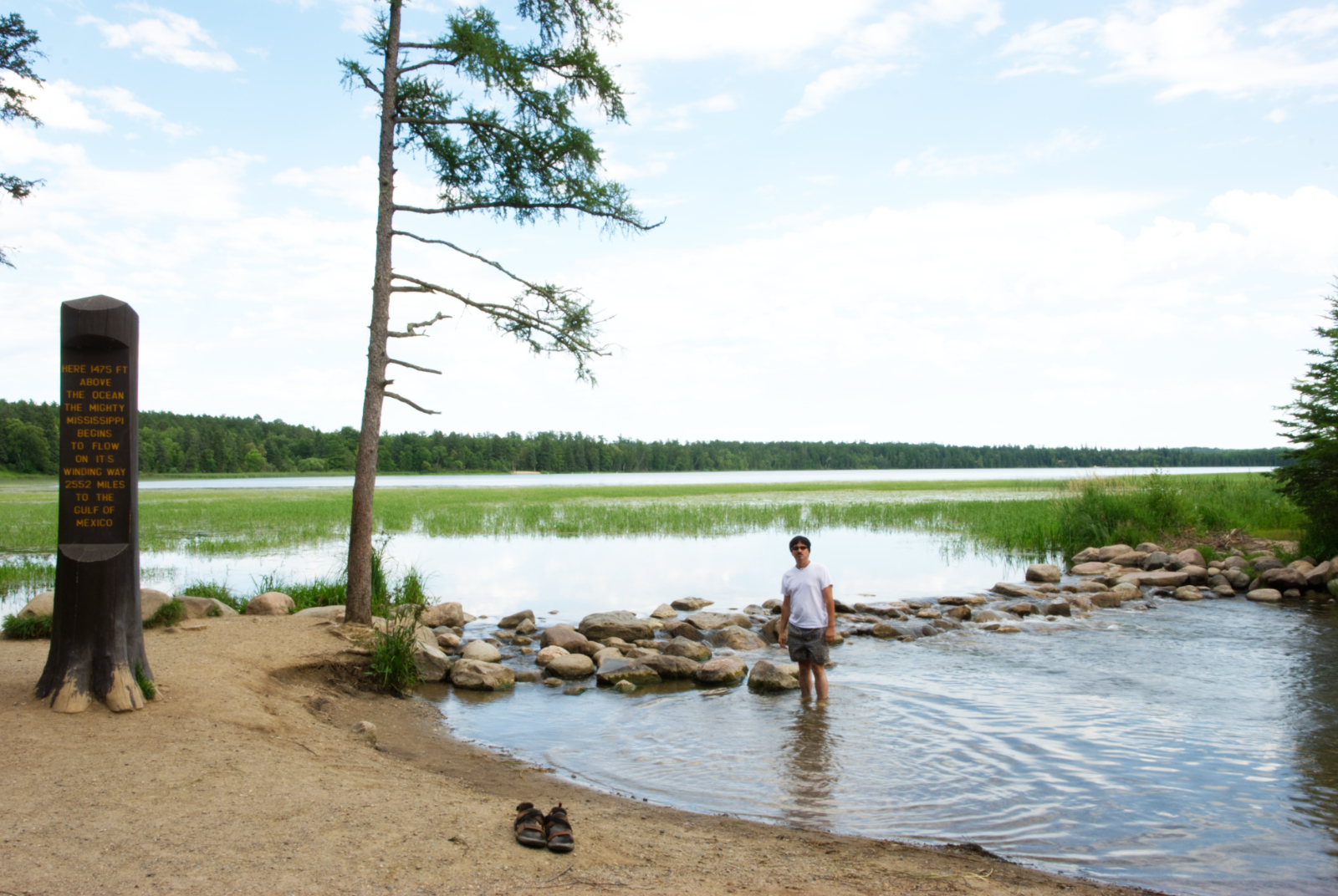
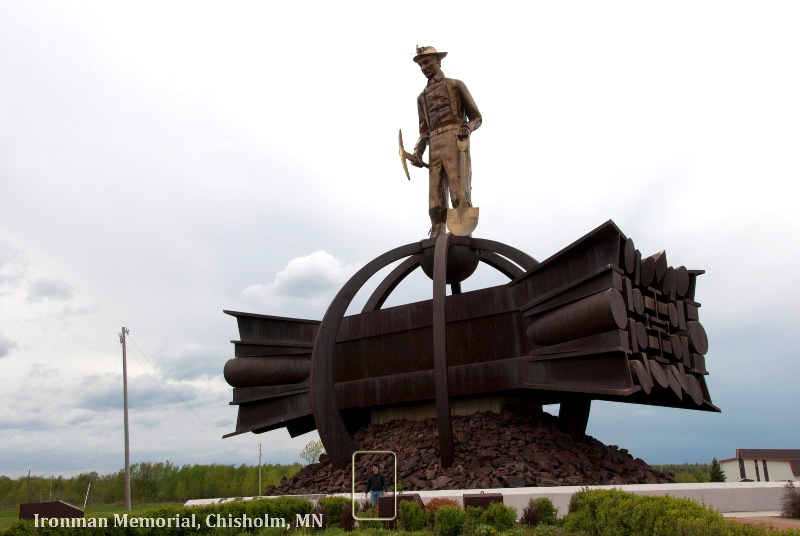
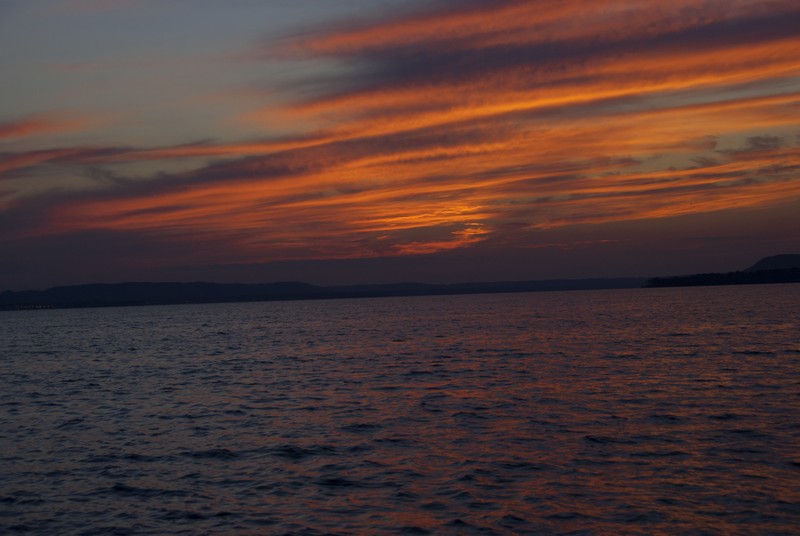
Photos of a few places mentioned in this episode.


Support the Show
If you are enjoying the podcast, please consider showing your support by making a one-time contribution or by supporting as a regular contributor through Patreon. Every dollar you contribute makes it possible for me to continue sharing stories about America’s Greatest River.
Don’t want to deal with Patreon? No worries. You can show some love by buying me a coffee (which I drink a lot of!). Just click on the link below.
Transcript
Fri, Jun 27, 2025 4:11PM • 1:04:28
SUMMARY KEYWORDS
river, mississippi, places, area, mississippi river, bemidji, good, minnesota, people, grand rapids, museum, find, st paul, minneapolis, park, community, couple, state, north, driving
SPEAKERS
Dean Klinkenberg
Dean Klinkenberg 00:00
The dream of building a road that paralleled this marvelous river is nearly as old as the automobile itself. While the Mississippi River Parkway Commission marks 1938 as their official birth year, people like Joe Young of Bellevue, Iowa were advocating for a scenic route along the Mississippi nearly two decades before that. In 1920, St Louis’ Truman Pearson bragged “This highway, when completed, will be not only the most picturesque, but also the greatest north and south cross country highway.”
Dean Klinkenberg 00:52
Welcome to the Mississippi Valley Traveler podcast. I’m Dean Klinkenberg, and I’ve been exploring the deep history and rich culture of the people and places along America’s greatest river, the Mississippi, since 2007. Join me as I go deep into the characters and places along the river, and occasionally wander into other stories from the Midwest and other rivers. Read the episode show notes and get more information on the Mississippi at MississippiValleyTraveler.com. Let’s get going.
Dean Klinkenberg 01:11
Welcome to Episode 64 of the Mississippi Valley Traveler podcast. Well, it’s been a while since we did any episodes that were focused on travel along the Great River Road. So I’m going to take a detour from the interviews and roll out a couple of episodes where we talk specifically about travel along the Mississippi River. This is going to be packed with tips and suggestions. So if you are inclined to take notes, if you have a way of recording things, I suggest you get a pen and paper or pull out your phone or do whatever you like to do to record those notes. So it’s going to be at least two episodes, maybe three. We’ll see once I get the second one recorded. So what we’re going to do in part one is I’m going to give you an overview of driving the Great River Road, tell you a little bit about what to expect from the drive, offer some highlights, some can’t miss, or places you really shouldn’t skip as you’re driving along the Great River Road, and then we’re going to begin a north to south exploration. And I’ll highlight places and regions and towns along the way as we take this trek from north to south, beginning at Itasca State Park and ending eventually at the Gulf of Mexico. But in this episode, we will cover Itasca State Park, Bemidji, Grand Rapids, Crosby, Brainerd, Little Falls, St Cloud, basically all the sites in northern Minnesota. And then we’ll talk a little bit about Minneapolis and St Paul. And then we’ll finish up with Lake Pepin.
Dean Klinkenberg 02:56
Thanks to all of you who have continued to show me love through Patreon. I greatly appreciate your support. It makes me feel good, and it keeps this podcast rolling along and makes episodes like this possible. If you want to join that community, go to patreon.com/deanklinkenberg and you can join it there. Or if you’d rather, you can just buy me a coffee. Go to MississippiValleytraveler.com/podcast and you’ll find instructions on how to buy me a coffee, as well as how to join Patreon if you forgot that initial address. Also at that address MississippiValleyTraveler.com/podcast you’ll find a list of all previous episodes. You can binge listen if you wish, and if you click on a specific episode, you’ll also find the show notes for that episode. Well, all right, let’s start up our vehicle and get moving along.
Dean Klinkenberg 04:01
The Mississippi River has inspired poets, painters, writers, photographers and thrill seekers as well as entrepreneurs looking to make a buck off the mall. The river has inspired me, too, and for much of my adult life. In the next couple of episodes, I take you through some of the highlights of traveling along the Mississippi River. You know, I often get asked what the primary draw is, and the short answer is always, of course, well, it’s the river. But what is it about the river specifically? For me, I enjoy the natural beauty and the opportunities to get lost in the river’s natural world, to learn about and spot the plants and animals that rely on the river. But travel along the Mississippi has much more to offer than that. Like history, the Mississippi corridor has supported human life for at least 10,000 years. The river played a crucial role in the westward expansion of the United States with the Civil War and in the industrial age. A trip along the Mississippi offers a chance to learn something new about American history, as well as about the people who were here long before this was the United States. The river is also a rich cultural corridor. Artists live and create many small river towns, big cities have world class museums. You can enjoy masterpieces performed at the Guthrie Theater in Minneapolis, for example, as well as near the banks of the Mississippi and Winona. First Class symphonies fill the music halls in St Louis and the Twin Cities, while the blues still ring out in a few remaining clubs in Mississippi. And then there’s food, because the Mississippi cuts a north, south path through the United States, a trip along the river is an eye opening and mouth watering experience of tasting local and regional food specialties, from walleye with wild rice in Minnesota to blackened red fish with dirty rice in New Orleans. And you’ll find forward thinking chefs working not just in the bigger cities, but also in some of the small river towns. If you get bored driving the Great River Road, I gotta. I hate to say it, but you know, it’s your own fault, really. So let’s start with an overview of travel along the Great River Road. I’ll drop in a few highlights and in general, what to expect from a trip driving down the Great River Road. Then we’ll make our way from north to south, and I’ll offer tips about visiting places along the way. Grab whatever you use to take notes, and let’s get rolling.
Dean Klinkenberg 06:25
The dream of building a road that paralleled this marvelous river is nearly as old as the automobile itself. While the Mississippi River Parkway Commission marks 1938 as their official birth year, people like Joe Young of Bellevue, Iowa were advocating for a scenic route along the Mississippi nearly two decades before that. In 1920 St Louis’ Truman Pearson bragged, quote, This highway, when completed, will be not only the most picturesque, but also the greatest north and south cross country highway.
Dean Klinkenberg 06:56
A beautiful drive promised a lot of automobile traffic. So advocates were excited by the economic possibilities of all those cars passing through their towns. A 1920 editorial in Iowa’s Bellevue Leader asserted, quote, If millions are to be spent in the Mississippi Valley by the travelers by automobiles, we must organize to get our share. An early brochure for what was then called the Mississippi River Highway described what tourists could expect. Here’s a quick quote, “You will marvel at the variety of beautiful scenery, wood drives, lakes and streams through America’s greatest cattle, rice, sugar, cotton, lumber, grain and ore producing area.”
Dean Klinkenberg 07:40
Marvel indeed. The Great River Road has developed into one of the best drives in the United States. And don’t take my word for it, USA Today named it one of the 10 best bucket list trips. Go Compare, a British website, listed highway 61 which is much of the Great River Road among the best American road trips. Fox News has included the Great River Road as one of the best road trips in the United States.
Dean Klinkenberg 08:03
So what can you expect from a drive along the Great River Road today? The Great River Road is a signed route, not a specific highway, more a road map than a road. Each of the 10 river states picks the specific roads that they want to be part of the signed route in their state. Whatever the route it passes through, dramatic scenery, magnetic small towns and diverse big cities. The Great River Road follows a single route through northern Minnesota, but from the Twin Cities to New Orleans, there are assigned routes on both sides of the river. This gives you about 3700 miles of pavement to drive, so you might want to get going now.
Dean Klinkenberg 08:43
For the most part, the roads stick close to the Mississippi River, but in many places, you won’t see the river at all, especially south of St Louis, except maybe for a few fleeting moments here and there, when or when you cross a river bridge. The best views of the river are along these specific stretches, Wisconsin Highway 35, especially between La Crosse and Linksville. US Highway 61 between La Crescent, Minnesota and Red Wing, Minnesota. Illinois Highway 100 between Alton and Grafton and Illinois Highway 96 between Hamilton and Nauvoo. South of St Louis, giant levees block most of the views of the river, but what locals call The River Road in Louisiana, that stretch of highway between Baton Rouge and New Orleans at least parallels the river and offers occasional glimpses in cities or on bridges.
Dean Klinkenberg 09:35
Even when you’re not right next to the river, though, the Great River Road passes through the very heart of the United States, the best stretches are the two lane highways that meander near the river. It’s a great way to get to know or to get reacquainted with the country. People are friendly, and you’re rarely further than a forks length from a good slice of pie. You probably don’t have the time to drive the entire Great River Road in a single trip. We can wish but it would be hard to do. So you might consider picking a section defined by bridges at the upper and lower ends, then drive a loop through that area taking as much time as you have, whether that’s a weekend or a week or maybe a couple of weeks. The more time you allow, the more satisfying the experience is going to be. So what should you see? The star is, of course, the Mississippi River itself. Catch a sunrise or sunset, whichever suits your lifestyle, they are spectacular. Experience migration season, when millions of birds are flying north or south along the river, look for or listen for song birds in the spring or tundra swans in the fall. Linger on one of the many overlooks and soak in the expansive views of the river valley. Get outside and hike, bike, paddle or picnic along the river. We’re lucky to have so many parks and public lands along the Mississippi. But if you twisted my arm and made me choose which ones absolutely shouldn’t be missed, I’d pick these – Itasca State Park near Bemidji, Minnesota, where the Mississippi begins. Wyalusing State Park, which is near Prairie du Chien, Wisconsin. Trail of Tears State Park near Cape Girardeau, Missouri. Meeman-Shelby Forest State Park just north of Memphis. Choctaw Island Wildlife Management Area in Arkansas. St Catherine Creek National Wildlife Refuge near Natchez, Mississippi, and Jean Lafitte National Historic Park and Preserve just south of New Orleans. There are many more that are just as worthy of your time. But hey, you know, I said you twisted my arm and you made me choose. So those are my choices. There are literally, though, 1000s of places to enjoy time next to the river, from small town parks like what you’ll find in Bayfield, Wisconsin, to the large state parks and federal refuges, each has something to offer. You might get lucky just passing by these places and see some wildlife, but if you really want to maximize your chances, set up a camp chair and stick around for a while.
Dean Klinkenberg 12:01
Let’s talk about history now. People have lived along the Mississippi for 1000s of years, and there are places along the river that preserve much of that history, from earthen mounds and sites of ancient communities that once lined the Mississippi to the outstanding World War Two Museum in New Orleans. If your priority first and foremost is learning more about Native American history, I would include these three sites as must visits – Effigy Mounds National Monument, which is near Marquette, Iowa. Cahokia Mound State Historic Site near St Louis and Poverty Point in Louisiana. Keep in mind, though, that descendants of those indigenous Americans still live and work along the river today, so check out a pow wow if there’s one going on, which is one way to connect with Native American communities. The Wacipi celebration in July is a Prairie Island Indian community near Red Wing, Minnesota. That would be a good place to start or to visit.
Dean Klinkenberg 12:57
The flashiest museums may be in the biggest cities in the along the Mississippi, but nearly every small town has a museum of its own, and I love every one of them. Please show them some love too. I’ll mention more of them specifically when we start our trip down river. But for now, here’s a list of the few essential museums and historic sites that absolutely shouldn’t be missed if you’re traveling along the Mississippi. The Forest History Center in Grand Rapids, Minnesota. Mill City Museum in Minneapolis, The Science Center of Minnesota and St Paul. The National Eagle Center in Wabasha, Minnesota. The National Mississippi River Museum and Aquarium in Dubuque. The Muscatine History and Industry Center in Muscatine, Iowa. Pretty much the whole village of Nauvoo, Illinois, much of which is a historic site managed by the Latter Day Saints Church. Mark Twain Boyhood Home and Museum in Hannibal. The National Blues Museum in St Louis, or the Blues Museum in Clarksdale. Take your choice. The City Museum also in St Louis, should be at the top of your list to visit when you’re in St Louis. St Genevieve National Historical Park in St Genevieve, Missouri. The Stacks Museum in Memphis. Vicksburg National Military Park. The River Road African American Museum in Donaldsonville, Louisiana. The Whitney Plantation just south of Baton Rouge and that World War Two Museum in New Orleans. Those museums, collectively would give you a good sense of the cultural and economic or industrial history along the Mississippi.
Dean Klinkenberg 14:33
Well, as you’re driving around, especially on the upper part of the river, you’ll notice there are a lot of locks and dams, virtually all of them have viewing areas to watch boats lock through. A few also offer public tours. You can check with that individual lock if you’re there to find out if they’re doing tours. Visiting one lock is probably enough for most people. The locks on Arsenal island in the Quad Cities which are on the Rock Island Arsenal Military Base and require passing through security, as well as the Melvin Price Lock and Dam in Alton, have exhibits that tout the value of river shipping while also ignoring the significant costs of that river shipping. But they’re worthwhile to visit, if nothing else, to get a good sense of the history of shipping on the Mississippi River.
Dean Klinkenberg 15:19
Towns also throw some fun festivals. So check one out. If you’re in the area, you’re not going to be disappointed. Here are a few of my personal favorites, and I feel like I’m missing quite a few here in this list, but, but this is what I came up with, the St Paul Winter Carnival in January in St Paul, there’s nothing more exhilarating than standing on a city street when it’s 10 degrees and watching floats pass you by. Grumpy Old Men Days in Wabasha, Minnesota in February. Ice fishing may not be the best spectator sport, so you might want to consider joining the competition, but it’s a it’s a good way to pay homage to the movies that were set in Wabasha, Mardi Gras. Well, you got to go to go to Mardi Gras at some point in your life, you know. And I really think the best way to do that is to go earlier in the period when Mardi Gras parades are going on, maybe go in January, when the neighborhoods have their own smaller, less touristy events. Memphis In May, is a big festival featuring a lot of barbecue and music and all things Memphis, well worth going to. Tug Fest is one of the more unique festivals along the Mississippi. It is a giant tug of war contest. A long rope is strung across the Mississippi between Port Byron, Illinois and Le Claire, Iowa. And teams line up and pull and it’s surprisingly entertaining to be part of that. There’s a county fair atmosphere to the whole thing. And then one of the big festivals of the northern part of the river in the fall, Oktoberfest in La Crosse, Wisconsin, which draws very big crowds. And if you’re going to go on a weekend late September, early October, plan ahead, because rooms book early.
Dean Klinkenberg 17:05
I’m a fan of lists. I just went through a few lists. So every now and then on my website, I have published a new list of the best this or best that along the Mississippi. If you go to the show notes for this episode, you’ll find my picks, for example, for the best places to eat with a river view and my favorite books about the Mississippi.
Dean Klinkenberg 17:25
While we don’t have time to cover every community along the Mississippi River in these podcast episodes. But don’t fret, because my website includes profiles of every Mississippi River community in Minnesota, Wisconsin and Iowa, plus most of Illinois and the bigger communities in Missouri. Go to MississippiValleyTraveler.com and on the menu, click on the River Town section, and you’ll see the state by state listings there.
Dean Klinkenberg 17:50
The Great River Road’s pretty easy to explore in an RV, if that’s your way of traveling around. The US Army Corps of Engineers maintains a lot of RV friendly campgrounds along the Mississippi, including some that are right next to the river. In addition, you’ll find some state and local governments also maintain campgrounds along the Mississippi that have room for RVs. Many of these campgrounds aren’t set up to offer full hookups, but many will at least have power available. Roads can be narrow in some places, along the Great River Road or just off the Great River Road, and many do not have a shoulder, and there are still a few places with older bridges that you may want to avoid. If you want to know more about driving an RV along the Great River Road, with a lot of tips about places to visit and what you can expect, I suggest you Check out the RV World Podcast in March of 2025 I recorded a two part podcast interview with Patty hunt where we talk about that very topic. In addition, she came on my podcast in Episode 58 to talk about the RV life in general. So you might want to check that one out as well.
Dean Klinkenberg 18:59
Now it’s possible to tour the Mississippi without driving. If you prefer a bicycle, the Mississippi River Trail follows assigned route along the Great River Road from Louisiana to Minnesota. Some sections are on separate paved paths, but many follow highway shoulders. The best guide is Bob Robinson’s 2008 book “Bicycling Guide to the Mississippi River Trail,” a complete route guide along the Mississippi River, although some of it’s a bit dated now, but that’s, to my knowledge, still the only comprehensive guide to bicycling along the Mississippi River.
Dean Klinkenberg 19:31
Paddling on the Mississippi another great experience, whether you’re interested in getting out for just a few hours or a few days, outfitters near the river can set you up for a day, for a day trip, or for multiple days. Some such as Big Muddy Adventures in St Louis will take people out on guided tours. So check the show notes again for a list of paddling out feathers, and I’ll also put there a link to a list of water trails, official water trails on the Mississippi.
Dean Klinkenberg 19:58
Now, if you prefer to let someone else do the work for you, cruises on the Mississippi River are quite popular. Most of the cruises stick to the Lower Mississippi River for much of the year, then head north in late summer and through the fall. They aren’t cheap, but all serve great food and include lectures on the river’s history and culture. It’s a relaxing way to get to know the river and its river towns, and you get a never ending sequence of gorgeous views.
Dean Klinkenberg 20:25
Unfortunately, it’s not easy to travel the Great River Road with public transit. Amtrak trains follow the river from La Crosse to St Cloud, but nowhere else. Some Burlington Trailways busses serve river towns, but they don’t often follow the river. So basically, if you don’t own a car, I’d suggest renting one if you want to visit more than one community along the Great River Road.
Dean Klinkenberg 20:49
Now, when should you visit? Well, right now, of course, there isn’t a bad time of year to visit places along the Mississippi. Each season presents its own rewards and its own challenges. The weather can vary widely from northern Minnesota to Louisiana, as you might guess, although the differences tend to be less extreme in summer, some places up north, museums and lodging, for example, will close in winter, but you won’t have to deal with mosquitoes either, so there’s that. Peak travel along the Upper Mississippi is usually July, August and October. The October part may surprise you, but October is in many places, the busiest month for travel between the Quad Cities and Twin Cities, because people are driving along the river to take in the fall colors. So if you’re going to travel, then, especially if you’re going to be out on a weekend, I’d suggest you book accommodations in advance in October, otherwise, you may be going quite a ways away from the river to find a room somewhere. Songbirds and snowbirds migrate north along the Mississippi River in spring and a succession of wildflowers begin to bloom. It’s a pleasant time of year for a hike with very few bugs. Days can be pleasant and nights cool up north with strong thunderstorms possible all along the Mississippi Valley. Spring peaks early down south, usually by March, but it might not take hold until mid May in northern Minnesota, the most active time of year for wildlife, insects and outdoor enthusiasts is, of course, summer. In the southern reaches, summer days are hot and humid, sometimes downright oppressive, and the nights don’t always provide relief, unless you’re right there next to the river. Up north, days are usually warm, but not hot, and daylight can linger well past 10pm.
Dean Klinkenberg 22:34
As I mentioned, autumn is the one of the busiest times of year along certain parts of the Upper Mississippi Valley, especially north of the Quad Cities. Fall colors can be quite dramatic, and a layer of fog or mist often develops over the river in the morning, which adds a romantic touch to the scenery. Fresh farm products are abundant, especially apples and gourds. Waterfowl migrate south along the river, like the tundra swans that stop along the Mississippi for a few weeks before it freezes around Brownsville, Minnesota up to roughly Winona. Days can be pleasant in the southern reaches, especially as November begins, while northern Minnesota typically experiences its first frost in mid September. Now, winter, let’s talk about that. You may think winter is a bad time of year to visit the Upper Mississippi. You’d be wrong. Winter sports are popular in the northern reaches, places where you can learn how to play broom ball or perfect your ice skating or cross country skiing. St Paul’s Winter Carnival is reason enough for me to travel north in winter. Besides that, bald eagles migrate south and put on a heck of a show in places where there’s open water, typically just below dams. Many communities host festivals with a bald eagle theme in January, in particular, sometimes into February and along the southern reaches of the river, winter can vary from pleasant to damp and cool, but you rarely have to worry about snow or ice storms.
Dean Klinkenberg 23:58
Now, I want to share with you a little bit about my own approach to travel, part of the philosophy that drives my personal decisions when I travel, but also the things that I highlight in my guidebooks. I do all I can to make sure that I spend my money at locally owned businesses, period. So when I do this, I know that most of every dollar I spend will stay in that community, which makes the whole place better off, and I know that many of those businesses are run by people who are passionate about what they do, which often means they have a depth of knowledge and commitment to service that chain stores can never match. Sure you can find national brands along the Great River Road, but why not take a chance and try something that hasn’t been focus grouped and mass marketed to the lowest common denominator? Why not sample some local flavor with a handcrafted beer, or treat yourself to the homey atmosphere of a bed and breakfast? Relax, slow down, hang out, talk to people. That’s my prescription for enjoying travel anywhere. And it will be especially rewarding along the Mississippi Valley. I also love history, which you’ll soon discover if you read any of my books. I do my best to tell stories that represent the broad swath of people who lived and still live along the river. It’s not my job to be the publicity department for local communities, so my approach is to tell stories about things that really happened to and to present them as truthfully as I can, given what we know. I’m not there to fluff them up or make them seem grander or to gloss over the problems in the past. Honest, complete histories that tell the stories of everybody. That’s what I try to do.
Dean Klinkenberg 25:40
Now, I want to offer one quick food tip before we get into our trek from north to south. There are a lot of a lot of smaller towns still support meat markets and butcher shops. I love stopping in one of those places to pick up some freshly made sausage or other locally processed meats. A few shops might even make sandwiches to go. It’s a good way to get to connect with the local community and to spend your money at local businesses, and then also to get some fresh, tasty products that you can take back and grill yourself or take home and enjoy it back at home. All right. Well, that’s the overview. So let’s do the next part, let’s begin a trip down the river from Itasca State Park to the Gulf of Mexico, and I will pick out some highlights along the way.
Dean Klinkenberg 26:28
A couple of things I just want to highlight. I think it’s really worthwhile spending at least a couple of days in the park. If you have a chance to stay in Douglas Lodge or one of the cabins, that’s great, but they also have a lot of campsites that get very full in the summertime. So if you’re going to camp there, even if you’re going to book lodging there, I would recommend booking in advance for any summer lodging at Itasca State Park. The meal options are a little bit limited, but Douglas Lodge does serve breakfast, lunch and dinner, and in summer, there’s a cafeteria style food at the Mary Gibbs Visitor Center. Beyond that the there’s a lot of hiking. There are places you can really disappear into the remote woods, if you really desire, and like I desire, there are miles and miles of hiking trails far away from where most visitors trample. So I highly recommend spending some time hiking back into the woods. If you just take a drive along wilderness drive, it’s a loop through the park. Then you can make multiple stops along the way. Get out, stretch your legs. You can hike through old growth pine forest. You can climb an old fire tower, or you can park your car and you can access those trails that go much deeper back into the back country. In fact, they also have some back country camping sites. If you’re interested in hiking a few miles away from the main road and where people congregate and camping deep in the woods, then Itasca State Park has several sites available for that as well. They can be reserved in advance and again in peak summer season. You probably will want to do so for Itasca State Park.
Dean Klinkenberg 26:28
Well, let’s begin our trek down the Great River Road at Itasca State Park, the logical starting point, since this is where we identify as the beginning of the Mississippi River. Now, if you listened to episode 48 you know, I consider the idea that a river begins at a single point to be rather ridiculous. So if you haven’t heard that episode, go back to Episode 48 we’re going to go ahead and play along, and we’ll enjoy Itasca State Park as the headwaters, as the beginning point of the Mississippi. But we’re also going to acknowledge that it is just a fantastic park overall, and there’s a lot more to see at Itasca State Park beyond that point, identified as where the Mississippi River trickles out of Lake Itasca and becomes the Mississippi River. I love Itasca State Park. I go as often as I can. If I lived a little closer, I’d go every year.
Dean Klinkenberg 29:12
We’re going to drive on to Bemidji via a series of county roads. It’s pretty remote. You’re not really going to pass through any populated areas until you get to Bemidji and you’re driving through an area that’s the traditional homeland of the Ojibwe people, and much of this land was old growth pine forest. Red and white pines towered above this area before it was all logged in the end of the 19th century to build cities like Omaha and Des Moines and Kansas City and other spots. Bemidji itself grew in large part because of that booming logging industry, and it had a railroad connection fairly early on that also fueled a lot of growth. Bemidji kind of became the outpost of civilization in this part of northern Minnesota, and it’s one of my favorite places to go. I’ve been to Bemidji many, many times as well, and I always look forward to going there. It’s got a small college. There’s a small but vibrant art scene in the community. The downtown area has a lot to offer with different shops and restaurants. I highly recommend spending some time walking around the old downtown area. You can also cross the busy highway to get to Lake Bemidji and walk along the lakefront. Why we let highway engineers build massive roads between downtowns and our beautiful waterways and lakes, I don’t understand, but that’s the case in Bemidji. It’s the case in a lot of communities. So you can walk across that busy road and take a hike along Lake Bemidji. There are festivals in those parks during the various times of year, including a Dragon Boat Festival in August. I believe that’s a fun event to watch. Couple other notes about Bemidji, you have to stop to take a picture in front of the statues of Paul Bunyan and Babe the Blue Ox. And those just happen to be webcams, or webcammed as well. So if you have friends back home, you’d like to wave to tell them to look up the Paul Bunyan webcam for Bemidji, Minnesota. You can stand there and wave. There’s a little bit of a delay, but I’ve done that before, and it’s kind of fun. And then Bemidji is home to a really good craft brewery, the Bemidji Brewing Company, I would highly recommend stopping in there, at least for a beverage. And before you leave town, head up to Lake Bemidji State Park and wander around there a little bit. There’s some hiking trails. I highly recommend the bog walk. Is a good place to explore. There is a vehicle admission fee to enter the park.
Dean Klinkenberg 31:52
As I mentioned, this part of Minnesota is the traditional homeland of the Ojibwe people. There’s a large Ojibwe population in the area, and a couple of reservations nearby. You’ll notice in Bemidji, some of the signs on businesses are both in English and in Ojibwe, something that’s a fairly recent change and a welcome one. If you’re looking to connect with the Ojibwe folks in this region, I think probably the best way to do that is at one of the Pow Wows. They tend to have Pow Wows on major holidays, including Memorial Day, July 4 and Labor Day. And they are usually near Cass Lake. Depending upon how much time you have to explore, you can take sort of the quick route, which is just the Highway 2 that connects Bemidji to Grand Rapids, and you can do that drive in. Oh, well, it’s an hour, hour 15. If you’re not in a rush, you’ve got some time to explore, please do so there’s a lot to see in that area. Much of it is part of Chippewa National Forest, and there are dozens and dozens of places to hike, to camp. There are lots of lakes you could stop and picnic, go for a swim, if the weather’s cooperating. There’s also a place called the Lost 40 that I think is worth a detour. It is a bit off the beaten path. It’s about 45 minutes, I believe, to get there from Bemidji, but it’s an area of 40 acres that was mistakenly left untouched by the loggers. It was a surveyors error, much to our benefit. So you can go walk around the lost 40 today and get a little sense of what the old growth forest was like.
Dean Klinkenberg 33:29
But let’s go on to Grand Rapids for the sake of time. There’s there are other sites along the way, but, but let’s keep moving along. Grand Rapids is a another really interesting town up in the Far North. I had the good fortune of spending a few weeks there many years ago, as I was getting to know this part of Minnesota. Grand Rapids is also at the western end of the Mesabi Iron Range. I think it’s worth a day long detour to visit some of the sites in the Iron Range, and if you have limited time, just head toward Hibbing. There’s quite a bit there, including some of some sites associated with the young Bobby Zimmerman, who later became better known as Bob Dylan. If you just go to the Hibbing Public Library, they can give you a map, showing you how to get around town to visit some of the sites that were associated with Bob Dylan’s youth. There’s also a fantastic overlook of one of the largest open pit iron mines in the world on the outskirts of Hibbing. Definitely worth a visit there. And just down the road a piece in Chisholm, you should definitely stop in and spend some time visiting the Minnesota Discovery Center, which is really kind of a local history museum, highlighting the history of iron ore mining in the in the in that area and just across the street, the giant iron ore miner statue is quite a sight, and makes for great photo op. But let’s get back to Grand Rapids. This is a good place to base for for a night and spend a couple days poking around. Just within the Grand Rapids, immediate Grand Rapids area there are a couple places I really like quite a bit. One is the Forest History Center. I think it’s a great experience going there. It offers a nice mix of history of logging. What it was like living in a logging camp with a lot of information about the forest itself, so that’s definitely worth a stop for something a little bit different. You might check out The Judy Garland Museum on the south part of town. Judy Garland was born in Grand Rapids, and the museum does a good job of presenting an overview about her career and her early life in Grand Rapids. There’s more to do. There are lots of outdoor activities in the area. It’s very close to the center of the summer cabin and resort industry. So there are lots of places you could could rent or camp on a lake not too far from Grand Rapids, something I highly recommend doing for a nice little getaway. And Grand Rapids has a couple of good places to enjoy locally crafted beverages too. If you’re a coffee person, I really enjoy Brewed Awakenings. It’s a nice little coffee shop with some good healthy options for breakfast. And then Klockow Brewing Company and Rapids Brewing Company are both local craft breweries that I can’t choose between. They both do a good job, so maybe you should check them both out and let me know if you have a preference between the two.
Dean Klinkenberg 36:27
And for something completely different, you can get a taste of the old life working in an iron ore mine by getting yourself some pasties to snack on. Pasties are kind of like stuffed dumplings. They’re hearty, filled with different kinds of meat and vegetables and baked there’s a shop in the in Grand Rapids called Pasties Plus that sells them to go. Definitely worth the stop there. And before we get too much further south, I just want to get in a quick plug again, going up to these areas in winter, I know it requires several more layers of clothing, perhaps more than you’re used to wearing, but it’s a really interesting place, a really fun place to visit in the wintertime. There’s no such thing as too cold, just the wrong clothes. You should go one to one of the arenas where they’re playing curling, and you can learn how to do it yourself. You can watch, learn the subtleties of the sport. Besides that, though, there are lots of outdoor activities that people participate in. The wintertime, broom ball, there’s snowmobile trails throughout the area. A lot of those snowmobile trails become bike trails in the summertime, lots of cross country skiing. So put aside your your fears of cold weather, get that extra layer, get some good clothing, and go up there for for a couple days in the wintertime.
Dean Klinkenberg 37:30
Well, we’re rolling on toward the Twin Cities, and we’re going to speed on toward Brainerd, but along the way, you should detour at Crosby. Crosby’s an old another old mining town that was one of the smaller ranges, the Cuyuna Iron Range was near Crosby. Those mines have long since closed, and much of the changes in the landscape wrought by that mining industry are now the backbone of an impressive recreation area. So you have man made hills, and you have man made lakes that dot the area, a lot of mountain biking trails, places to camp. And Crosby itself is a neat little community. Even if you’re not going to pull out your mountain bike and go ride the trails, you should at least stop for a little bit in Crosby and walk the main street. The Sioux Line Depot Museum in town, it’s an old railroad depot that captures the history of the area, that has a really nice exhibit on the Milford Mine disaster, a tragedy that took way too many lives. And besides that, if you got a little bit of time for a beer, we’ve got another good craft brewing town, the Cuyuna Brewing Company. So when you’re finishing in Crosby, I highly recommend a detour down to the area around Mille Lac. You’ll know you’re there when you see a giant casino. But just across from the casino and next to the giant lake is the Mill Lac Indian Museum and Trading Post, and I think that’s one of the better places in this region to get a sense of Native American cultural life and history in northern Minnesota. So I highly recommend that as a detour.
Dean Klinkenberg 39:30
Hey, Dean Klinkenberg here, interrupting myself. Just wanted to remind you that if you’d like to know more about the Mississippi River, check out my books. I write the Mississippi Valley Traveler guide books for people who want to get to know the Mississippi better. I also write the Frank Dodge mystery series that is set in places along the Mississippi. My newest book, The Wild Mississippi, goes deep into the world of Old Man River. Learn about the varied and complex ecosystems supported by the Mississippi, the plant and animal life that depends on them, and where you can go to experience it all. Find any of these wherever books are sold.
Dean Klinkenberg 40:10
Well, let’s roll on into Brainerd. Now, Brainerd is another old community that has it’s a nice little compact downtown area. Won’t take you long to walk around, but I recommend you doing so. There’s a good bakery down there. Maybe you can find something sweet to take home with you. Brainerd, biggest event is the race that happens in August. They get crazy busy when the races is going when the races are going on. So if you’re going to be in the area, I highly recommend booking your accommodations in advance, or else you’ll be driving far afield to find a place to stay. The Crow Wing County Historical Society Museum also is a good place to visit, one of those small town museums I enjoy that does a good job of giving you an overview of how the community developed, and Brainerd has sort of this fun little thing you can do where they have multiple statues of Paul Bunyan and Babe the Blue Hawk scattered around town, and you could create your own bingo game and go and take selfies with all the different statues around town. Just a little bit outside of Brainerd, Crow Wing State Park is right on the Mississippi. It’s partly a historic site a community that would that grew up there, that was later rendered irrelevant when the Mississippi River Bridge went up in Brainerd. But the park itself has beautiful river views, good river access, and good camping on my short list of places I enjoy visiting.
Dean Klinkenberg 41:46
Rolling on down the Great River Road. Our next stop is going to be the Little Falls area. If you’re interested in military history, you can take a detour to Camp Ripley, which has a couple of museums on site. You’ll need to pass through security to go there. There’s also a military cemetery right outside of security. Little Falls is another one of those communities that really owes its origins to the logging industry. There’s some beautiful strolls in city parks right next to the river right below the dam that was built to take advantage of those falls for water power, but Little Falls is probably best known as the place where Charles Lindbergh grew up. His childhood home is definitely a place worth visiting. And there’s a state park across the street that is mostly just a campground and not much else. There are also a couple of beautiful historic homes in the area that you can tour. You might check the visitor center when you’re there to see if Linden Hill Historic Mansion or the Burton-Rosenmeier House, if either one of those would be open for a tour and a couple other quick plugs to local businesses. They have a craft brewery as well that I’ve enjoyed more than once, Starry Eyed Brewing Company. And Thielen Meats is one of those small town butcher shops slash meat shops I mentioned in the overview. If you have time to stop and sit down for a meal, A.T. The Black & White is one of those places with a creative chef in a smaller community trying to provide a new, creative sort of take on familiar food.
Dean Klinkenberg 43:27
St Cloud is up next, and among the industries that built this community is the granite mining industry. There are places around town where you’ll notice beautiful blocks of granite or tributes to that industry. It’s got some beautiful spots along the Mississippi, some well tended gardens, the Clemens and Munsinger Gardens are right next to the Mississippi River in the middle of town. Several parks and places to hike the Beaver Island Trail, River Bluffs Regional Park. There are quite a few places to go for some good hikes around around Saint Cloud and another one of those museums that will give you a good overview of the history of the region is the Stearns County History Center. They typically have for what I recall, two or three rooms, if not a little bit more of exhibits displaying different aspects of St Cloud history. If you’ve got time for a little bit of a detour, about 20 minutes away, the campus of St John’s University has a couple of sites that I think are really worth the detour. One of the attractions which I didn’t expect to like, but which I found myself really enthralled with, is the St John’s Benedictine Abbey church, a modern, modernist church, a style of architecture I’m not generally fond of, but I think this is really executed well. But in addition to that, there’s an illuminated Bible, the St John’s Bible that that was completed in 2011 after 13 years of work, reviving an art form that goes back hundreds and hundreds of years, usually there are some pages of that on display at the library. Of course, there’s going to be a brewery you have to visit, Beaver Island Brewing Company I like, not just because they have paddles and a river theme going inside, but because they have really good beer as well. So I would recommend to stop there and for something a little more traditional. The old school Anton’s restaurant in adjacent Waite Park has been around for decades, and they serve about the kind of classic, upscale cuisine you’d expect in the Midwest.
Dean Klinkenberg 46:01
All right, now let’s roll on into the Twin Cities, to St Paul in Minneapolis. They form the center of a dynamic metropolitan area that’s got over three and a half million people living there now. And in spite of what the nickname applies the two cities, I would say they’re more like fraternal twins nurtured by the same mother the Mississippi River, but who grew up rather independently. St Paul kind of the stereotype is it’s the quiet the responsible older sister, while maybe Minneapolis is the rowdy and cocky younger brother. Those stereotypes too kind of hold up to some degree. I’ll say, as an outsider.
Dean Klinkenberg 46:43
In spite of their different dispositions, though, the residents of both cities really share a love for active living and good food, and both cities are in the midst of, probably what will be decades long efforts to completely change their riverfronts and make them more accessible. When I did the guidebook for the Twin Cities, I made a conscious decision to really restrict the content to the River Corridor. The Twin Cities are huge. There’s so much to see and do there. There are other guidebooks that provide a thorough coverage. There are other guidebooks that provide thorough coverage of the entire region. I really just wanted to highlight the River Corridor, so that’s mostly what I’m going to do in this podcast, too. So I want to highlight a couple of things. First, about visiting this area, both Minneapolis and St Paul have ride share stations where you can rent a bike and you can just ride it to the next station and return it. You don’t have to return it to where you picked it up. So you can use those to really get around town pretty easily. There’s so many bike trails, and Minneapolis and St Paul are among the most bike friendly cities in the United States.
Dean Klinkenberg 48:00
There’s also, uniquely a paddle share station. So there are a couple of spots where you can rent a kayak and paddle down a few miles of the Mississippi. So if you check my website for Minneapolis and St Paul, you’ll find links there, but it’s or you can look at the National Park Service site for the National Mississippi River Recreation Area. So as an overview for the Twin Cities, let’s first just talk about the fact that there is a very unique national park that runs right through the heart of the Twin Cities. The Mississippi National River and Recreation Area stretches 72 miles from the northern suburbs down to Hastings. It’s the only national park specifically dedicated to the Mississippi River, so that makes it unique, but it’s also unique running through this highly populated area. They don’t own a lot of land themselves, in some ways, are kind of an information clearinghouse, but it is a great source of information for places along the Mississippi River, through that corridor where you can visit the river, learn about the river’s history. So I would suggest just really going to that website and pouring through the information they have there, and using that as a guide to help you figure out what to do. Clearly, there are a couple of things you have to do that I think are really mandatory experiences. I really like walking across the Stone Arch Bridge. There’s a big construction project underway right now, which limits some access. You can’t walk all the way across, but even be able to walk partially across, I think is worth it. There are just so many sites along this stretch. It’s hard to pick, but you definitely need to stop in and tour the Mill City Museum, which gives a good background on the history of milling that it really Minneapolis was built on further south in Minneapolis, you have to go to Minnehaha Falls Park, the famous falls made famous by a poem from William Henry Wadsworth Longfellow. And if you have time for a tour, the Guthrie Theater sits right on the Mississippi river next to the Mill City Museum. It’s another one of those buildings I was pretty ambivalent about, okay, honestly, I didn’t like it from the outside, but the inside is really spectacular, and the Infinity Bridge that looks out over the river is worth a visit unto itself.
Dean Klinkenberg 50:24
Continuing further south of there, a little downriver from there, the area around Fort Snelling and the confluence of the Minnesota Mississippi River is definitely worth a stop. Fort Snelling itself is a historic fort that was built in the I want to say 1820s primarily to protect fur trade in the area, and it became an outpost of American power in the West. The fort was also the site of an internment camp for Dakota people who were rounded up after the Dakota conflict of 1862 just down below the fort itself at river level, Fort Snelling State Park provides access to the confluence of the Minnesota and Mississippi Rivers, an area that the Dakota people call Bdote for coming together the waters and there’s near the visitors center, there’s a very moving memorial to the Dakota people who died in that internment camp on the other side of the river. If you’ve got time to stop at the Sibley House in Mendota, I recommend that it’s a good place to get some insights into the fur trade that shaped so much of the early economy of this area.
Dean Klinkenberg 51:44
Minneapolis and St Paul have far more breweries than I can sample, much less recommend. But I will recommend one craft brewery in Minneapolis, Pryes, which is just north of downtown and overlooks the river. Fun place, good beer. One of the unique dishes in the area is hamburger called the Juicy Lucy. I’ll let you discover why it’s called that, but there are a couple of places you can get that, including Matt’s Bar and the Blue Door Pub. But Minneapolis, and I’ll just make this note for St Paul as well, are both incredible food towns. There are great restaurants all over the place. The one place that you should go out of your way to make sure you eat at when you’re in the area is Owamni, which is Dakota Chef Sean Sherman’s brain child to create a restaurant that uses ingredients only, ingredients that are indigenous to North America. So you won’t find dairy products, you won’t find wheat products. It’s a great place to eat, a great experience. So yeah, make sure you make time for that.
Dean Klinkenberg 52:55
Like Minneapolis, St Paul has some terrific spaces right next to the river. Harriet Island Park is kind of the nexus of summertime activity. It’s where a lot of summer festivals are held and and where you might want to go if you just want to grab some meat from a local deli and go have your own picnic lunch. On the other side of the river, the Vento Nature Center / Wakan Tipi area is a restoration in progress and actually quite fun and inspiring to watch as it evolves over time. It’s an old industrial area sandwiched between the bluffs and the some railroad tracks, but it’s a site of an old, highly significant spiritual area for the Dakota people, and now it’s being restored as riverside as bottomland prairie, so definitely make time to hike around there for a little while.
Dean Klinkenberg 53:54
I’ll just mention these briefly, but you know, Downtown St Paul has a number of attractions you’re going to want to visit, almost certainly if you’re in the area, the Science Center is one of the better science museums in the country. Definitely worth a visit there, and they have some content related to the Mississippi River. The Minnesota History Center does a really good job of telling stories about Minnesota history, and it’s also a good place to research Minnesota history or your own family history. St Paul is the state capital. So if you’re into touring the centers of government, then you can wander around the marble halls of the State Capitol. And the namesake Cathedral of St Paul is a spectacular stone and marble structure right that sits on a hill above downtown, definitely worth the time to walk around there.
Dean Klinkenberg 54:48
Like Minneapolis, St Paul has plenty of great places to eat, and you can choose from many different cuisines. They have especially good collection of Vietnamese restaurants in town. As far as beer goes, they do have some good beer, and you might want to check out Summit Brewery. There are other good places as well. I’ve had good experiences there at Summit.
Dean Klinkenberg 55:10
As you are making your way out of the Twin Cities, there are a couple places you should stop if you have the time. I really enjoy hiking around Great Cloud Dunes. It’s a very different kind of ecosystem, sand prairie, but these rolling, tall, rolling dunes next to the Mississippi. Won’t see many places like that along the river. And in South St Paul, check out the Commemorative Air Force and World War Two Museum. It’s an entirely volunteer run effort preserving a little slice of American aviation and World War Two history and the contributions of people from the area. Check their website for when they are open, when you might be able to take a guided tour.
Dean Klinkenberg 55:53
Well, goodness, I could go on and on, and I feel like I barely did justice to all of the possibilities in that stretch of the river, particularly in the Twin Cities. Check out my guidebooks. There’s a lot more information in there. A lot of that same information is on my website at MississippiValleyTraveler.com and just select the River Towns tab, and you can go, you can drill down deep into the river towns and the states that you want to visit. So let’s continue on next. Next up is Lake Pepin.
Dean Klinkenberg 56:26
Lake Pepin is a natural lake in the main channel of the Mississippi. It’s built up by sediment coming down the Chippewa River. More than the Mississippi can quickly wash away, so it’s formed a natural dam. A lot of people drive the perimeter of the lake, the 100 mile circuit as a day trip. I don’t know why you’d want to do that. I think you’ll have a much better experience if you give yourself some time and go to leisurely pace and spend at least one night driving around the lake and preferably a couple. Red Wing makes for a good base at the upper end of Lake Pepin that’s got a full range of accommodations and plenty of places to eat as well. So what can you expect from driving around Lake Pepin? Well, certainly you can expect some beautiful scenery, lots of opportunities to get outdoors and enjoy activities like hiking and paddling, and some really picturesque, beautiful, friendly, small towns. In Red Wing proper, there are a couple things I want to highlight. You have to go to Barn Bluff. It’s kind of a it’s the tall, oddly shaped bluff at the south end of town. There is a trail you can walk to the top of the bluff. It’s not the easiest hike, but it’s not the most difficult either, and the views at the top are pretty darn good. The Goodhue County History Center is an expansive history museum that presents the region’s history in multiple exhibits, and is definitely worth some time to wander through and then learn about the area’s history. And downtown, the Aliveo Military Museum is one of those places that features the collection of one person with a very specific collection. This is all kinds of military memorabilia across multiple wars and battles. Red Wing’s got several Bed and Breakfast Inns to stay in as well.
Dean Klinkenberg 58:20
If you continue on down the Minnesota side to the next stop is around Frontenac. I really like Frontenac State Park. It’s got some good hikes, and there’s a nice campground there. Some really great overlooks of the Mississippi. And in town in old Frontenac, Christ Episcopal Church hasn’t really changed much since 1869. I find it’s a really fascinating place to visit for a peak into the past. In Lake City, you can’t go wrong going for a stroll along the lakefront. The Farmers Market is usually a good place to hang out and meet some folks.
Dean Klinkenberg 58:59
Continuing on down to Read’s Landing. The Wabasha County Historical Museum is in an old school house and has some really cool exhibits and a nice collection of old farm implements. And nearby the Read’s Landing Brewing Company is a good place to stop for a bite to eat or to wet your whistle. And then down in Wabasha, you have the National Eagle Center, which you have to stop and visit. It’s a mandatory stop. Otherwise, don’t talk to me. And if you’ve got some time and would like to get out on the water, book a guided kayak trip with the Broken Paddle Guiding Company.
Dean Klinkenberg 59:37
Now let’s cross the Mississippi onto the Wisconsin side, and right across the bridge, you’ll come into the little town of Nelson, which really has an abundance of surprisingly good food for the given the size of the town. Two of my favorite spots are J &J BBQ. I love me some barbecue. And I’m kind of a barbecue snob, and I really enjoy the barbecue at J&J. If you’ve got time for pizza, the Stone Barn Pizza is a fun community place in a namesake old barn sprawling over the farmstead. It’s a good place to hang out and chat with folks.
Dean Klinkenberg 1:00:14
As you work your way north from there toward Pepin, you’ll pass over the Chippewa River Delta. Much of that is public land and part of the Nelson-Trevino Bottoms and Tiffany Wildlife Areas you can paddle through there. It’s there’s some places you can go for some hikes if you really want to lose yourself in an old river delta. It’s a good place to do it in Pepin proper, the birthplace of the famed writer Laura Ingalls Wilder, and the town and the area has a couple of ways they commemorate that. There’s a museum in town that highlights her life, and then the little ways out of town, there’s a replica of a cabin that would have been similar to what she would have been born in.
Dean Klinkenberg 1:00:59
Continuing further up the road, we get to Stockholm, small town, fewer than 100 residents at the last census, but pretty famous over the last few decades for the colony of artists, or the collection of artists that live in that area. You’ll find a few shops that feature their work, as well as other fun items. The Riverfront Park is a beautiful space to put your chair out or lay down and enjoy a quick nap. Great views of Lake Pepin, and some places to walk out along a dike to get really good view. If you’re getting hungry or if you want to get something for later, you got to stop at the Stockholm Pie Company. Obviously, pies are center stage, but there’s a lot more to them than that. They make sweet and savory pies. You can have your food there, or you can take it with you. And just outside of town, the Maiden Rock Winery and Cidery is one of the few places I’m aware of along the Mississippi that grows apples that they use to produce their own ciders, some very good stuff there. Right next to them is famed Maiden Rock Bluff. For just a short 15 minute walk from the parking lot, you can be standing on top of a goat prairie overlooking Lake Pepin. I don’t really know of many places that have better views than that. And then further up the road yet, in Maiden Rock proper, you’ll find the Maiden Rock Inn, which is a really beautiful place to stay. It’s an old school house converted into upscale accommodations, and they also have a nice little city park right next to the river.
Dean Klinkenberg 1:02:34
And then Bay City will be our last stop as we round Lake Pepin. And probably the place you got to stop there is the Chef Shack Bay City, which is an unlikely place to find fine dining, and yet you will, you’ll find excellent food without pretense from two chefs who opened it a few years ago. And Bay City also has a cute little Riverfront Park. Well, that completes the tour for part one. I think we’ll stop it there.
Dean Klinkenberg 1:03:09
I hope you’re finding this useful. We will come back with part two in a couple of weeks and see how much further downriver we can get with that. If you have questions or comments about this episode, head to MississippiValleyTraveler.com/podcast, and you can leave a comment there.
Dean Klinkenberg 1:03:28
Thanks for listening. If you enjoyed this episode, subscribe to the series on your favorite podcast app so you don’t miss out on future episodes. I offer the podcast for free, but when you support the show with a few bucks through Patreon to help keep the program going. Just go to patreon.com/DeanKlinkenberg, If you want to know more about the Mississippi River, check out my books. I write the Mississippi Valley Traveler guide books for people who want to get to know the Mississippi better. I also write the Frank Dodge mystery series that’s set in places along the river. Find them wherever books are sold. The Mississippi Valley Traveler podcast is written and produced by me, Dean Klinkenberg. Original Music by Noah Fence. See you next time you.